LEGGI IL QUOTIDIANO
LEGGI IL QUOTIDIANOOggi 13 novembre
L'Unione Sarda.it
Abbonati
ITA|ENG|DEU|RUS|CIN
videolina Linkradiolina linkSardegna 1 linkVai online linkPBM link
Temi caldi di oggi:
Stadio CagliariAllarmi bombaTentato omicidioSos Sardegna
Leggi il quotidiano
L'Unione Sarda.it
Abbonati
L'Unione Sarda

Iniziative Editoriali

  • Biblioteca dell'identità

Account

  • Gestisci il tuo abbonamento
  • Sfoglia il quotidiano
ABBONATI A L’UNIONE SARDA

SCARICA L'APP L'UNIONE DIGITAL

Download GoogleDownload apple
videolina Linkradiolina linkVai online linkPBM link

2021 L'Unione Sarda S.p.A. Tutti i diritti riservati. É vietata la riproduzione, anche parziale e con qualsiasi mezzo, di tutti i materiali del sito. | Indirizzo della Sede Legale: Piazzetta L'Unione Sarda nr. 24 | Capitale sociale 11.400.000,00 i.v. | Codice Fiscale ed iscrizione presso l'Ufficio Registro Imprese di Cagliari 01687830925 (P.I. 02544190925) | REA: CA-136248

Cookie e Privacy PolicyModifica impostazioni privacyInformativa commentiCorporate
L'Unione Sarda

News

  • Cronaca Sardegna
  • Economia
  • Salute
  • Cultura
  • Sport
  • Gossip
  • Turismo

Servizi

  • Necrologi
  • Annunci
  • Pubblicità

Bella Sardegna

  • Spiagge

Iniziative Editoriali

  • Biblioteca dell'identità

Account

  • Gestisci il tuo abbonamento
  • Sfoglia il quotidiano
ABBONATI A L’UNIONE SARDA

SCARICA L'APP L'UNIONE DIGITAL

Download GoogleDownload apple
videolina Linkradiolina linkVai online linkPBM link

2021 L'Unione Sarda S.p.A. Tutti i diritti riservati. É vietata la riproduzione, anche parziale e con qualsiasi mezzo, di tutti i materiali del sito. | Indirizzo della Sede Legale: Piazzetta L'Unione Sarda nr. 24 | Capitale sociale 11.400.000,00 i.v. | Codice Fiscale ed iscrizione presso l'Ufficio Registro Imprese di Cagliari 01687830925 (P.I. 02544190925) | REA: CA-136248

Cookie e Privacy PolicyModifica impostazioni privacyInformativa commentiCorporate
Sardinia Region - Italian State: when the conflict of jurisdiction becomes an instrument of indirect government of the territory
La bandiera dei Quattro Mori (foto Ansa)
Resta informato su WhatsApp
Facebook
X
LinkedIn
WhatsApp

But in Sardinia, does Rome rule or Cagliari command? And if neither Rome nor Cagliari command, then who really commands?

These questions do not seem strange: despite their connatural impromptu nature, they could constitute the key to reading, probably banal but realistic, of a necessary turning point in order to which it is not acceptable to arrive unprepared.

Not later than a few days ago, I was reading, in fact, among the many news, that of the umpteenth appeal , of two laws fired by the Regional Council of the Sardinia Region last March 30 by the Council of Ministers and at the request of the Minister for General Affairs Mariastella Gelmini: that for the support and promotion of cannabis sativa, and that which extends from three to four the maximum number of possible mandates allowed to Mayors of Municipalities up to three thousand inhabitants, and from two to three those to Mayors of centers from three to five thousand inhabitants. Nothing to say on this point, if only it were not that the reasons given would mostly be attributable to the violation of Article 117 of the Constitution, second paragraph, letters l) and p), which punctually defines the areas of mutual legislative competence of the Regions and of the State, and if only it were not that the appeal concerning the extension of the mandate of the Statutory Auditors, on whose expediency could still be discussed at length given the implications of an instrumental nature connected to it, would seem "received" at the pace of a pressing timing right behind the electoral consultation almost as if to condition the results.

Let's be clear: the polemical spirit has nothing to do with the merit of the appeals (probably even founded by reason of the specific wording of the aforementioned letters "l" and "p" of the aforementioned law), not being able to directly and fully appreciate the drafting and content, but rather with the method, inspired by an evident statist and centralizing conception aimed at "recognizing", almost a priori, an "excess" with respect to the competences attributed by the Statute, which has remained, indeed, and unfortunately for us , in many cases not implemented by our political leaders who succeeded over the years to the government of the territory.


© Riproduzione riservata

Argomenti similiSLOT_14
  • Sull’attenti, Pete
    Caffè Scorretto

    Sull’attenti, Pete

    Celestino Tabasso

Articoli correlati

X Factor: Mad-Dog's Italian debut was a success, now it's time for a new song.
the talent

X Factor: Mad-Dog's Italian debut was a success, now it's time for a new song.

The four Moors of Sassari reach their most anticipated milestone. First the joust, then the challenge with Gianni Morandi (and Paola Iezzi's Sardinian idea).
Angelica D'Errico
Nations League: Italy beats France 3-1
soccer

Home
The point of view

Sardinia Region - Italian State: when the conflict of jurisdiction becomes an instrument of indirect government of the territory

"Let's take back our autonomy or abandon it forever"
13 giugno 2022 alle 10:01Aggiornato il 13 giugno 2022 alle 09:46
Nations League: Italy beats France 3-1
The Azzurri conceded a goal from Olise, but Pio Esposito (a brace) and Frattesi turned the match around. Former Cagliari player Sebastiano Esposito missed a penalty.
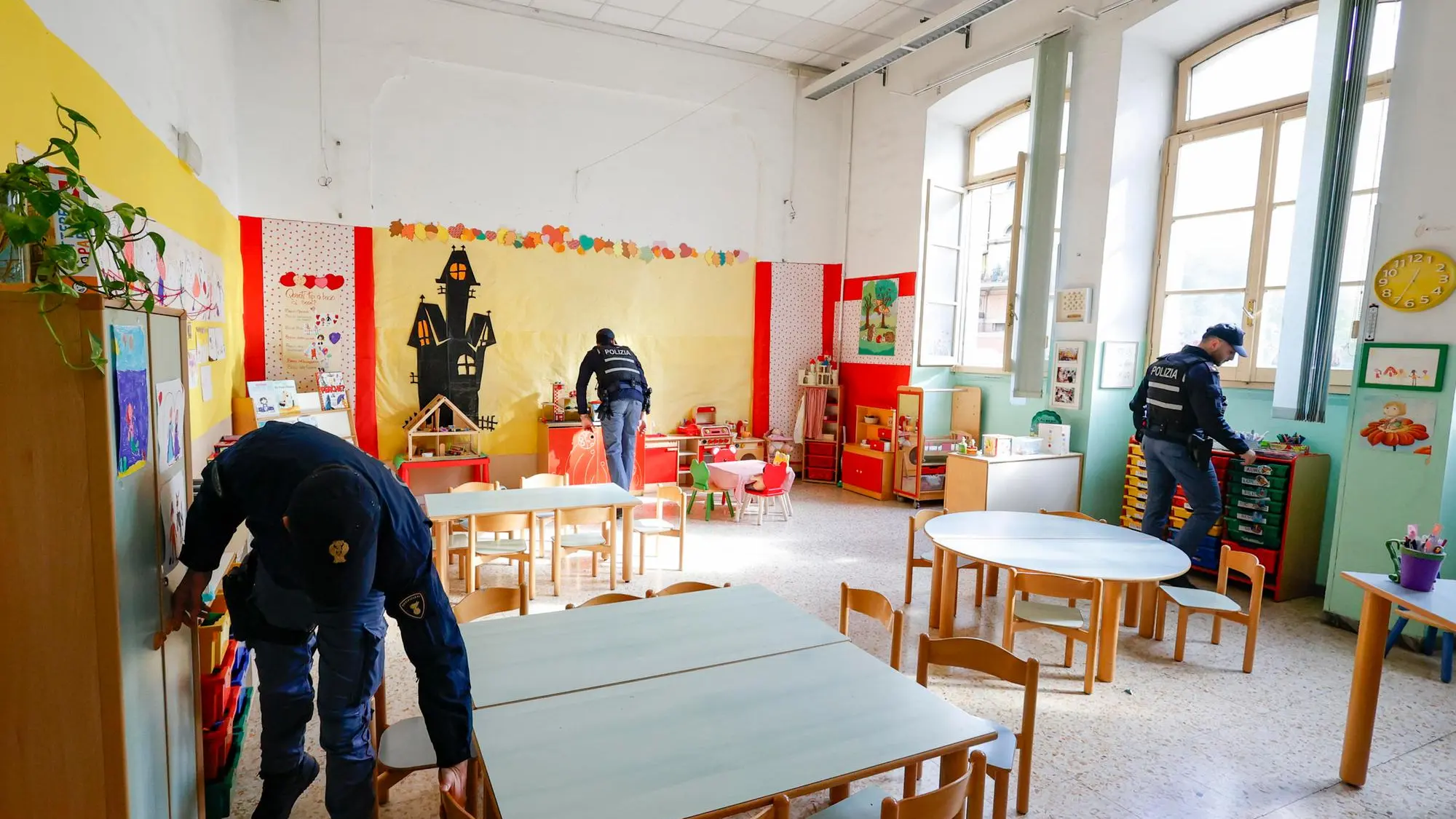
"Bombs at School": New emails to 3,778 schools, only 77 evacuated.
the alarm

"Bombs at School": New emails to 3,778 schools, only 77 evacuated.

Palazzo Chigi: "The instructions to prefects and principals have worked. We're working to prevent unfounded threats from blocking essential services."
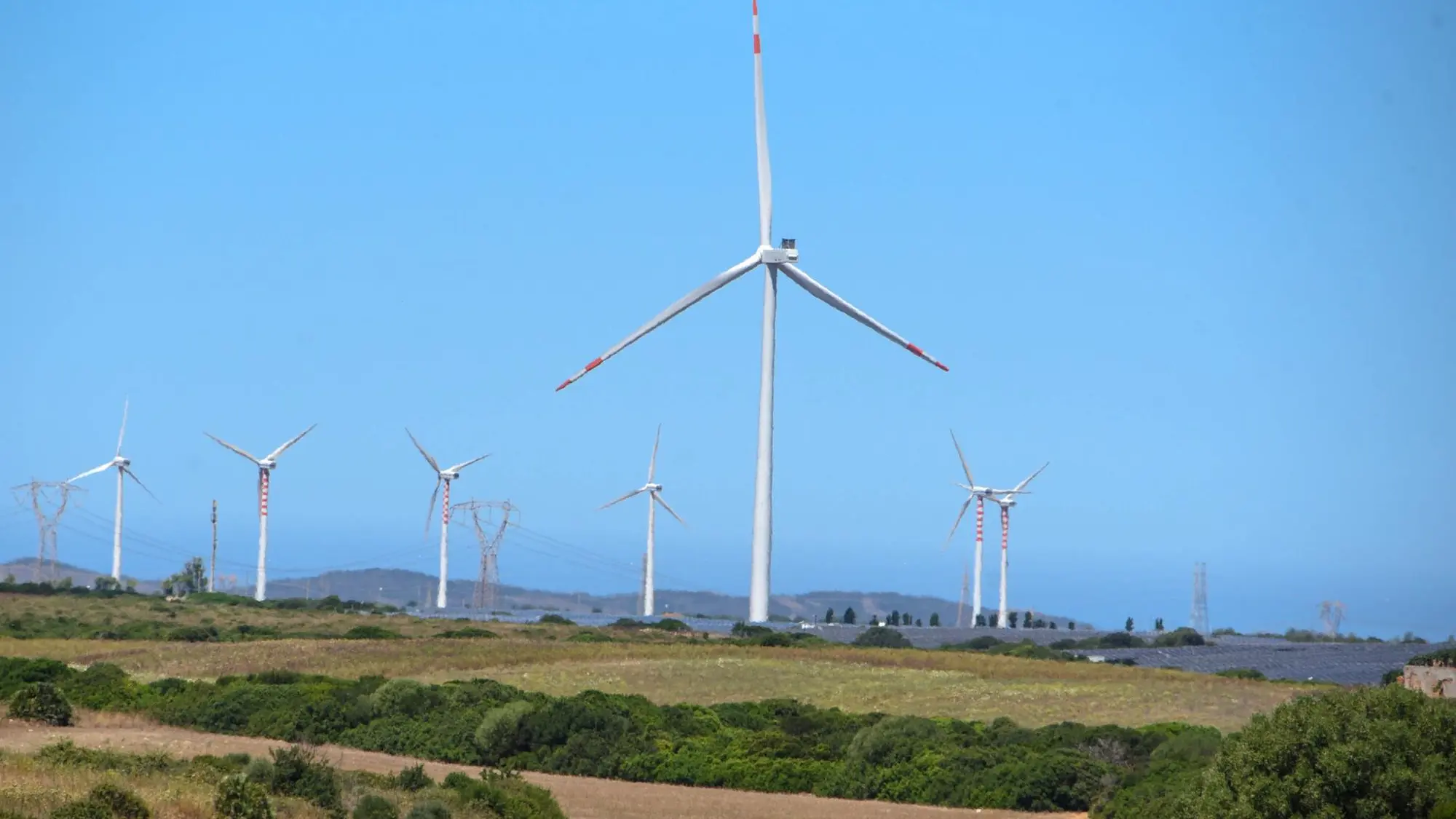
Wind power: The Constitutional Court confirms the state's role in determining suitable areas. But it bans "unauthorized" installations in UNESCO sites.
The sentence

Wind power: The Constitutional Court confirms the state's role in determining suitable areas. But it bans "unauthorized" installations in UNESCO sites.

The Constitutional Court: "Strategic interest in renewable energy cannot always prevail over landscape protection." The case of Su Nuraxi and the Domus de Janas
Diver dies in buoy field: investigation into employer. Rope mystery
Santa Teresa Gallura

Diver dies in buoy field: investigation into employer. Rope mystery

Investigations are ongoing following the death of Sassari native Fabio Farina. The Prosecutor's Office has opened a manslaughter investigation.
Andrea Busia
Microsoft down worldwide: Outlook unreachable, issue being resolved
technology

Microsoft down worldwide: Outlook unreachable, issue being resolved

"Part of the infrastructure is experiencing heavy load in several regions," the company said on its social media profiles.
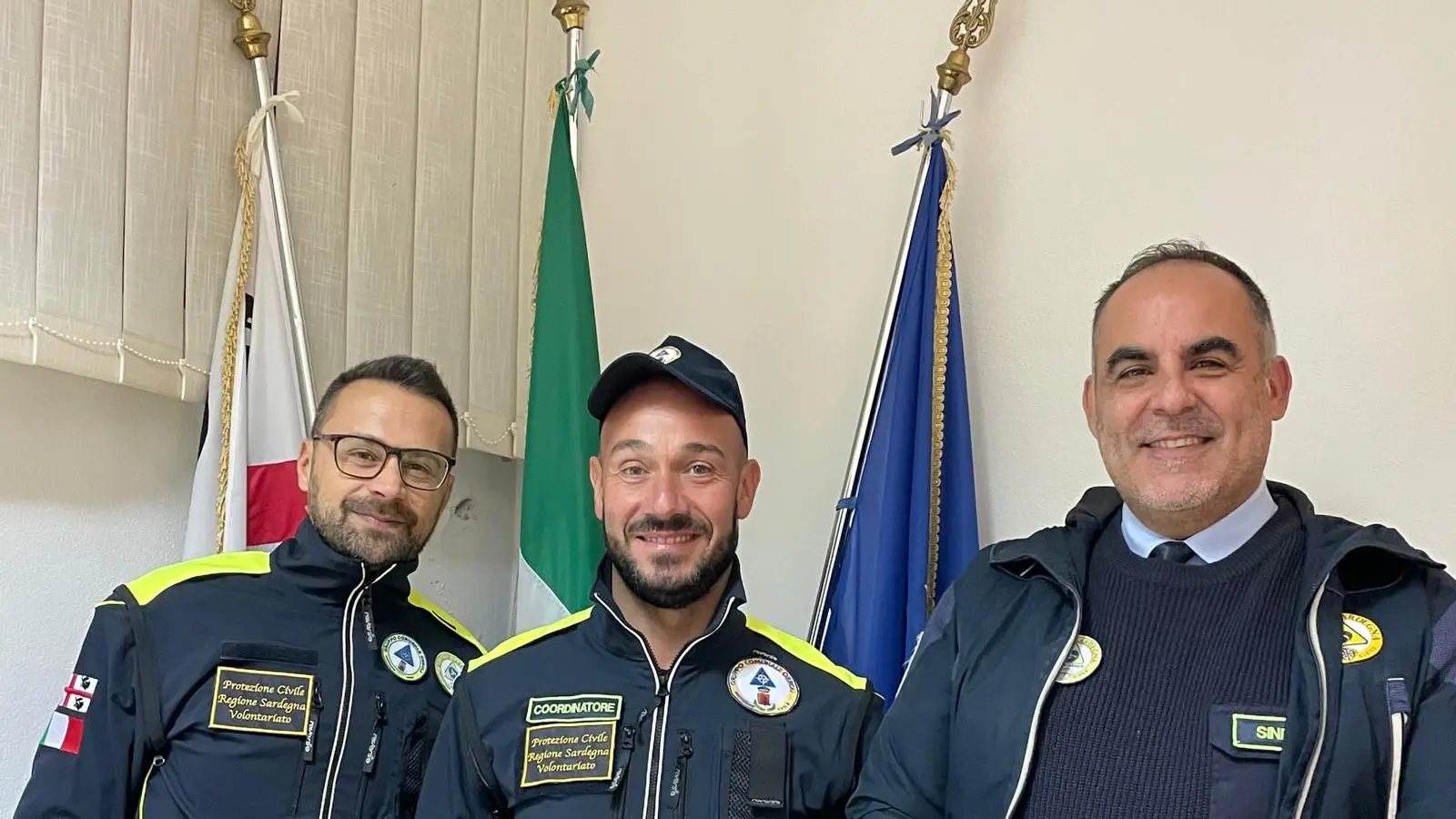
Orroli, the Municipality praises the Civil Protection Department
the ceremony

Orroli, the Municipality praises the Civil Protection Department

Rewarded for efforts to address weather emergencies and fires across the region
Sonia Gioia
Serie D: Striker Nino Pinna Returns to Cos
Soccer

Serie D: Striker Nino Pinna Returns to Cos

Mutual termination of contracts with Cabiddu and Rossi
Antonio Serreli
Alghero pays tribute to Elio Pulli
the appointment

Alghero pays tribute to Elio Pulli

Ninety-two years of art and craftsmanship to be passed on to new generations, an event to remember it at Casa Gioiosa

Rather, and this is the meaning of my speech, I wonder what happened to that " Republic of Autonomies , articulated on different levels of government with constitutionally guaranteed autonomy", given that, apparently, we seem to be still far away, and perhaps this was never the intention of the legislator in 2001, from being able to talk in terms of a total equality between local authorities and between the latter and the State. All the more so when we consider that although the new formulation of Article 117 of the Constitution was conceived with the primary purpose of guaranteeing greater efficiency in the action of public powers through the so-called allocation of functions on the basis of the principle of vertical subsidiarity, however, the 'objective, presented itself right away, and is expected today, in all its practical remoteness since, in fact, it would seem not to allow any derogation from the rigid division of competences and would even seem to "betray" regional competence through the instrumental use the control of reasonableness and proportionality.

Well. There seems to be no doubt that the implementation of the new article 117 of the Constitution has always been complex and questionable, especially in a very delicate area such as that of the division of powers between the State and the Regions. That it is necessary, equally and as a priority, to start a new process of constitutional revision appears today in all its necessity.

In the meantime, because, whatever one may say, the Constitutional Court itself, requested on this point countless times, betrays a certain interpretative-hermeneutic difficulty in finding the meeting point between state law and regional law not so much and not only in matters of concurrent legislation, but also and above all between laws attributed exclusively to the competence of the State and other regional matters. Therefore, because, lacking at the base valid forms of "political-institutional compensation" useful to settle the disputes that arise in advance, one inevitably ends up entrusting the "highest judgment" of the robes, and paradoxically, the same government of the territory by entrusting them in fact a role that would seem to go beyond the specific jurisdictional functions by promoting an “intervention” according to the rule of law that should remain relegated to the status of mere eventuality and residuality.

Finally, because, unfortunately, today it seems to be attributed to the Constitutional Court the task of compensating for the innumerable operational difficulties of the Parliament (completely deprived of its role) to which only the task of identifying the correct line of demarcation of the functions would be attributed. as part of the attribution of competences between the State and the Regions. If this, therefore, is not a political exercise of judicial power, legitimized and permitted by the ruling class itself unable to govern itself, then you tell me what else it is.

The management, so to speak "in a cooperative form", of the division of competences between the two levels of government of the territory cannot become, and unfortunately it seems to have become, the privileged ground of the power of intervention of the Judicial Body since, thus allowing, we end up confirming by conclusive facts a regime of conduct aimed at excluding the legislative power of a regional nature from the effective management of the power that would be proper to it due to the attitude of connatural deference of the Judicial Body itself towards the Roman political decision-maker, justified by the need not to destabilize the desired and guaranteed institutional set-up, even if it is not seen in many cases as, by a state legislator who has become increasingly approximate and incoherent.

Is this what we want? If so, let's not complain about the consequences. If this is the case, let's stop stubborn in wanting to solve from the outside, and paradoxically, the "disservices" connected to the exercise of our autonomic principles only due to the inability expressed by the Local Government even in enforcing its own Specialty.

If it had not been understood, and I doubt it, the Region of Sardinia would seem to continue to want to "float" in the unspoken, but basically rather convenient, conventionalism of hetero-referentiality, effectively allowing Other Powers to exercise the Government of the territory. Let us take back our autonomy or let us abandon it forever.

Giuseppina Di Salvatore - Lawyer, Nuoro