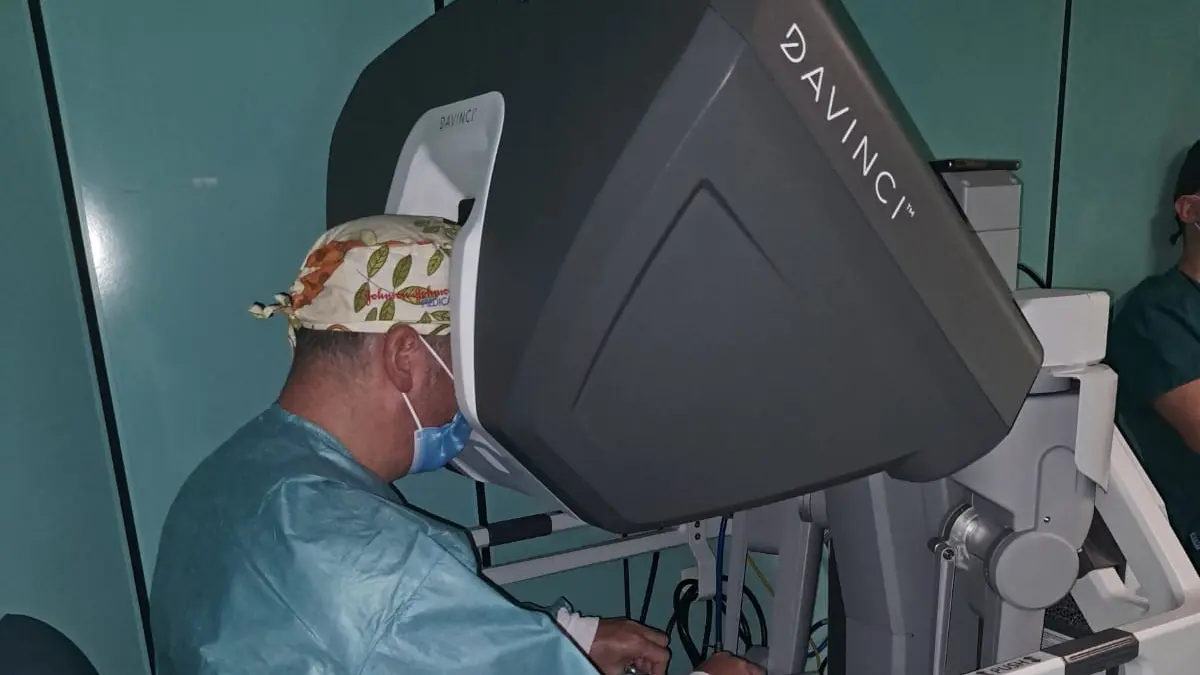


There has been a heated exchange in recent days between Agenas and Italian surgeons. The issue concerns a highly sensitive topic: the use of robotic platforms in the operating room.
"Excluding the robotic platform from as many as 15 out of 21 procedures means ignoring the work done in recent years and running the serious risk of going back twenty years," says the Italian Society of Surgery, which has asked the Ministry of Health to reopen the discussion on the preliminary recommendations for the use of robotic surgery, published in April 2026. According to the scientific society, the document limits the use of the technology in numerous procedures and fails to adequately take into account the most recent evidence and Italian clinical practice. The request was reiterated recently during the Italian Society of Surgery's national congress in Rome.
"The recommendations concern general surgery, gynecology, and urology. Of the 21 procedures evaluated, only six received a favorable recommendation for the use of robotics, and none concerned transplants. For the other procedures, their use is either not recommended or is limited to research," the doctors explain.
"The Agenas recommendations are based on a literature review that hasn't taken into account the most recent studies," says Ludovico Docimo, president of SIC. "The society is also calling for a reevaluation of interventions for obesity and hiatal hernia, as well as procedures involving the liver, pancreas, spleen, and other surgical areas."
In support of the request, the Italian National Institute of Health (SIC) released the results of a study by the Italian Health Network, conducted on 3,798 robotic and 10,488 laparoscopic procedures performed in 2024 at eight hospitals. According to the data reported, the average hospital stay was 5.9 days for robotic procedures, compared to 11.5 days for laparoscopic procedures. The study also reported a reduction in intensive care days of up to 80%, with an average reduction of one day.
From an economic perspective, according to SIC, the analysis highlights that, for the same intervention, the overall costs of the two techniques can be similar and, in some cases, lower with robotics, considering the differences in length of hospital stays, use of intensive care, and operating room staff costs.