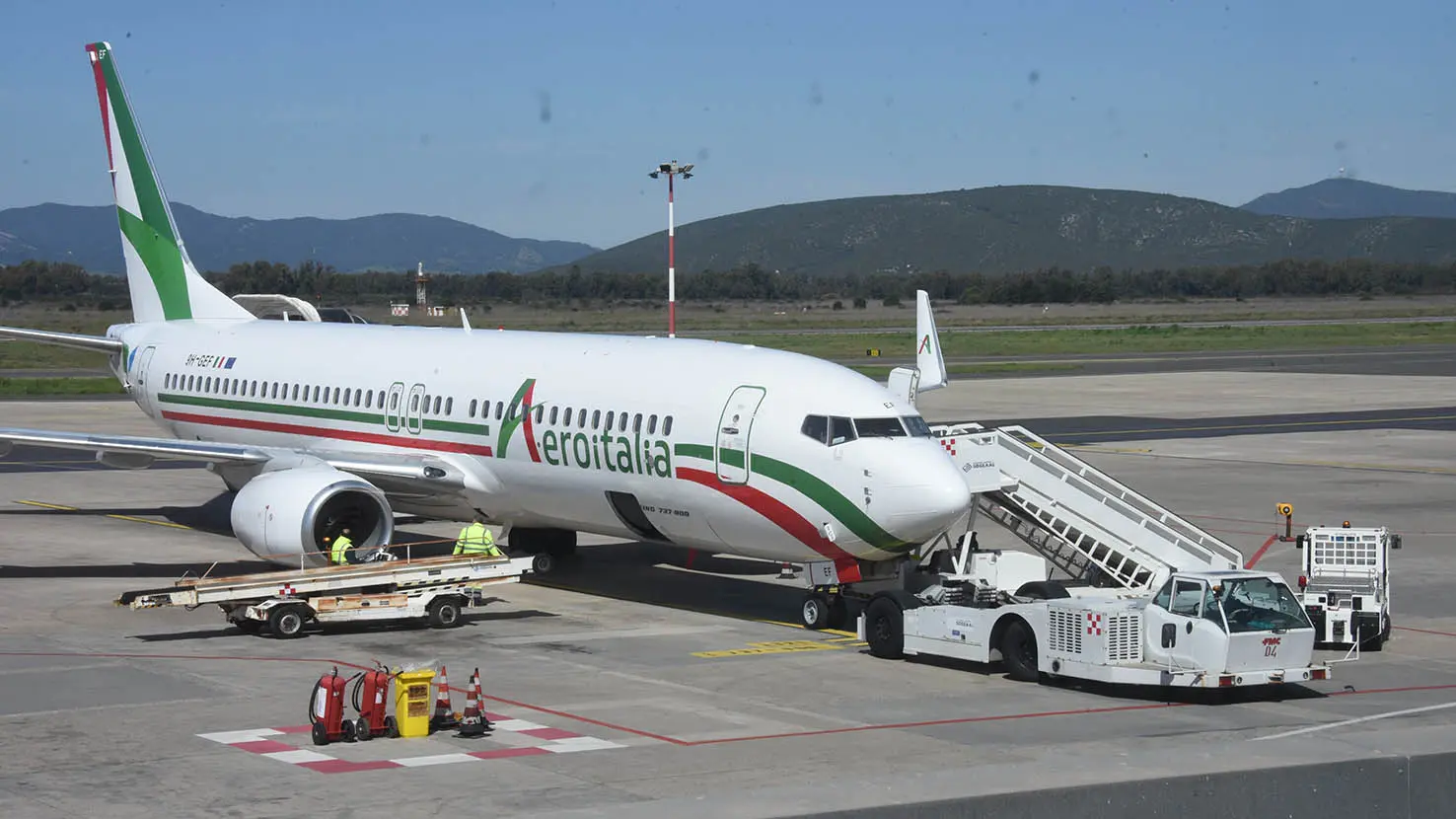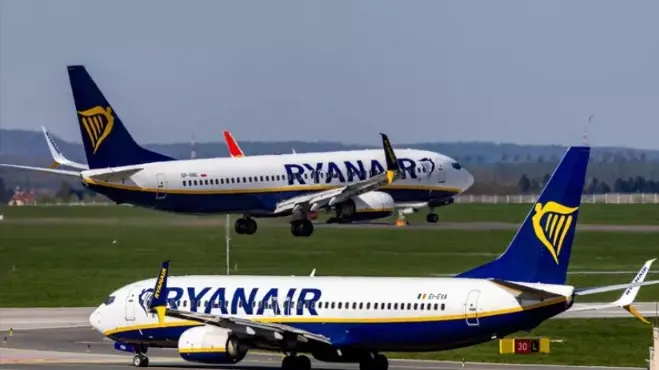


"An unfulfilled promise," thunders Ryanair, threatening to cut flights at the airports of Cagliari, Alghero, and Olbia. "It's the government's and Minister Giorgetti's fault," defends Transport Councilor Barbara Manca, claiming the Region did its part by allocating the resources. "It's a buck-passing scheme," attacks the center-right.
But how did it really happen? Why is the municipal surcharge on boarding fees , that €6.50 per passenger tax that the Region decided to cover during the low season at the instigation of the Irish low-cost airline, still being paid?
Manca is only partially right: it's true that a national measure is needed to suspend the tax, but the Council's amendment arrived almost when time was running out .
It was the eve of Ferragosto when the Regional Council approved, as part of the budget variation, the €18.2 million to cover the boarding tax in place of passengers. It was already October when the Sardinian transport offices asked the Ministry of Economy and Finance for a regulation to suspend the tax on the island . Seeing that nothing had happened, the department's director general intervened: his was the last-ditch effort to include the Sardinian tax cut in the national budget law. On November 16, twenty-four hours before the deadline for amendments to be submitted in the Chamber, Pierandrea Deiana wrote one specifically. Whether it will be declared admissible is unknown.
The National Budget would be the perfect law for implementing the cut, and it's the same channel used by Friuli, Emilia-Romagna, and Sicily, which covered the boarding tax before Sardinia. But they reached the agreement with the Ministry of Economy and Finance before allocating the resources, not after .
Alessandra Carta