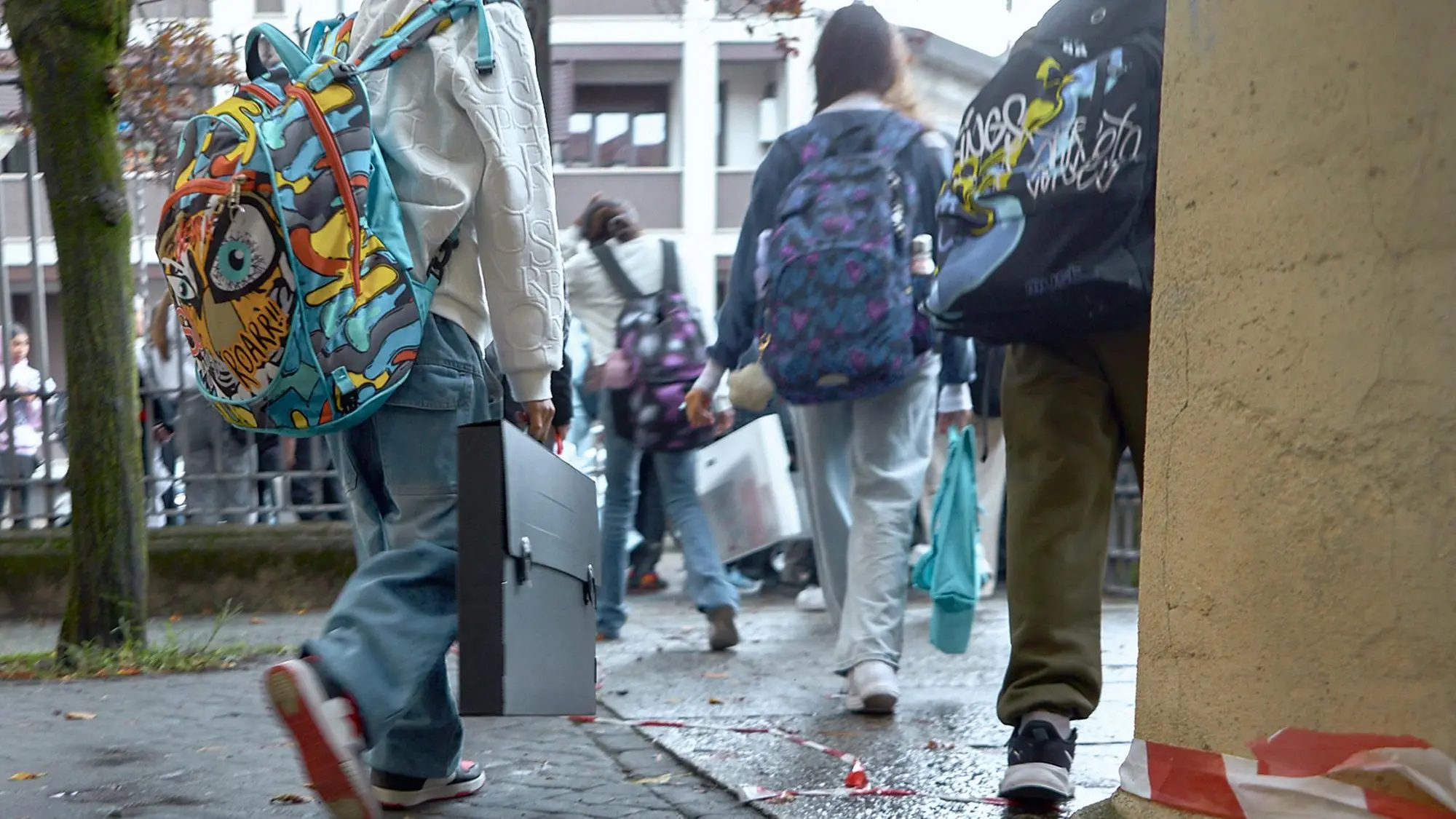


In ten years, 91 schools have disappeared in Sardinia. An average of nine each year. These are the figures for the education crisis, according to Save the Children, which has published the 17th edition of its Atlas of Childhood at Risk in Italy, entitled "Scuola liberatutti."
The island isn't doing well. For various reasons. In Oristano and Southern Sardinia, one in two young people (between the ages of 14 and 19) live in a municipality without a secondary school. Multi-grade classes are on the rise (+53 in Sardinia) and school mergers are on the rise. And the dropout rate among young people stands at 13.6%, the highest in Italy along with Sicily.
In detail, the data do not bode well. Primary school enrollment has dropped by 18.3%: it is estimated that by 2036, there will be a 34.7% decline in the number of children aged 5-9 in the province of Cagliari, down to a 37.6% decline in Nuoro and Southern Sardinia , the highest figures in Italy.
The demographic decline has also led to an increase in the number of multi-grade classes: Sardinia has 114, 3.3% of the total, an increase of 53.
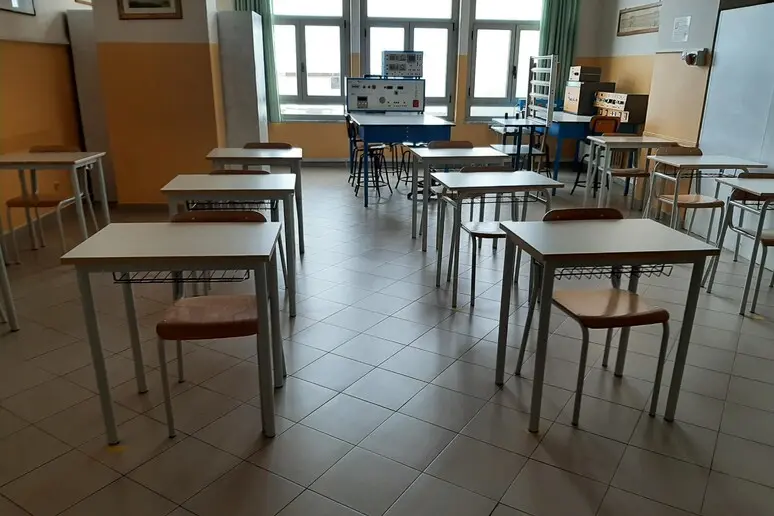
On the other hand, the percentage of full-time primary schools on the island is higher than the national average (42%), particularly in the province of Sassari (51.6%), followed by Nuoro (51.1%). In Sardinia, 78.3% of primary school students attend school lunch in Sassari, followed by Nuoro (55.5%), Cagliari (53.6%), and Oristano (31.2%).
The national average of students with non-Italian citizenship is 11.6%. In Sardinia, however, the percentage is much lower, with the highest percentage being in the province of Sassari (5.2%), followed by Cagliari (3.1%), Nuoro (2.3%), and Oristano (1.5%).
On the island, the highest percentage of substitute teachers in primary schools is found in Sassari, at 26.2%. 85.8% of Sardinian school buildings lack a certificate of occupancy. And 53% lack the three essential safety certificates (certificate of occupancy, fire prevention, and heating plant approval).
In 2023-24, 57 out of 100 schools did not have a gym. The percentage of accessible schools varies greatly across provinces: it is higher than the national average only in the provinces of Sassari (46.3%) and Oristano (43.7%), while it remains below the national average in Cagliari (37.5%), South Sardinia (32.7%), and Nuoro (29.4%). The percentage of non-specialized support teachers is highest in Nuoro (41.9%), followed by South Sardinia (33.3%), Sassari (30.2%), Oristano (27.9%), and in line with the national average in Cagliari (22.2%).