Fall 2026: Soft Boots Are Back: Online Sales Rise While Fashion Slows
Per restare aggiornato entra nel nostro canale Whatsapp
In July 2026, online sales in Italy grew by 2.4% in value compared to last year, but the footwear, leather goods, and travel goods sector saw a 2.8% decline. Fall brings a return to soft boots and 2000s-inspired styles, combining comfort with a greater focus on price.
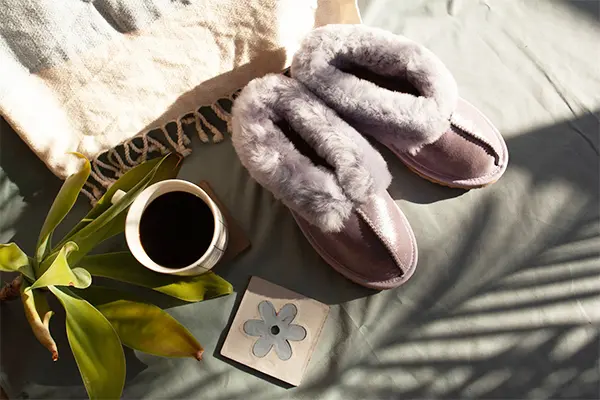
In September, wardrobes change pace, with lightweight jackets, knitwear, and closed-toe shoes making a comeback. Among the items destined to accompany consumers through fall and winter are tall boots and mini versions, easy to pair with jeans and wide-leg pants. Time-limited campaigns featuring women's Uggs and other brands are increasingly frequent, with offers changing periodically, allowing consumers to compare different styles while keeping an eye on price. Fall-Winter 2026-2027 trends bring soft boots, slouchy styles, and sheepskin shoes back to the forefront, while street style increasingly draws inspiration from the early 2000s.
Online continues to grow even though consumption is weaker
The latest Istat data showed that the consumer market continued to slow. In July 2026, retail sales decreased by 0.4% in value and 0.5% in volume compared to June. On an annual basis, however, the overall value increased by 0.8%, while volumes decreased by 0.6%.
E-commerce, however, continues to move in the opposite direction. Compared to July 2025, online sales have grown by 2.4% in value and 1.6% in volume. For the fashion industry, this means that product comparisons, prices, and promotions are increasingly taking place online, even when consumers decide to postpone purchases or limit themselves to just a few items.
2026 is still a difficult year for Italian fashion
According to estimates presented on September 8 by the National Chamber of Italian Fashion, the sector is expected to close 2026 with a turnover of approximately 91.4 billion euros, a 1.6% decrease compared to 2025.
Although there were signs of improvement, exports of core sectors such as textiles, clothing, leather, leather goods, and footwear decreased by 2.3%. Retail sales are also struggling; in July, the category comprising footwear, leather goods, and travel goods recorded the steepest year-on-year decline among non-food goods, at -2.8%.
Boots are once again the protagonists of autumn
Despite slowing consumption, trends continue to influence demand. Vogue Italia listed sheepskin boots among the key styles for Fall/Winter 2026-2027, alongside fitted versions and slouchy silhouettes. Furthermore, in September, the return of the UGG Mini to street style was relaunched following a look by Bella Hadid at New York Fashion Week.
The success of these models is primarily due to an increasingly popular combination: comfort and recognizability. Soft footwear is no longer relegated to cold days, but is paired with casual clothing and worn even in the transitional seasons.
Among the simplest combinations for autumn are:
- Straight or slightly flared jeans with soft knitwear
- Wide trousers and short jackets
- Midi skirts with opaque tights and cardigans
- Leggings or technical trousers for more informal looks
The palette remains dominated by natural tones, from camel to dark brown, easy to incorporate into autumn wardrobes.
Discounts and promotions are becoming increasingly important
In a less dynamic market, price inevitably becomes more important. Thanks to all the digital channels, it's easy to monitor price differences, check out promotional campaigns, and wait for the best time to buy.
This is where platforms like Zalando Privé tap into a well-established practice: seeking out well-known brands through limited-time sales and flexible discounts. Availability isn't constant, and campaigns change, so the approach is different from that of a traditional, always-on catalog.
This behavior is also consistent with the trend toward purchasing less today. The 2026 Coop Report found that 65% of respondents consider it important to reduce consumption and combat waste . For fashion, this means that purchases are more thoughtful, focusing on garments and accessories perceived as truly useful or easy to use over multiple seasons.
The change of season is more reasoned and studied
Fall 2026 ushers in two coexisting trends. On one hand, there are highly recognizable trends, such as the return of slouchy boots and 2000s silhouettes; on the other, there's a more careful consumer, who compares prices and spends more time evaluating before purchasing.
E-commerce data shows that digital continues to grow even as some fashion sectors slow down. The result is a less impulsive seasonal change; a completely new wardrobe isn't necessarily necessary; just a few, more carefully chosen purchases are enough. The search for the right balance between trend, comfort, durability, and price is key.