

Beekeeping in Sardinia, a sector struggling due to climate change and limited resources.
Brisi: "Not just an agricultural activity, but a strategic element for the balance of ecosystems, biodiversity, and the entire regional agricultural production system."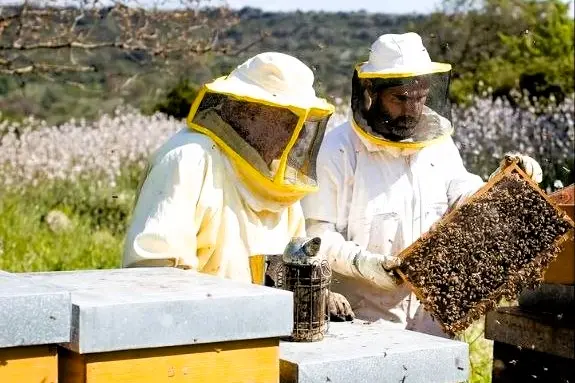
Per restare aggiornato entra nel nostro canale Whatsapp
Climate change, extreme heat, drought, and fires, along with the usual parasites and pesticides, are decimating bees in Sardinia. Approximately 80 million insects were lost last summer alone. This is the great plight of beekeeping on the island, a sector that employs over 200 farmers and has been clamoring for years to be recognized as a strategic sector: "We demand that beekeeping be considered for what it truly is: not just an agricultural activity, but a strategic element for the balance of ecosystems, biodiversity, and the entire regional agricultural production system , through the essential pollination service provided by bees," explains Davide Brisi, president of ApiPro Sardegna, which represents half of Sardinia's professional beekeepers.
The intense heat is becoming a real disaster for bees: the wax in their combs melts, nests are compromised, and entire colonies die. With temperatures of 40 degrees Celsius, bees try to defend their hives, transporting water from the source to their colony, but they die along the way. In addition to honey, bees are the main pollinating insects, ensuring the reproduction of approximately 75% of plant species and contributing to a large portion of global food production. They also participate in ecosystem conservation and production, ensuring biodiversity and agricultural productivity. When a colony dies, "the damage isn't just to the beekeeper, who loses production and income; it also affects the essential agricultural service ," Brisi continues. "Despite the fact that we've been denouncing a situation of growing difficulty for Sardinian beekeeping for years, the resources deployed by the Region still appear completely inadequate."

The Rural Development Program (PSR) 2023-2027, through measure ACA18, earmarked for the beekeeping sector, provides a total allocation of €2 million over five years. This measure has not yet been implemented. Of the total allocation, the Region's actual share is approximately 17%, €340,000 over the entire five-year period, corresponding to approximately €68,000 per year. "This figure appears difficult to measure given the strategic dimension of the sector and the severity of the challenges beekeepers are facing: production crises, climate change, extreme events, loss of blooms, fires, the spread of parasites and predators, rising production costs, and growing pressure from cheap imported honey," adds the president.

Beekeepers are calling for a strategic plan to improve the sector: "The time has come for institutions to recognize this reality. Multi-pronged strategies and a multi-year management plan are needed, as well as adequate financial resources."
Regional Hearing: "We had an initial hearing in the regional commission last July with Councilor Francesco Agus, to whom we presented our considerations and proposals for overcoming the structural crisis. We are awaiting responses, and therefore, to be called for a second meeting. We are asking the Region to expedite the implementation of Regional Law 19 of 2015 and to finally equip the sector with adequate tools for the new climate situation."
We need "a permanent fund for disasters affecting beekeeping, capable of rapid response in the event of extreme weather events, bee mortality, and production losses. We also need to recognize and reward the ecosystem service of pollination. If bees provide an essential public good to the community, this service must also be financially recognized, with a dedicated fund." A reforestation plan is therefore needed: "The Region must initiate a plan for reforestation and the restoration of honey production, prioritizing species of interest to bees." The Vespa velutina threat: "We need to strengthen the regional monitoring system, invest in training operators, and equip the relevant bodies with appropriate technical equipment to deal with the Vespa velutina."
Finally, "we believe it's necessary to initiate a political and institutional debate: because if beekeeping is truly a strategic sector for Sardinia's agriculture and environment, then the resources allocated to supporting it must be consistent with the value it's verbally recognized."