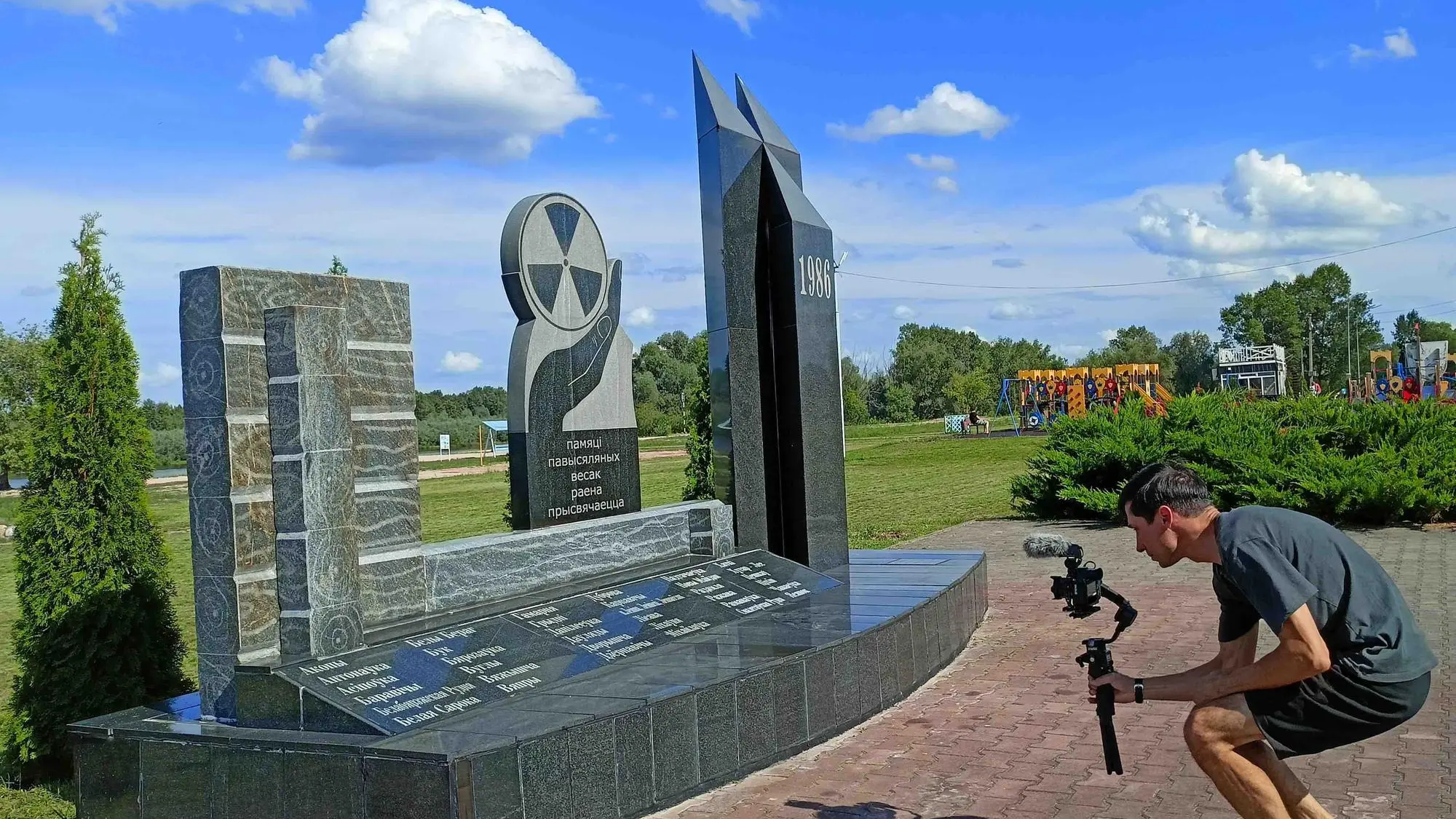


It was April 26, 1986 , 38 years ago exactly, when the most serious nuclear accident in the history of humanity broke out in Chernobyl , with a number of victims that is still difficult to determine today due to the long-term effects of radiation and the difficulty in accurately tracking the illnesses and deaths associated with the accident.
A UN estimate speaks of 4,000 victims , but many experts speak of a substantial underestimate.
In the areas of radioactive contamination there were 3,678 inhabited settlements, with a population of 2.2 million people; as many as 479 of these settlements, mostly small villages, have ceased to exist.
137,700 people were evacuated from the areas affected by the Chernobyl catastrophe , but at the same time as the evacuation and organized resettlement it is estimated that around 200,000 people left the contaminated areas independently. Even today, almost forty years later, the exclusion zone around the nuclear power plant, in which it is no longer possible to live, is almost 3000 square kilometers.
And if Chernobyl was destruction, death and anguish, it was also the beginning of a broad solidarity movement aimed at temporarily hosting children from contaminated areas so as to encourage an exchange of air that would allow them to drastically reduce the absorption of radioactivity in the body, thanks to permanence in an uncontaminated environment and a diet free of radionuclides.
From the early 90s until 2020, Italy, doing more than all the other countries put together, welcomed around 600,000 Belarusian children and over 100,000 Ukrainian children, as part of the so-called "Chernobyl Projects", welcoming alone over 60 % of all children hosted abroad.
A page of concrete solidarity that arrives on the big screen in the docufilm " The Storks of Chernobyl " (Italy, 2024, 69') directed by the Cagliari director Karim Galici in a production of Citizens of the World Cinema for Social with the support of the Sardinia Foundation and with the collaboration of RAI TECHE.