

«In 2025, Sardinia's agri-food exports reached 273.3 million euros , with a growth of 1% compared to 2024. In the same period , imports rose to 559.7 million euros, recording an increase of 27.2% . » Exports are growing slowly despite great potential.
The data comes from the Crea Report on foreign trade in agri-food products, presented in Rome at the American Studies Center.
Alessio Tola , director of the Research Centre for Policies and Bioeconomy of Crea (Council for Agricultural Research and Analysis of the Agricultural Economy) and professor at the University of Sassari, recalled some elements that emerge from the results concerning Sardinia and which can contribute to interpreting the prospects of the regional agri-food sector on international markets.
The regional figure fits into a particularly dynamic national picture: in 2025, Italian agri-food exports reached a record value of 72.027 billion euros, growing by 5.6%.
" Sardinia ," Tola emphasizes, "represents approximately 0.4% of national agri-food exports and ranks 18th among Italian regions . This share is still modest compared to the size and fame of the island's agri-food heritage."
A regional comparison helps understand the scale of the phenomenon. The main exporting regions—Lombardy, Emilia-Romagna, and Veneto—each exceed €10 billion in agri-food exports. Even in Southern Italy, there are regions with significantly higher values than the island: Puglia, for example, nearly €3 billion.
"The comparison," adds Alessio Tola, "naturally doesn't imply the possibility of replicating profoundly different production models in Sardinia. Rather, it indicates the existence of significant scope for increasing the island's ability to transform the quality and reputation of its products into export value."
Identity products
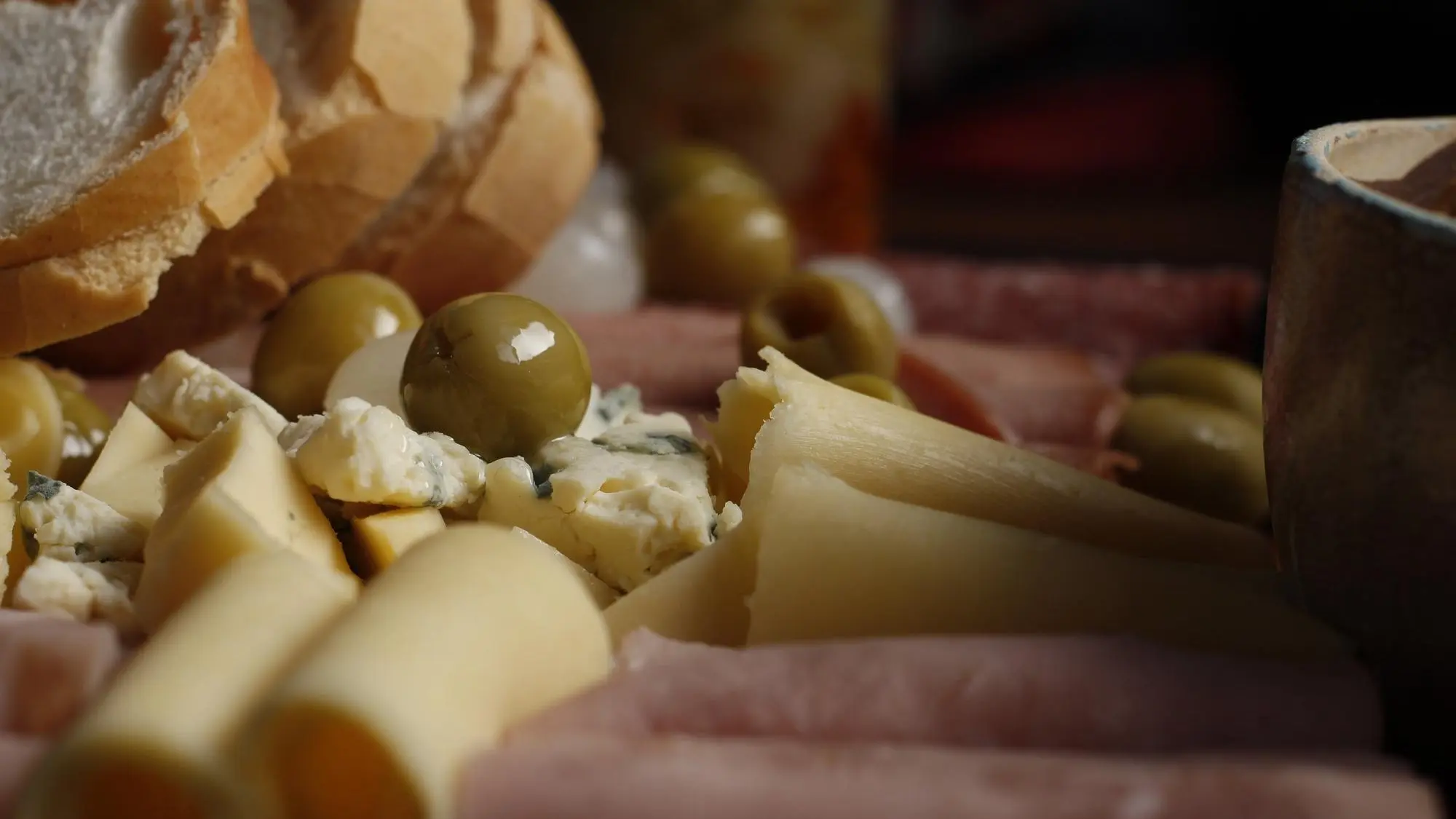
One of the most significant factors concerns the composition of exports. . Almost one euro in two of Sardinian agri-food exports is therefore attributable to products closely tied to the island's identity and tradition. "This data," explains the University of Sassari professor, "confirms the At the same time, it highlights a strong concentration of regional exports and therefore the opportunity to expand the international presence of other Sardinian products."