

On December 7, 1941, Japanese forces attacked the American military base at Pearl Harbor in Hawaii. A historical date, reported in all school textbooks. A date that marks the entry of the United States into the Second World War and the expansion of the conflict to the Pacific Ocean area.
Less well known is the fact that on that same day the Imperial Japanese Army launched a major military operation to take control of British and Dutch possessions in Southeast Asia. Indonesia, the island of Sumatra and Borneo were attacked by fighter squadrons and the Japanese navy did the rest by sinking ships and blockading ports. Then tens of thousands of soldiers from the Land of the Rising Sun landed, veterans who had distinguished themselves in efficiency and ferocity during the invasion of China in the late 1930s.
The military and civil colonial authorities - both British and Dutch - were taken by surprise by the invasion and overwhelmed by the Japanese war machine. Thousands of people died, even more prisoners and people forced to flee. After a brief resistance, one of the most precious pearls of the British Empire fell: Singapore, the "celestial fortress", defended by its gigantic cannons. It was Britain's greatest defeat in its overseas dominions, Winston Churchill admitted.
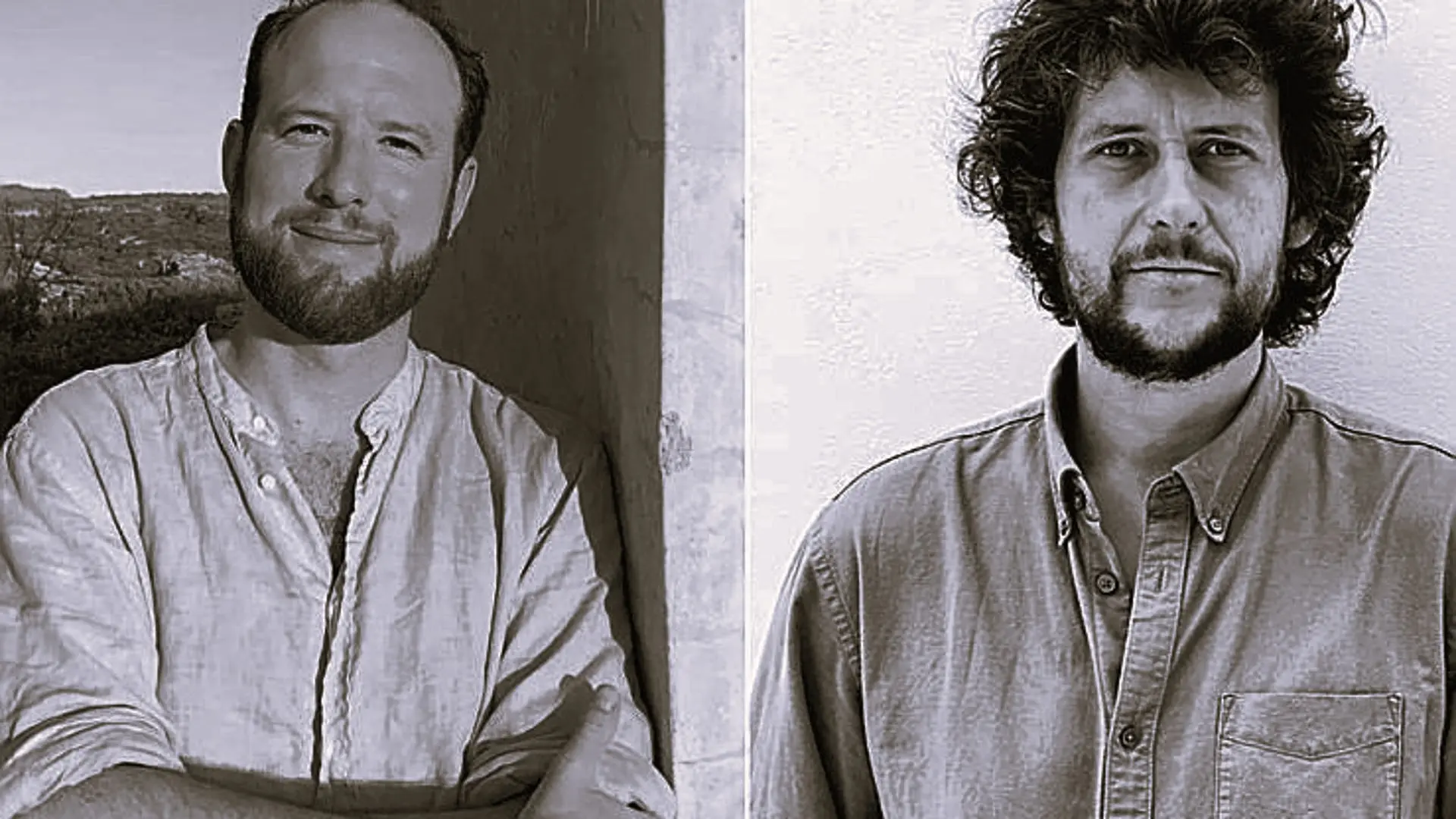
Giovanni Fantoni Modena and Gianni Dubbini Venier reconstruct those dramatic days in their “Escape from the celestial fortress” (Neri Pozza Editore, 2024, euro 19, pp. 224. Also Ebook) retracing the odyssey of one of the many British soldiers stationed in Singapore , Charles McCormac, RAF officer. Charles saw his life turned upside down in a matter of hours. He was perfectly integrated into the colonial world, spoke Malay and had married Pat, the great-granddaughter of a Borneo tribal chief. He was expecting his first child and while he and his wife looked at the images of London bombed by the Germans broadcast on the newsreels he had always thought: the war will never come here. Only a few weeks later Charles found himself in the hands of the Kempeitai, the Japanese equivalent of the Gestapo. He was subjected to brutal interrogations and his fate seemed to be that of dying in Singapore, if it had not been for the meeting with an extraordinary character: Donaldson, a gruff Australian who did not know fear and the meaning of the word surrender.