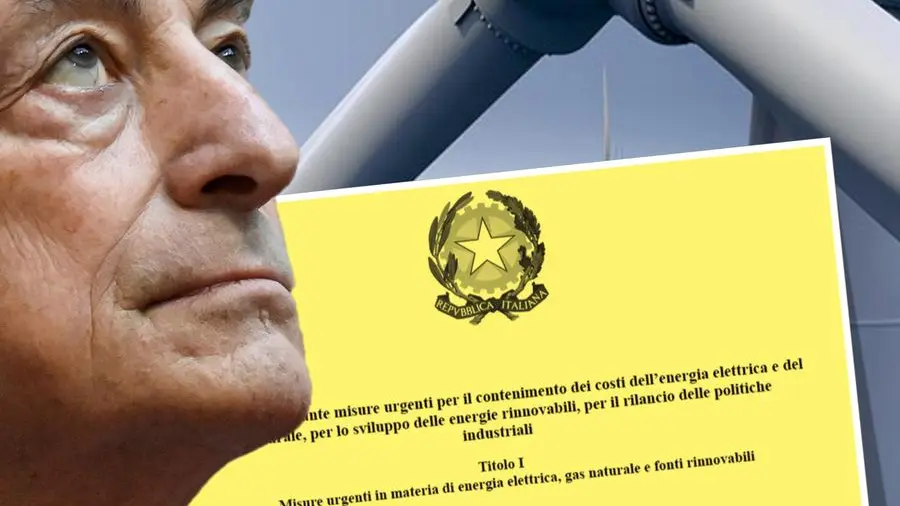


They are the modern mysteries of gas warfare. Putin invades Ukraine with missiles and mortars, the Americans, in the same hours, occupy the Gulf of Cagliari without resistance, that of the Angels to be clear. They do it in their own way, to the sound of wind turbines and law decrees. If there was no declared lack of communication, one could think of an agreed and checkerboard operation: the Tsar occupies the gas market in the West forever, the Americans respond with their hands on the wind of Sardinia. The concomitance is unprecedented. Three moves in one go. War in Ukraine, decree to liberalize the wind invasion in the Sardinian sea, landing of the Americans in the company that wants to plant 93 wind turbines in the Gulf of Angels and in the sea of the Costa Smeralda. The first move on the chessboard was made by the Italian government. It is February 18 last. Mario Draghi, the banker of Europe on loan to Palazzo Chigi, does not think twice: under the pressure of allies and citizens, he inscribes the “Bill Decree” on the executive's agenda.
The excuse of war
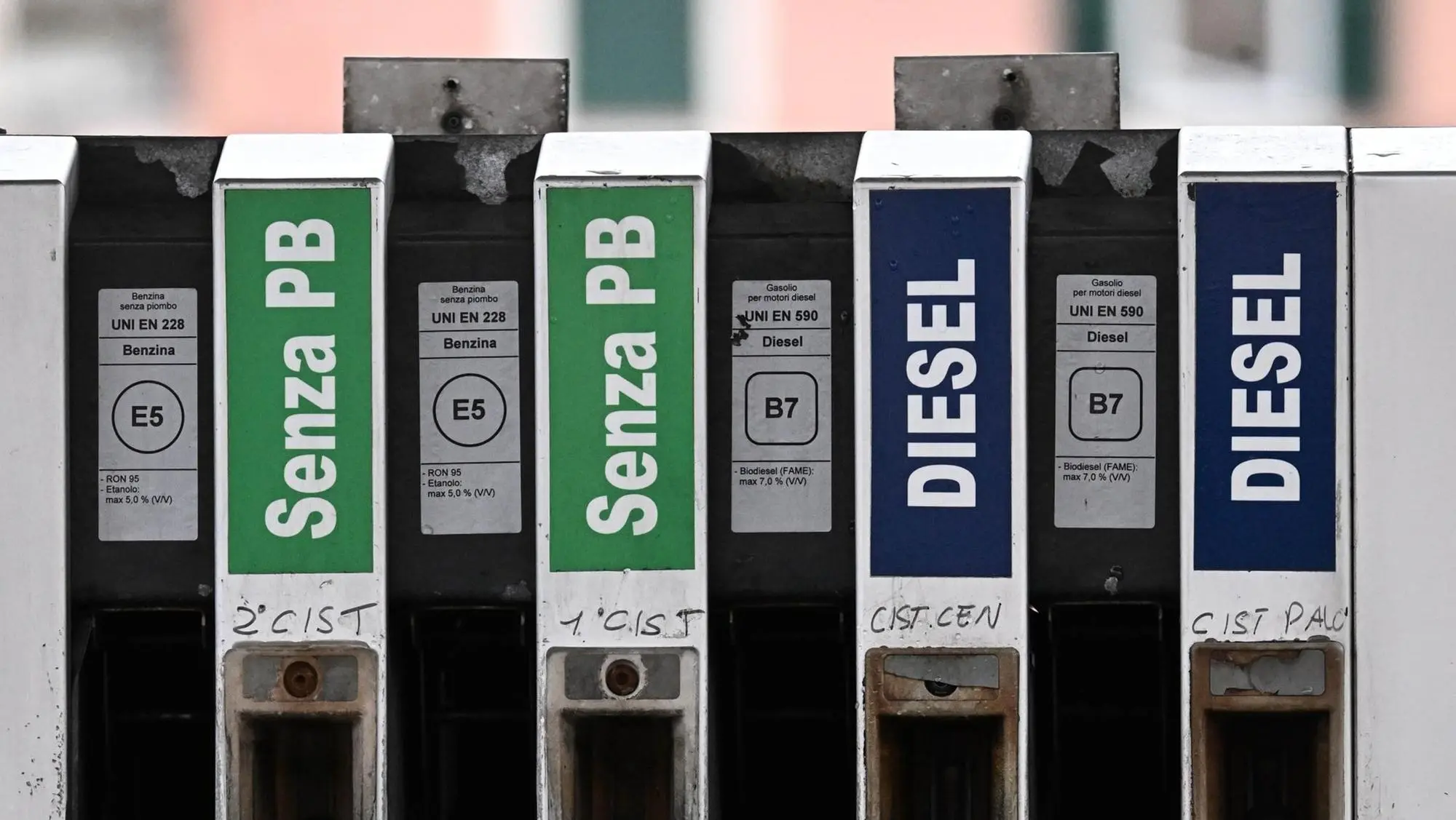
The energy crisis, daughter of the pre-tension between Russia and the West, is putting the economies of Europe under siege. Italy is the one that pays the most, first the tensions and now the war between Russia and Ukraine. The Bel Paese makes no secret: it is closely linked to Russian gas, using more than 40% of its consumption. The government's goal is clear: to activate a mega game of rounds to reduce system costs and theoretically make the cost of energy less expensive. A sort of "right hand that receives from the left" and vice versa, where, however, it is always the citizens who pay. The policy is that of facade discounts: first a disproportionate increase is generated and then the balances are announced. With one substantial difference: in both cases they always pay them, the end users. With a hypothetical 100% increase in energy costs, the State promotes itself as benefactor, paying a part of it. Too bad, however, that citizens, through public debt, in the end, end up paying, both directly and indirectly, the entire increase.
Pro-aeolian decree at sea