














LEGGI IL QUOTIDIANO
LEGGI IL QUOTIDIANOOggi 11 novembre
L'Unione Sarda.it
Abbonati
ITA|ENG|DEU|RUS|CIN
videolina Linkradiolina linkSardegna 1 linkVai online linkPBM link
Temi caldi di oggi:
Allarmi bombaMigrantiTentato omicidioSos Sardegna
Leggi il quotidiano
L'Unione Sarda.it
Abbonati
L'Unione Sarda

Iniziative Editoriali

  • Biblioteca dell'identità

Account

  • Gestisci il tuo abbonamento
  • Sfoglia il quotidiano
ABBONATI A L’UNIONE SARDA

SCARICA L'APP L'UNIONE DIGITAL

Download GoogleDownload apple
videolina Linkradiolina linkVai online linkPBM link

2021 L'Unione Sarda S.p.A. Tutti i diritti riservati. É vietata la riproduzione, anche parziale e con qualsiasi mezzo, di tutti i materiali del sito. | Indirizzo della Sede Legale: Piazzetta L'Unione Sarda nr. 24 | Capitale sociale 11.400.000,00 i.v. | Codice Fiscale ed iscrizione presso l'Ufficio Registro Imprese di Cagliari 01687830925 (P.I. 02544190925) | REA: CA-136248

Cookie e Privacy PolicyModifica impostazioni privacyInformativa commentiCorporate
L'Unione Sarda

News

  • Cronaca Sardegna
  • Economia
  • Salute
  • Cultura
  • Sport
  • Gossip
  • Turismo

Servizi

  • Necrologi
  • Annunci
  • Pubblicità

Bella Sardegna

  • Spiagge

Iniziative Editoriali

  • Biblioteca dell'identità

Account

  • Gestisci il tuo abbonamento
  • Sfoglia il quotidiano
ABBONATI A L’UNIONE SARDA

SCARICA L'APP L'UNIONE DIGITAL

Download GoogleDownload apple
videolina Linkradiolina linkVai online linkPBM link

2021 L'Unione Sarda S.p.A. Tutti i diritti riservati. É vietata la riproduzione, anche parziale e con qualsiasi mezzo, di tutti i materiali del sito. | Indirizzo della Sede Legale: Piazzetta L'Unione Sarda nr. 24 | Capitale sociale 11.400.000,00 i.v. | Codice Fiscale ed iscrizione presso l'Ufficio Registro Imprese di Cagliari 01687830925 (P.I. 02544190925) | REA: CA-136248

Cookie e Privacy PolicyModifica impostazioni privacyInformativa commentiCorporate
Home
to know more

When traveling people make history

Anthony Sattin and his book “Nomads”
Roberto Roveda
22 ottobre 2023 alle 10:00
When traveling people make history
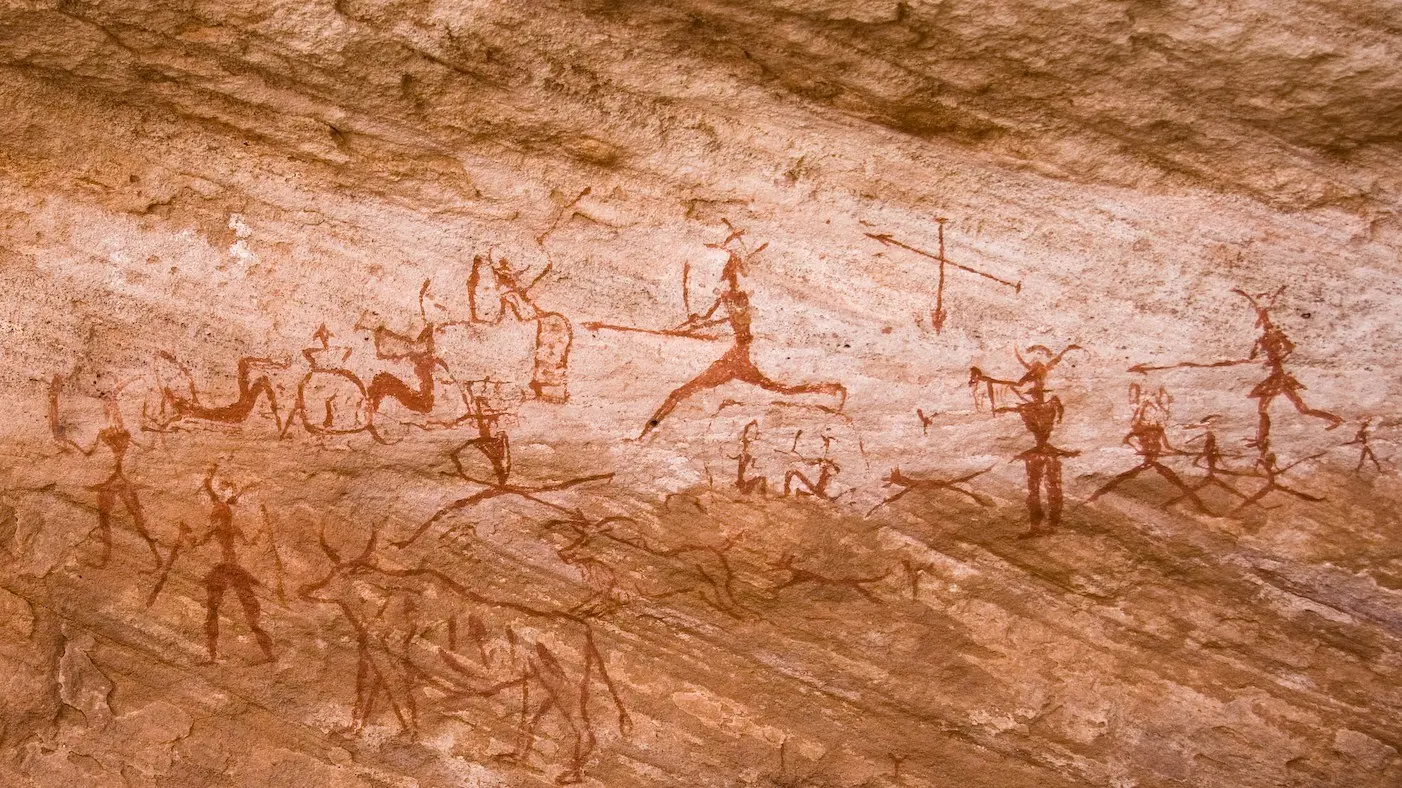
Pitture rupestri in Libia
Resta informato su WhatsApp
FacebookXLinkedInWhatsApp
Argomenti similiSLOT_11
  • Russi e russanti
    Caffè Scorretto

    Russi e russanti

    Luigi Almiento

Articoli correlati

Bomb scare, schools aren't closing. Meloni: "They want to scare us, not hit us. We'll react."
the emergency

Bomb scare, schools aren't closing. Meloni: "They want to scare us, not hit us. We'll react."

The prime minister called on the opposition and reassured them in a video on social media: "Nothing was found in the institutions. Those who send these threats want a nation that is terrified and fea…
Majority summit: "Forward with the statute, but no changes to the electoral law."
region

Majority summit: "Forward with the statute, but no changes to the electoral law."

The draft is ready and at the next session the special commission will begin examining all the articles.
Roberto Murgia
Grillo's appeal, the defense: "Evidence in our favor was ignored or undervalued, the trial must be retried."
Sassari

Grillo's appeal, the defense: "Evidence in our favor was ignored or undervalued, the trial must be retried."

In the grounds of appeal, a flurry of objections raised by the lawyers to the regularity of the conviction sentence of the Tempio Tribunal
Andrea Busia
Girasole: Mosquitoes test positive for the Usutu virus: Mayor's order comes into effect.
the alarm

Girasole: Mosquitoes test positive for the Usutu virus: Mayor's order comes into effect.

The verdict from the Teramo zooprophylactic institute is the first case in the municipality.
Roberto Secci
The eighteenth edition of the Carbonia Film Festival kicks off
cinema

The eighteenth edition of the Carbonia Film Festival kicks off

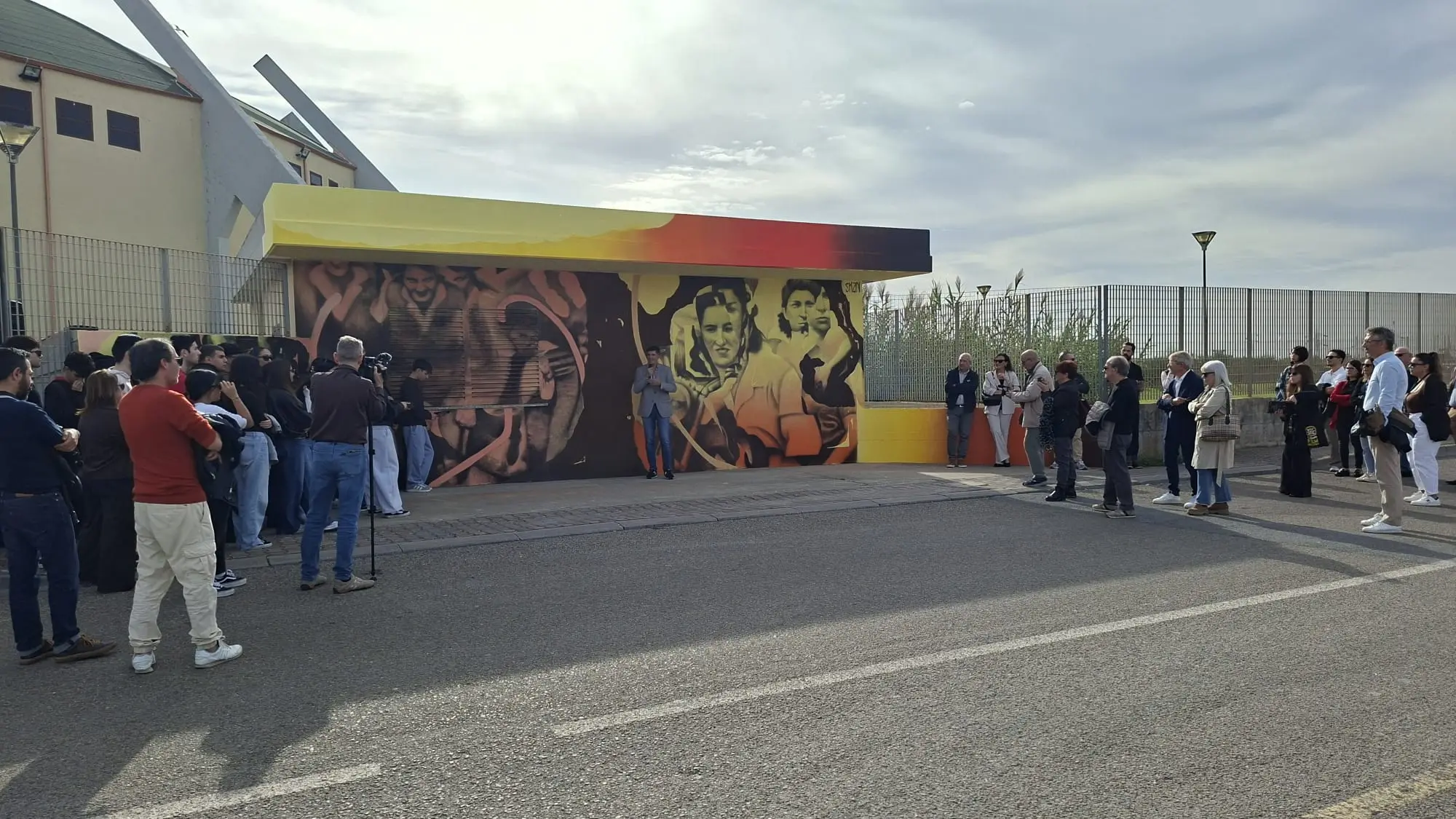
This morning, the Skan mural was unveiled at the ticket office, and the festival officially opens this afternoon. The event will get into full swing in the coming days.
MARCO CORRIAS
Salerno, a new adventure in the Eccellenza league: he will coach the Tortolì women's team.
soccer

Salerno, a new adventure in the Eccellenza league: he will coach the Tortolì women's team.

The 42-year-old coach returns to the bench, in a completely different context than those he has faced so far
Roberto Secci
Kimi Antonelli with his tricolor hair, Mercedes: "No words."
the champion

Kimi Antonelli with his tricolor hair, Mercedes: "No words."

In the video posted by the team, Kimi arrives at the headquarters, Wolff is incredulous: "Did you even pay?"
Costa Smeralda, the "emery gang" and thefts from dream villas: crimes prescribed after 16 years
Olbia

Costa Smeralda, the "emery gang" and thefts from dream villas: crimes prescribed after 16 years

In 2010, raids took place in Porto Cervo and Olbia, with the villa of an undersecretary of Labour and the residence of a Roman countess also targeted.
Andrea Busia
Ciro Grillo trial: appeal faces immediate risk of postponement
court

Ciro Grillo trial: appeal faces immediate risk of postponement

The defense: "A judge's signature is missing; the first-instance ruling must be retried."

Human beings have always been on the move. Since the most remote prehistory they have moved alone or in groups to collect roots and wild fruits or to chase prey during hunting. In their wanderings, our most ancient ancestors moved further and further from Africa - according to most scholars, the land of origin of human beings. If Homo erectus, more than a million years ago, had already reached Europe and Asia from his native African continent, it was the family of hominids to which we all belong, that is, Homo sapiens, who reached, with a journey lasting dozens of all continents except Antarctica by thousands of years.

These prehistoric migrations were certainly not the last. In the Neolithic era, humans became breeders and farmers, settling in the first villages and then in the first cities. Many of our ancestors became sedentary, but nomadism did not disappear completely and people stopped migrating in search of more fertile lands or because they were pushed by the arrival of other populations. The events of Mesopotamia were all a succession of migrations of populations who tried to settle in the fertile land between the two rivers, the Tigris and the Euphrates.

We could go on for a long time despite the pages of too many essays and history manuals tending to exclude nomads, except for a few references when their wanderings collide with settled societies. The essay by the journalist, historian and traveler Anthony Sattin entitled "Nomadi" (Neri Pozza, 2023, Euro 28, pp. 432. Also Ebook) heals this lack. It is, in fact, the story, hitherto never written, of civilization told through the events of those who seem extraneous to it. Sattin, with a wide-ranging story that resonates with ancient echoes and reverberates today, reminds us that the great stone monuments before the pyramids were built were created precisely by the populations on the move. Furthermore , migrants domesticated the horse, shaped the bow which for millennia was used above all to feed themselves. Even peoples who we usually consider sedentary and who certainly mostly were, like the Greeks, were in reality in constant movement. With the so-called first Greek colonization (starting from the 12th century BC) reached the coasts of Asia Minor and the islands in front. During the second colonization (starting from the 8th century BC) the Greeks spread across a large part of the Mediterranean basin and on the coasts of the Black Sea. Where they landed, they often found colonies founded by another people of travellers, the Phoenicians.

The Romans stabilized the Mediterranean basin for centuries, a people who built an empire based on the sedentary nature of their cultivated fields and urban centers. The Romans, however, had to constantly deal with the nomadic populations who lived in contact with the limes. The desert peoples who lived on the edge of Rome's African provinces were nomadic and constantly on the move. The Celts were nomadic and during the 1st millennium BC they laid waste to the city and in their migrations reached the Iberian Peninsula, present-day France, the British Isles, the Balkans, northern Greece and Asia Minor. Finally, the Roman Empire had to face pressure from the Germanic populations for centuries. What from the point of view of the Romans of the time were the barbarian invasions were real migrations of peoples, moving from central Europe towards the Mediterranean under the pressure of nomads coming from the steppes of Asia, the Huns. Those same Huns who in the first centuries of the 1st millennium AD put pressure on the Chinese Empire and the kingdoms of northern India in the east.

They gave great impetus to poetry and storytelling and were always more sensitive than the settled people to respecting nature. Multicultural by definition, migrants were more tolerant of other people's religions, favored the development of trade and contributed to the cultural flourishing of Eurasia, guiding the path of humanity. From the Neolithic revolution to the 21st century, including the rise and fall of Rome, the great nomadic empires of the Arabs and Mongols, the Mughals and the development of the Silk Road, “Nomads” explores the often turbulent relationships between sedentary and mobile societies and their mutual counterbalance, providing a radically new vision of human civilization. Exploring the evolutionary biology and psychology of the restlessness that makes us human, Anthony Sattin's sweeping history thus redraws the role of nomadism from the Bible to its decline and demonization today.

When traveling people make history
La copertina

© Riproduzione riservata