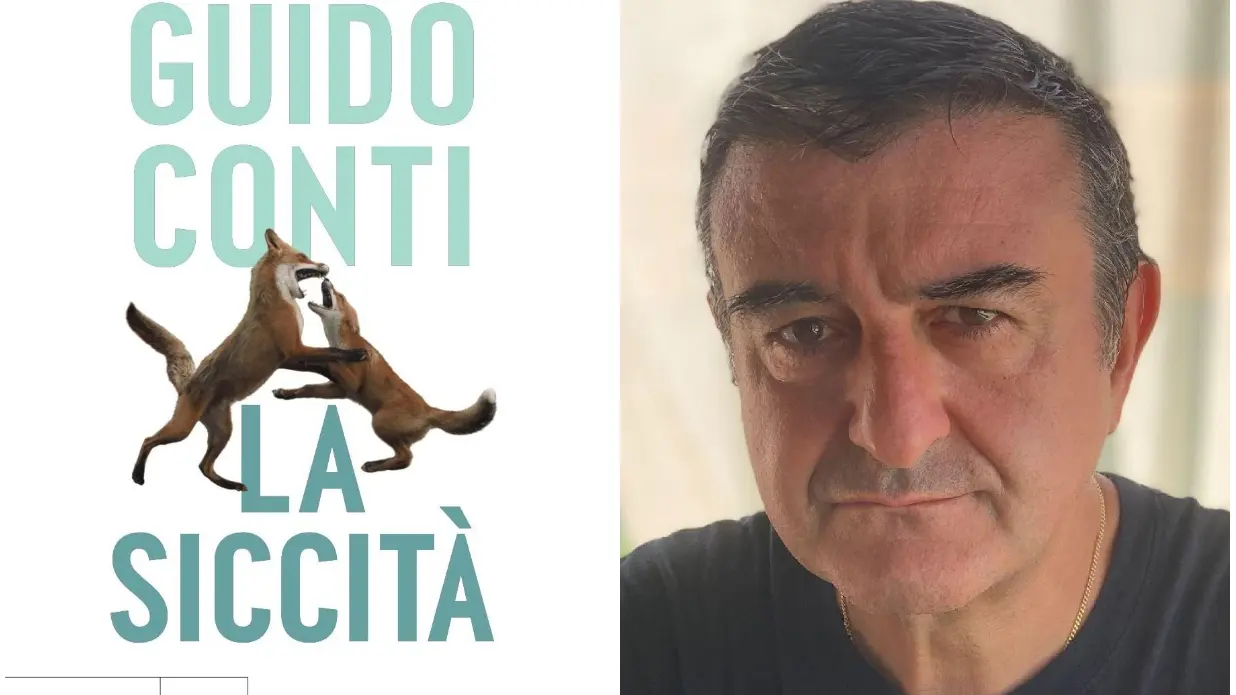


An extreme drought, which has lasted for years and takes away the crops, the work of a lifetime, reason. The rain no longer blesses the crops and the rainfall has become unpredictable and violent. In the small Oltrepò Pavese town where Andrea lives, the life of those who cultivate the land is increasingly difficult, a hailstorm is enough to lose months' work in a few hours. The earth hides its resources deeply and so wild animals also begin to exhibit strange behaviors, they dig where they have never done before, they wander where they were previously absent. Andrea knows that the best thing would be to leave, as many do, even if his roots are in the town; but at the same time he is fascinated by the mysteries of nature and by the archaic ferocity of his father and uncle, poachers who allow him to follow them into the woods at night. Day after day, however, drought takes everything away, in a crescendo of events and omens that intertwine the fate of men with that of animals. So for the protagonist of this novel and for a little fox it will be a summer of growth, pain and loss…
A painful tale of Italy that is and will be, La drought (Bompiani, 2023, Euro 17.00, pp. 192. Also Ebook) is a current and intense novel, capable of evoking the narrative suggestion of life in rural villages and the people who live there and to grasp the epiphanies that each season reserves for those who cross it.
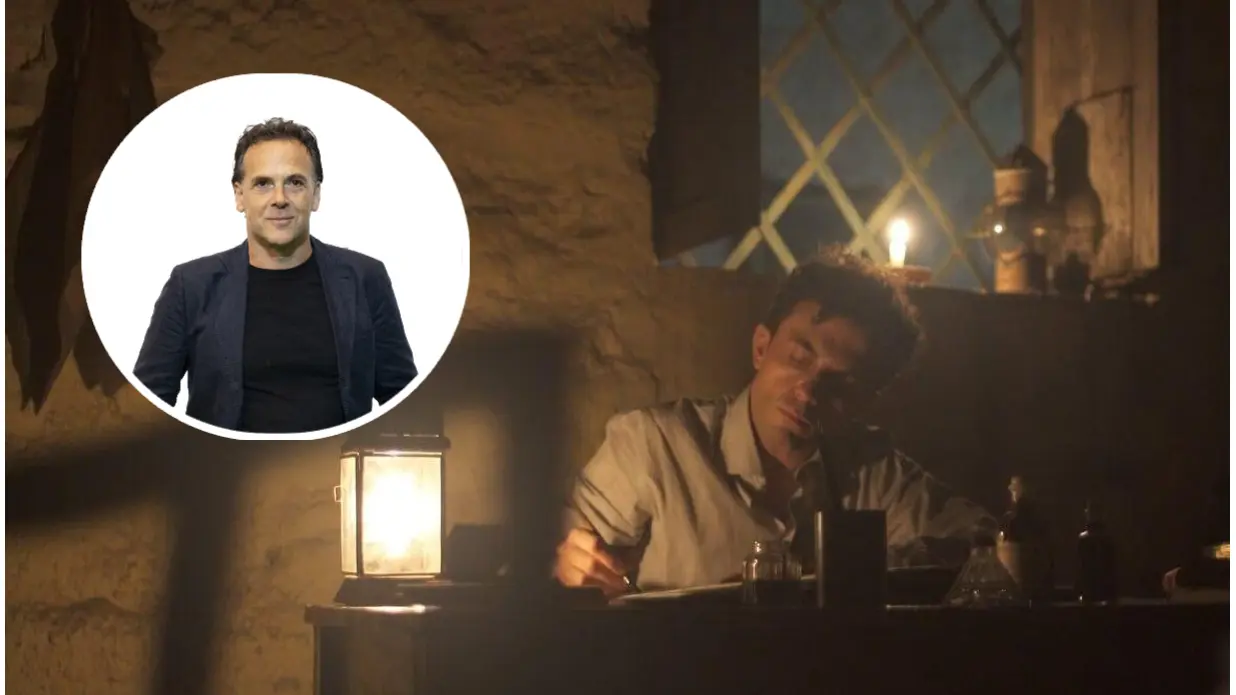
We ask the author, Guido Conti, what does drought represent in his novel? Is it just a natural phenomenon or is it something more?
“Droughts, like floods or floods, which I have written about over the years, are extreme phenomena that confront man with his destiny. Nature is not often a friend, it unleashes violence and its destructive force in an uncontrollable way. In those moments we feel all our impotence and our fragility. We would like to dominate nature and instead, in this continuous struggle, we are often victims. We do not accept that nature dominates us and is beyond our control, as happens with wild animals that enter our cultivated fields or cities. The drought therefore becomes an extreme theater where the characters move around experiencing conflicts”.