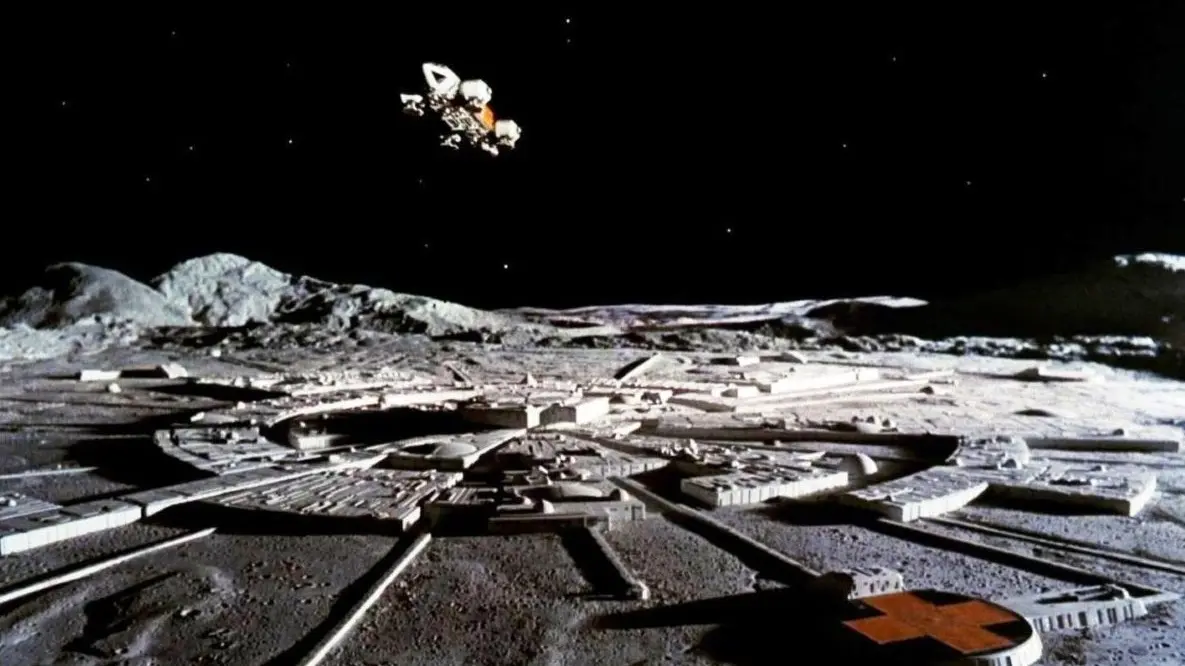


In the 1970s, a science fiction television series – at the time it was still called a telefilm – entitled “Spazio 1999 ” became popular. The series imagined how before the year 2000 human beings had managed to build a base on the Moon, a real lunar town called Alfa, in which to live and from which to depart for explorations of the more distant planets.
Things didn't go as told in that old show – among other things produced by Rai and still available on RaiPlay – and to date there are no human settlements on celestial bodies outside the earth's orbit . This, however, does not mean that there will not be some in the near future. Indeed there are many projects that aim to build a human colony right on the Moon , a colony that should become the starting point for the first journey to Mars . These are projects in an advanced stage of study in the space research centers of the United States, China, the European Space Agency (ESA) even if it is a private entrepreneur, Elon Musk, who aims to burn everyone in time.
In short, living in space is no longer entirely science fiction, even if it is not easy to imagine what it will be like to live outside the orbit of the Earth. However, many answers come to us from the volume “ The cities of the universe ” (il Saggiatore, 2023, pp. 200, also e-book), a book dedicated to explaining to us what shape our lives will have in an extraterrestrial dimension .

Annalisa Dominoni and Benedetto Quaquaro, creators and teachers at the Milan Polytechnic of the first and only Space Design course in the world supported by the European Space Agency, lead us, in fact, into the homes of today's astronauts to project us into those we will inhabit tomorrow on other galaxies: from the International Space Station to the first settlements on the Moon, from space tourism to projects for living on Mars and beyond.