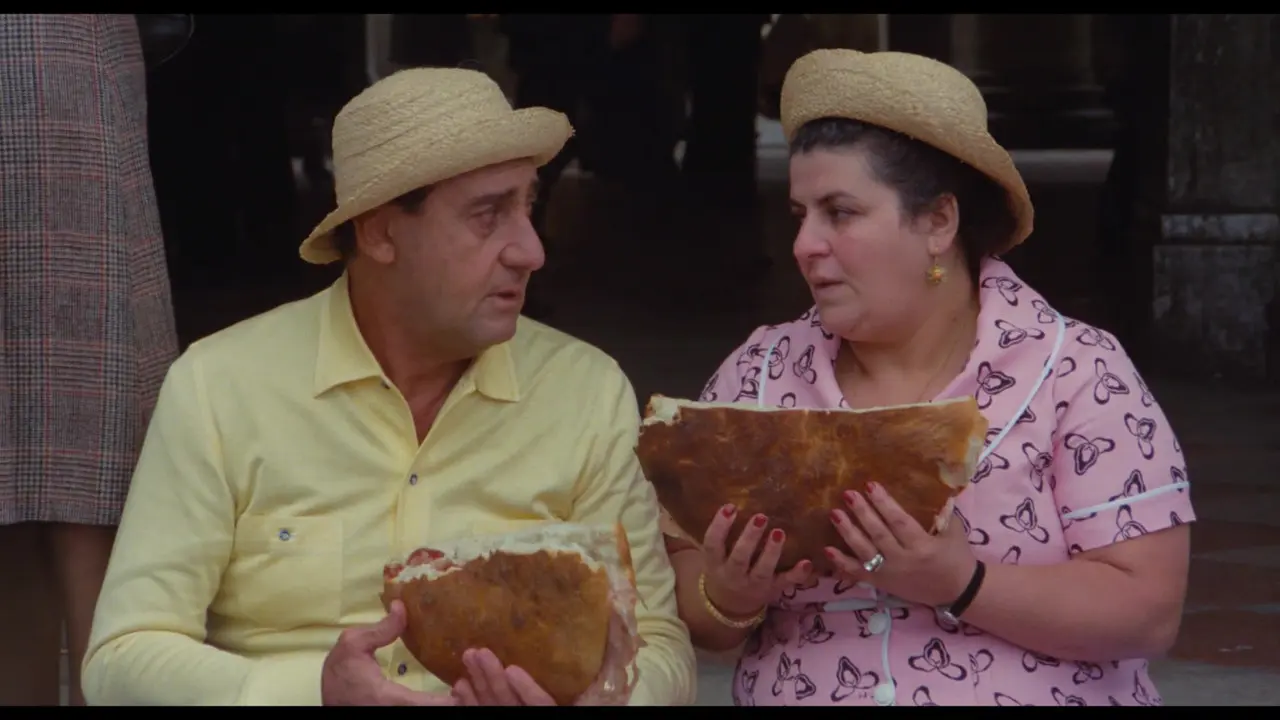


Each of us has our own memory connected to a nice stuffed sandwich . Maybe a school trip with a loaf filled with salami, but bitten in front of the Colosseum or while looking at the sea. Or again, the memory of a picnic with sandwiches of all flavours, side by side with your first love... or even your second or third, it's fine anyway!
Beyond romanticism, the sandwich is also an example of practicality, to be consumed quickly during work breaks, and of creativity , because the entire edible world can be placed between two or more slices of bread. We can be sure of one thing: there is no Italian who does not have his own, favorite "bread and sauce".
There is no Italian who does not have his own personal morsel of happiness as the gastronomy historian Alberto Capatti tells us in his "History of the Italian sandwich" (Slow Food Editore, 2024, pp. 144), an agile little volume with which he traces curiosities and anecdotes of one of the most common and consumed foods.
Alberto Capatti describes, in fact, a humble but rich epic that starts from the very popular custom of the sandwich as lunch during work both in the fields and in the factory, continues with sandwiches and all their styles in every region, passes through the advent of fast food and ends with the “gourmet” sandwich . A long journey, originating from the birth of the very English sandwich, the sandwich that John Montagu, fourth Earl of Sandwich, had one of his servants prepare so he could eat quickly, but tasty, without interrupting his beloved games for even a minute cards. That original sandwich - two slices of crustless bread with cold meat and cheese in between - paved the way for the very Milanese michetta with salami, the loaf of pork typical of central Italy and the thousand regional variations offered by our beautiful country .