

Russia, October 26, 1941. Martin Bora remains a Wehrmacht officer and is increasingly torn between obedience to his uniform and aversion to the horrors of Nazism. He has a broken arm, miraculously surviving capture and a daring escape behind the lines. Although wounded and exhausted, in the dead of night Bora receives an unexpected assignment from his superiors: to shed light on the death of Major Alt, "fallen in battle," at least according to the official conclusions. The investigation, however, quickly turns into a pilgrimage through the atrocious Nazi massacres committed on the Eastern Front. Wandering through the streets of Odessa, where the SS have just carried out terrible reprisals against the largely Jewish population, the melancholic Martin Bora begins to suspect that Major Alt was not simply killed in battle, that perhaps there is something more. Bora thus finds himself following the dual thread of research into Alt's strange death and the massacres perpetrated by the Romanian army supported by the SS. A thread that runs dangerously, too dangerously, on the edge of the precipice.
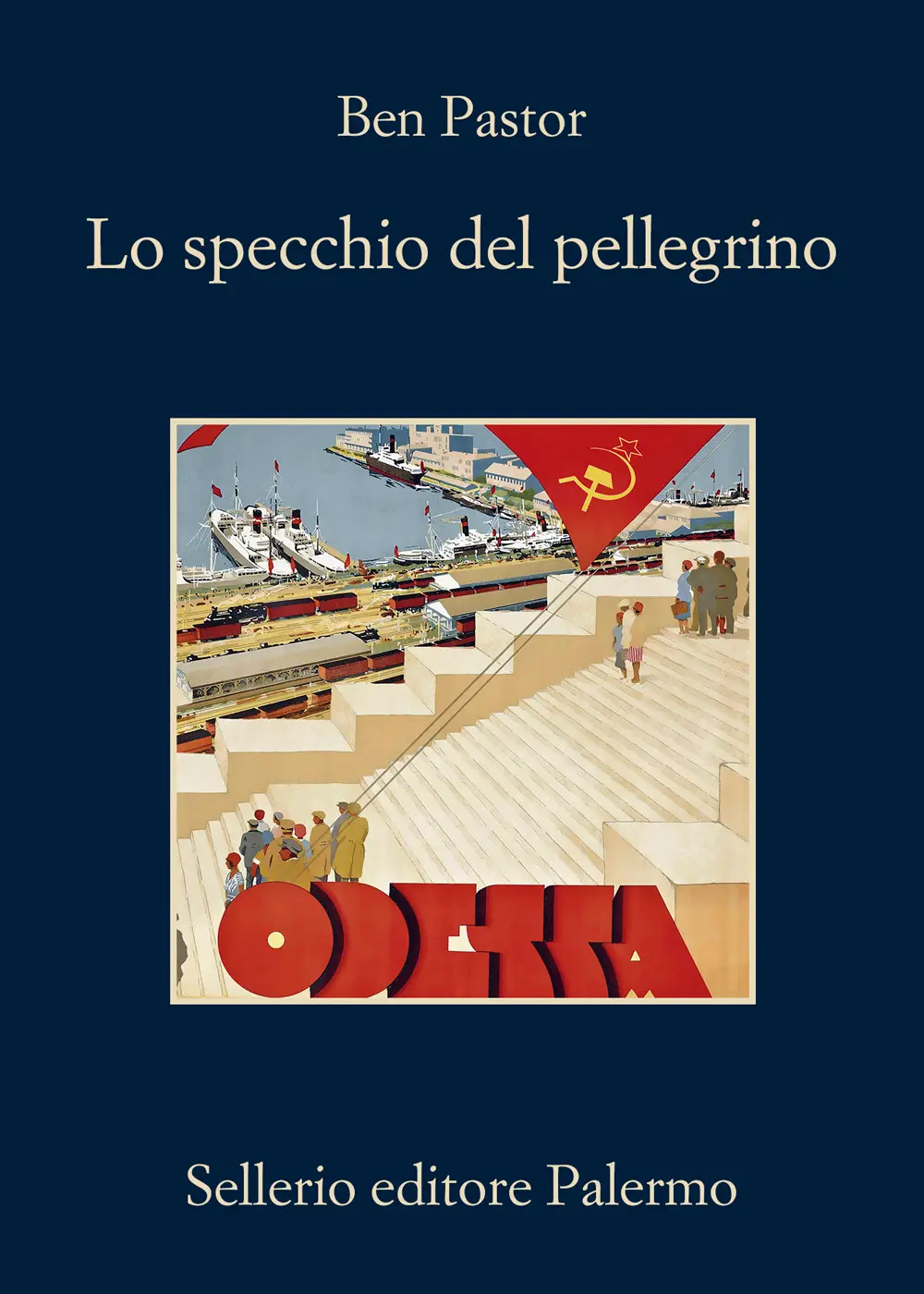
Between lost loves and illegal trafficking, wild nights and bloody pogroms, in the thirteenth installment of Martin Bora's saga, The Pilgrim's Mirror (Sellerio, 2026, €17.00, 510 pages. Also available as an eBook. Translated by Luigi Sanvito), Ben Pastor takes us to the Eastern Front and the iconic, mysterious, and fascinating city of Odessa. Here, the Wehrmacht officer will once again have to put his investigative skills to the test. Yet solving the murder case will not allow him to resolve the drama of his tormented conscience: that of being a good man in the wrong uniform.
But first of all, we asked Ben Pastor what it was like to meet Martin Bora again a few years after the last novel about him:
"It was like reconnecting with someone I'd known for a long time: not a character to reinvent, but someone with whom I could reconnect. Bora continues to amaze me because he maintains a strong internal coherence, but each new story forces him to confront different aspects of himself."