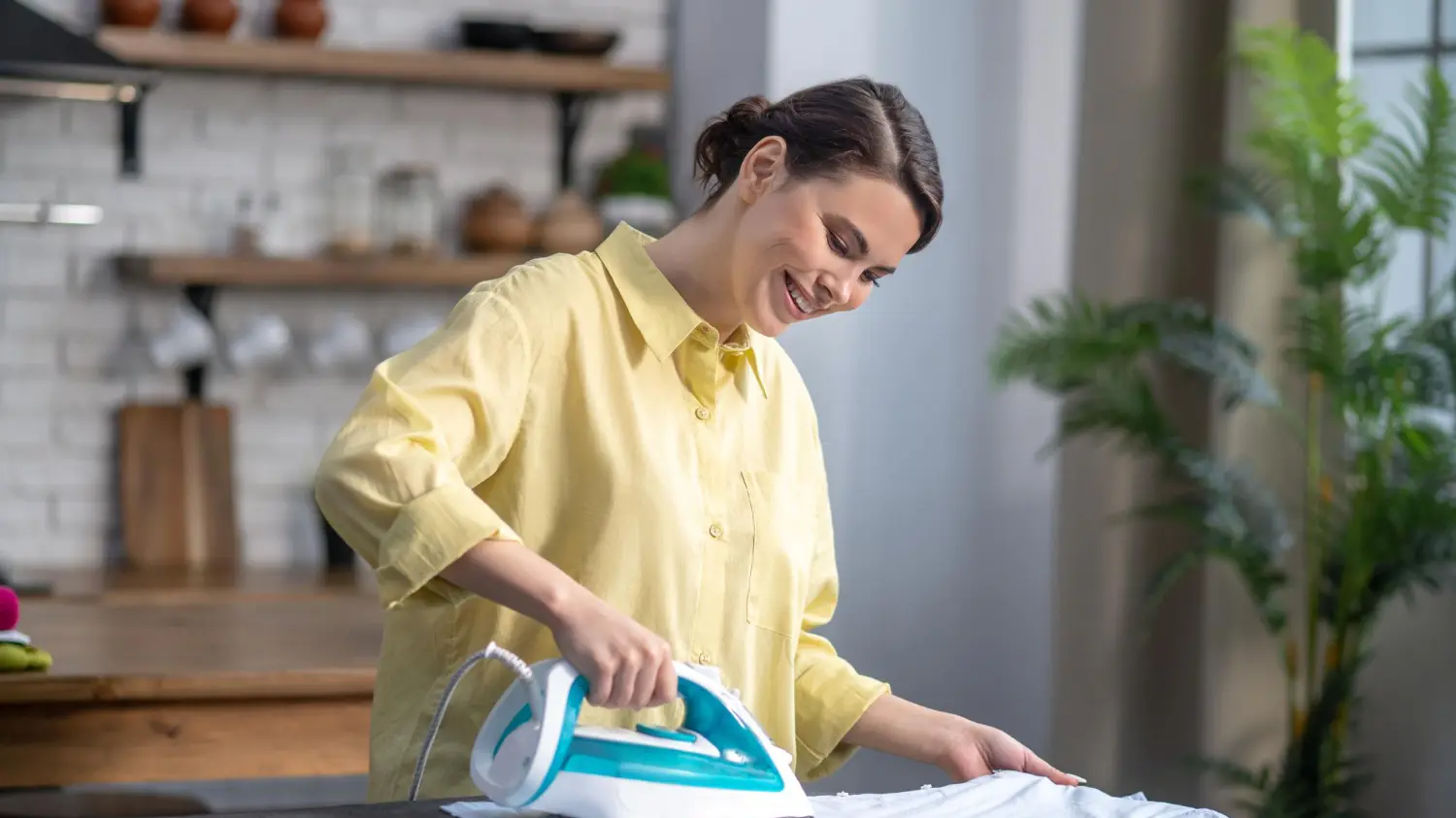


Care for clothing and household linens continues to play a fundamental role in the economy of home management. Technological innovation in the home appliance sector has focused in recent years on making ironing more efficient, faster, and less burdensome. The industry presents a range of devices that integrate power and intelligence, offering diversified solutions for every specific need. Among the players setting the standards for quality and innovation in fabric care, the steam iron from the German brand Braun Household remains the benchmark for engineering reliability, consistent performance, and ongoing research into advanced ergonomic solutions.
The evolution of steam generator irons: power and autonomy
Separate boiler ironing systems remain the preferred choice for users who regularly handle large volumes of laundry and require results approaching professional standards. The latest models for 2025 stand out for their significantly increased steam pressure and optimized tank capacity, which together ensure extended and continuous ironing sessions, drastically reducing the need for frequent interruptions to refill water. Power output , measured both in terms of electrical consumption and steam output in grams per minute, has been refined to allow steam to penetrate deeply even through thicker fabrics, such as denim or linen. Many top-of-the-line models integrate sophisticated anti-scale filtering and self-cleaning systems that not only maintain the appliance's constant efficiency but also contribute to significantly extending its operating life, meeting the need for durability expressed by a growing segment of discerning consumers.
Steam irons and smart functions
Traditional steam irons, while retaining their iconic shape, have undergone a significant evolution thanks to the integration of . The soleplate, a crucial element for the effectiveness of the treatment, is now made with ceramic alloys or special coatings that ensure superior and consistent glide on all types of fabrics, from cotton to viscose. The most significant innovation lies in the automatic temperature control systems. These can analyze or be preset to recognize the type of fabric being ironed, and consequently, automatically adapt the optimal combination of heat and steam flow. This eliminates the need for manual adjustments and effectively prevents the risk of damaging delicate garments or creating unwanted shine, significantly simplifying the user experience and making the approach to ironing safer, more intuitive, and faster.