

















LEGGI IL QUOTIDIANO
LEGGI IL QUOTIDIANOOggi 12 novembre
L'Unione Sarda.it
Abbonati
ITA|ENG|DEU|RUS|CIN
videolina Linkradiolina linkSardegna 1 linkVai online linkPBM link
Temi caldi di oggi:
Allarmi bombaMigrantiTentato omicidioSos Sardegna
Leggi il quotidiano
L'Unione Sarda.it
Abbonati
L'Unione Sarda

Iniziative Editoriali

  • Biblioteca dell'identità

Account

  • Gestisci il tuo abbonamento
  • Sfoglia il quotidiano
ABBONATI A L’UNIONE SARDA

SCARICA L'APP L'UNIONE DIGITAL

Download GoogleDownload apple
videolina Linkradiolina linkVai online linkPBM link

2021 L'Unione Sarda S.p.A. Tutti i diritti riservati. É vietata la riproduzione, anche parziale e con qualsiasi mezzo, di tutti i materiali del sito. | Indirizzo della Sede Legale: Piazzetta L'Unione Sarda nr. 24 | Capitale sociale 11.400.000,00 i.v. | Codice Fiscale ed iscrizione presso l'Ufficio Registro Imprese di Cagliari 01687830925 (P.I. 02544190925) | REA: CA-136248

Cookie e Privacy PolicyModifica impostazioni privacyInformativa commentiCorporate
L'Unione Sarda

News

  • Cronaca Sardegna
  • Economia
  • Salute
  • Cultura
  • Sport
  • Gossip
  • Turismo

Servizi

  • Necrologi
  • Annunci
  • Pubblicità

Bella Sardegna

  • Spiagge

Iniziative Editoriali

  • Biblioteca dell'identità

Account

  • Gestisci il tuo abbonamento
  • Sfoglia il quotidiano
ABBONATI A L’UNIONE SARDA

SCARICA L'APP L'UNIONE DIGITAL

Download GoogleDownload apple
videolina Linkradiolina linkVai online linkPBM link

2021 L'Unione Sarda S.p.A. Tutti i diritti riservati. É vietata la riproduzione, anche parziale e con qualsiasi mezzo, di tutti i materiali del sito. | Indirizzo della Sede Legale: Piazzetta L'Unione Sarda nr. 24 | Capitale sociale 11.400.000,00 i.v. | Codice Fiscale ed iscrizione presso l'Ufficio Registro Imprese di Cagliari 01687830925 (P.I. 02544190925) | REA: CA-136248

Cookie e Privacy PolicyModifica impostazioni privacyInformativa commentiCorporate
Home
The interview

The about-faces of a nation that has not come to terms with fascism

Gianni Oliva and the Italian inability to look honestly at history and its own past
Roberto Roveda
10 marzo 2024 alle 10:00
The about-faces of a nation that has not come to terms with fascism
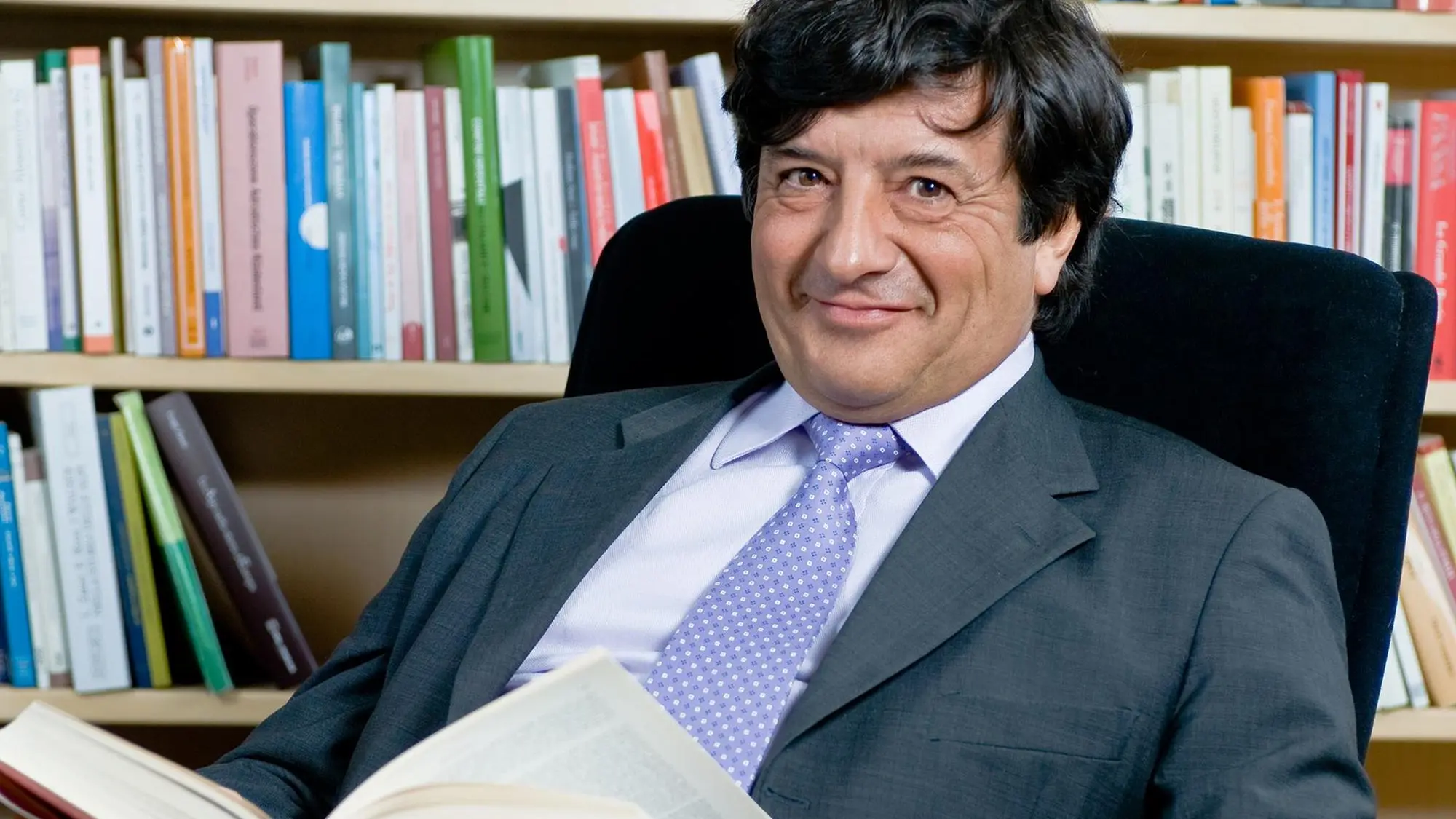
Gianni Oliva (foto concessa)
Resta informato su WhatsApp
FacebookXLinkedInWhatsApp
Argomenti similiSLOT_11
  • Da che parte sta?
    Caffè Scorretto

    Da che parte sta?

    Tacitus

Articoli correlati

Bomb scare, schools aren't closing. Meloni: "They want to scare us, not hit us. We'll react."
the emergency

Bomb scare, schools aren't closing. Meloni: "They want to scare us, not hit us. We'll react."

The prime minister called on the opposition and reassured them in a video on social media: "Nothing was found in the institutions. Those who send these threats want a nation that is terrified and fea…
Majority summit: "Forward with the statute, but no changes to the electoral law."
region

Majority summit: "Forward with the statute, but no changes to the electoral law."

The draft is ready and at the next session the special commission will begin examining all the articles.
Roberto Murgia
Grillo's appeal, the defense: "Evidence in our favor was ignored or undervalued, the trial must be retried."
Sassari

Grillo's appeal, the defense: "Evidence in our favor was ignored or undervalued, the trial must be retried."

In the grounds of appeal, a flurry of objections raised by the lawyers to the regularity of the conviction sentence of the Tempio Tribunal
Andrea Busia
Girasole: Mosquitoes test positive for the Usutu virus: Mayor's order comes into effect.
the alarm

Girasole: Mosquitoes test positive for the Usutu virus: Mayor's order comes into effect.

The verdict from the Teramo zooprophylactic institute is the first case in the municipality.
Roberto Secci
The eighteenth edition of the Carbonia Film Festival kicks off
cinema

The eighteenth edition of the Carbonia Film Festival kicks off

This morning, the Skan mural was unveiled at the ticket office, and the festival officially opens this afternoon. The event will get into full swing in the coming days.
MARCO CORRIAS
Salerno, a new adventure in the Eccellenza league: he will coach the Tortolì women's team.
soccer

Salerno, a new adventure in the Eccellenza league: he will coach the Tortolì women's team.

The 42-year-old coach returns to the bench, in a completely different context than those he has faced so far
Roberto Secci
Kimi Antonelli with his tricolor hair, Mercedes: "No words."
the champion

Kimi Antonelli with his tricolor hair, Mercedes: "No words."

In the video posted by the team, Kimi arrives at the headquarters, Wolff is incredulous: "Did you even pay?"
Costa Smeralda, the "emery gang" and thefts from dream villas: crimes prescribed after 16 years
Olbia

Costa Smeralda, the "emery gang" and thefts from dream villas: crimes prescribed after 16 years

In 2010, raids took place in Porto Cervo and Olbia, with the villa of an undersecretary of Labour and the residence of a Roman countess also targeted.
Andrea Busia
Ciro Grillo trial: appeal faces immediate risk of postponement
court

Ciro Grillo trial: appeal faces immediate risk of postponement

The defense: "A judge's signature is missing; the first-instance ruling must be retried."

Winston Churchill was a person who certainly did not lack irony and even sarcasm. Not for nothing in commenting on the condition of a country, ours, which in 1940 entered the war praising fascist aggressiveness and three years later promptly forgot about it, he loved to repeat: "In Italy until July 25th there were 45 million of fascists; from the next day, 45 million anti-fascists. But I don't know that Italy has 90 million inhabitants."

A merciless snapshot of a nation that did not want to deal with its past responsibilities and that had no intention of changing its attitude even after the war was over. In the Paris Peace Conference of 1946, all responsibility for the defeat was attributed exclusively to Mussolini, the hierarchs and Vittorio Emanuele III. Once the former had been eliminated in Dongo and in Piazzale Loreto and the monarchy had been ousted with the referendum of 2 June, Italy could therefore regain its presumed political and moral integrity by using the Resistance, the work of a minority, as an alibi to absolve itself of responsibility of the twenty-year period.

The about-faces of a nation that has not come to terms with fascism
La copertina del libro

A dynamic with dramatic consequences as told to us by the historian Gianni Oliva , author of an essay dedicated precisely to Italian amnesia and entitled, not by chance, " 45 million anti-fascists" (Mondadori, 2024, pp. 228, also e-book):

«Not dealing with the past means that the past does not pass: this is demonstrated by the recurring controversies on anti-fascism, on the April 25 squares, on the foibe, on the day of remembrance, on the north-eastern border, on the Roman salute. After almost 80 years from the Constitution, it is paradoxical that 'anti-fascism' is still a term of opposition: it means that we have not internalized the Constitution which is 'democratic' and, therefore, includes anti-fascism in itself, while anti-fascism is not always democratic. Today politics is weak in interpreting the present and planning the future, which is why it ends up speaking to the 'guts' of its electorate by seeking its own identity backgrounds in the judgment of the past. And so topics that should be part of collective awareness become the cause of out-of-time controversies."

But why, unlike what happened in other nations such as Germany, was it preferred to simply wipe out the past, the Twenty Years, our responsibilities in the Second World War?

«Because in the post-war period we wanted to transition the entire ruling class from fascism to the republic without firing a shot: normalization and stability were needed, the accounts with the past would have posed embarrassing questions for many and opened up unpredictable scenarios. And so magistrates, intellectuals, journalists, bureaucrats, generals, prefects, police commissioners, professors all kept their place: we used the only experience that put us on the right side of history, the Resistance, and (as the historian Rosario Romeo wrote ) 'we used it as an alibi' to consider ourselves all absolved of past complicities. With the paradox of finding ourselves, for example, with a magistrate like Gaetano Azzariti, president of the Racial Tribunal in 1938, who in 1957 became president of the Constitutional Court, moving from racial laws to democracy without anyone calling him to account, neither the Christian Democrats nor the communists, nor the Jewish community; or with a man like Marcello Guida, who in 1939 was director of the Ventotene prison where anti-fascists were detained and in 1969 was police commissioner of Milan."

But could it have been done differently? In particular, some believe that the so-called Togliatti amnesty of 1946, which led to the cancellation of crimes committed in the twenty years and during the war, was more bad than good for the nation.

«Probably the Togliatti amnesty was inevitable: one could not think of a season of trials lasting for years. However, it was possible and necessary to process the past differently, to understand the nature of fascism, to recognize the many complicities that the twenty-year period enjoyed: instead we preferred to imagine that the regime was a straitjacket that kept the country sewn together with thread of the repression and to think that April 25th guaranteed political and moral virginity to everyone."

What did we miss to avoid falling into collective self-absolution?

«An Italian Nuremberg was missing, not so much for the convictions to which Nuremberg led (the main perpetrators of fascism were still executed in Dongo), but for the meaning of reflection represented by the trial, for the critical awareness that it developed in Germany» .

What can we do today to avoid perpetuating the removals of almost a century ago?

«Historians try to understand what happened yesterday, they are not the best suited to indicate what needs to be done today. One thing, however, I think can be said: we should study history more. History in our school is not a highly honored subject, especially contemporary history. Well, if we studied the twentieth century more and better, perhaps we could help overcome the post-war repressions. And to better understand the reality in which we move."

© Riproduzione riservata