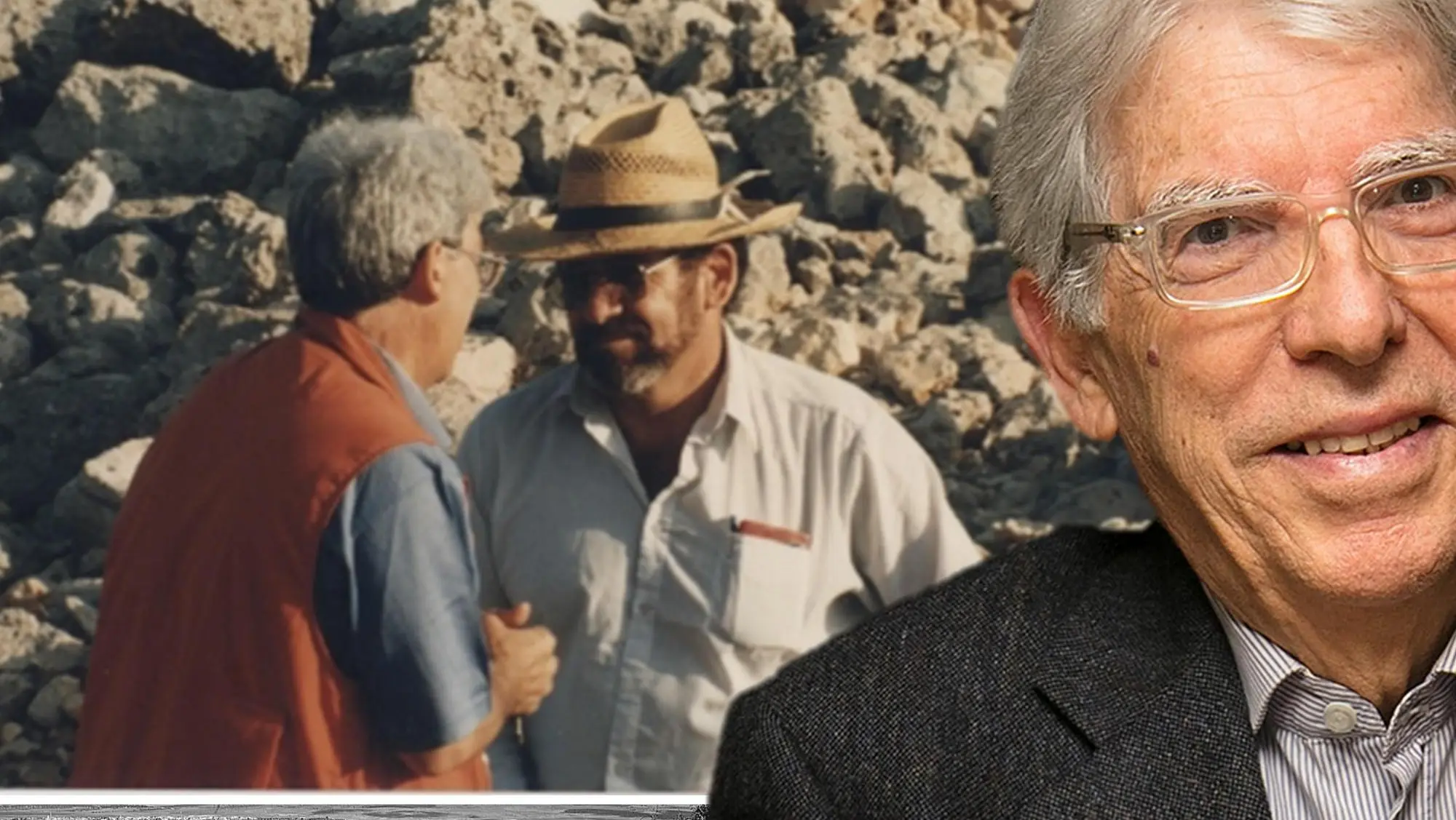


It's cold. The day is cloudy. The Italian-Israeli calendar marks September. The last days of the month. The year is 1995. The time is late, ten minutes before ten at night. The Alitalia DC 9 arrives at Elmas airport from Rome, but the passenger on board started the flight from the deep eastern Mediterranean. Takeoff is from Tel Aviv, the capital of Israel. That middle-aged gentleman, with facial features of Aaron, the biblical brother of Moses and first high priest of the Jewish people, lands as a refugee on Sardinian land. He says live: «I was the only Israeli among the ninety passengers. When I landed in the small airport of Cagliari, the capital of Sardinia, I had not yet booked a hotel room. I had no idea where this adventure would take me, as I observed the coast of southern Sardinia divided by the waning light."
The way of the Shardana
He knew what he was looking for in the land of the Nuraghi, he imagined scenarios, he set his sights on ideal horizons, but he didn't even have the faintest idea where to start. The philosophy that animates it is that of adventure, the spirit is that of the Klondike gold prospector turned archaeologist. He himself tells it: «Archaeological discoveries, like discoveries in general, can take different paths. Sometimes things become clear in a flash, quickly, all at once. Most discoveries, however, crystallize slowly, as small facts accumulate. This was the case in our case." He, Adam Zertal, the number one archaeologist of the Promised Land, was convinced that the ancient peoples of Sardinia, the Shardana, had left their mark on that strip of land which had always been marred by endless and perennial wars.