

In spring, life resumes or changes forever. Thus Nica disappears one spring day, severing her ties with Tommaso and leaving only a brief farewell note. Of Nica, laconic and fragile, fickle and haughty, of her mild indifference to the things of the world, of the entirely new passion she had poured upon him, of her being both living flesh and pure spirit, Tommaso is left with only a handful of memories. And the regret of never having imagined his future with her. He searches everywhere for her, sleepwalking through the streets of a Palermo that seems unwilling to give her back. But finding her is necessary because it means rediscovering the most alive part of himself, the one that her desire has revealed to him. Her story runs parallel to that of Gelsomina and her daughter Margherita, who arrived as a gift thanks to a vow made to the saint of the impossible, Saint Rita. A woman and a little girl live their days in exile from their family, in a small house where time stands still and the sea swallows up everything, until the day real life bursts in. From that bond unfolds a story of escapes and returns, of untold truths and conquered freedoms.
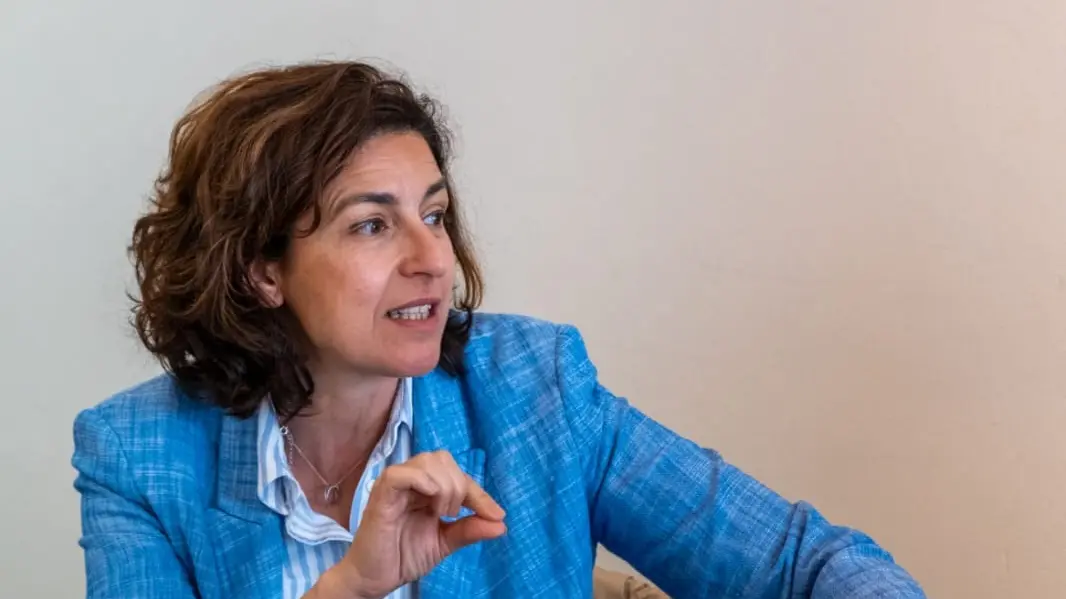
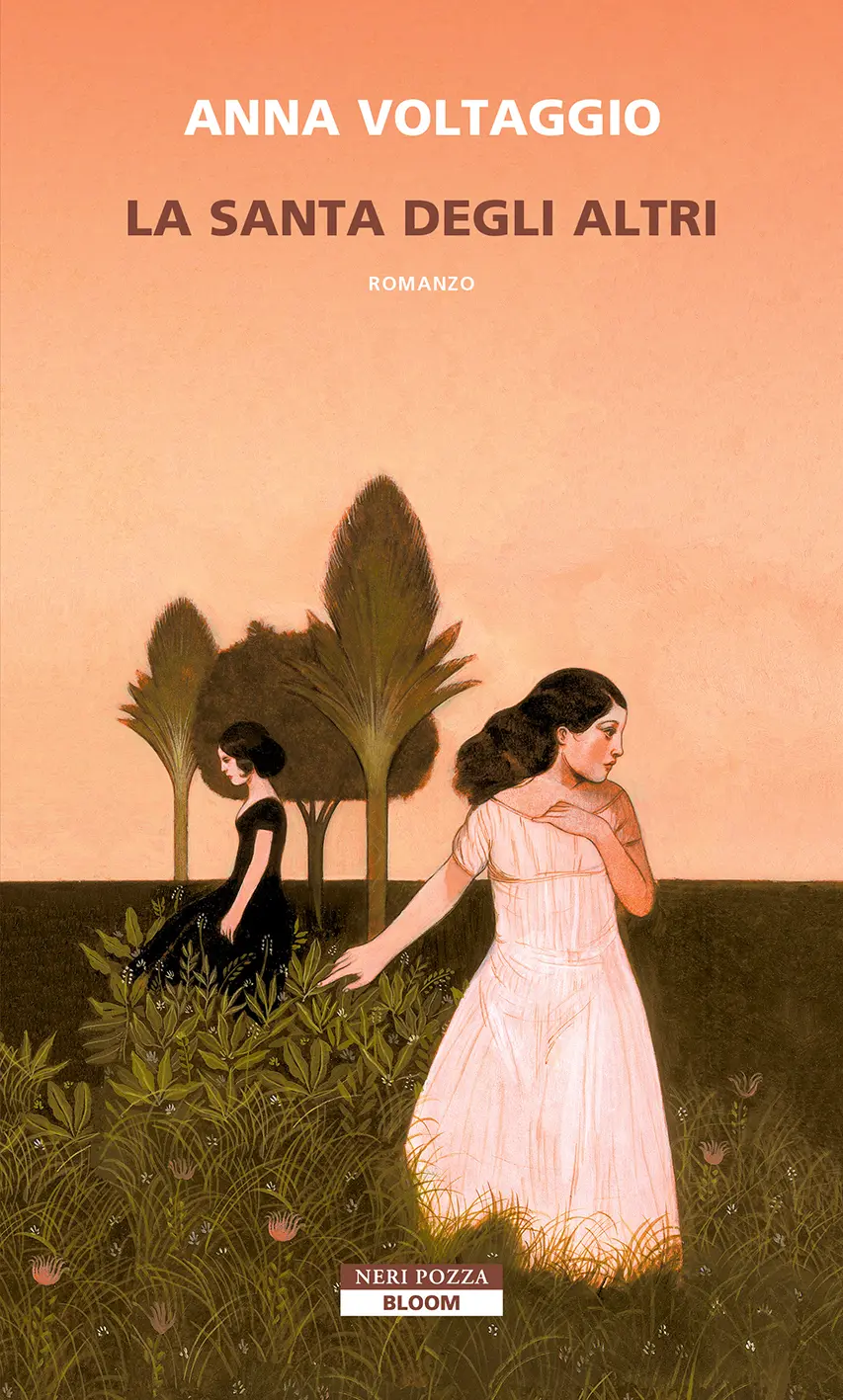
These are the ingredients, the protagonists of The Saint of Others (Newri Pozza, 2026, Euro 19.00, pp. 176. Also available as an ebook), a powerful and hypnotic novel in which Anna Voltaggio disregards the materialism of our day, making room for the sacred dimension of even the most secular existences.
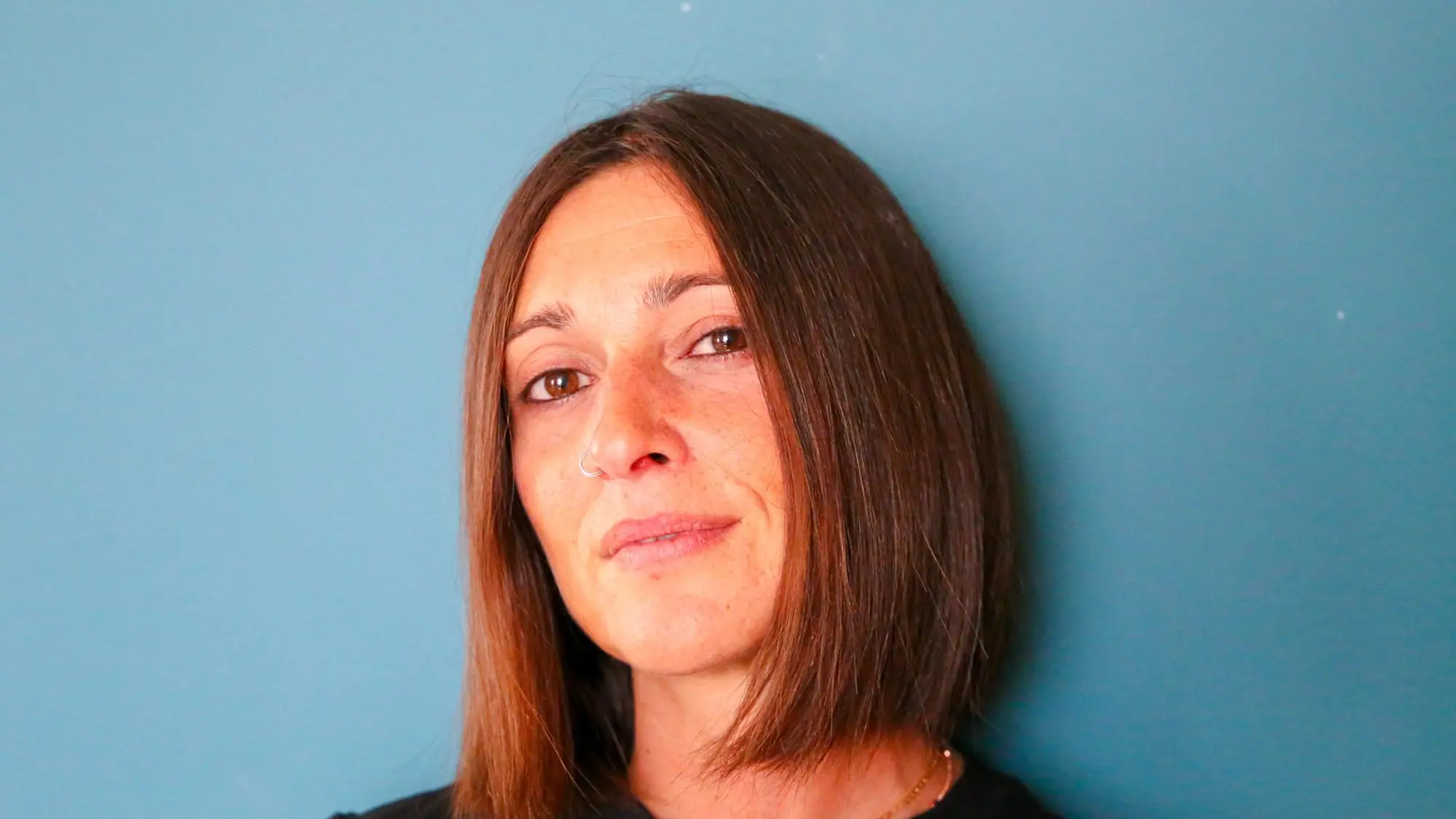
We then asked Anna Voltaggio, first of all, what the sacred is for her:
In this book, I explore the sacred beyond its association with the Catholic religion, because I believe the concept pertains to even the most secular of existences. In this story, the sacred is a symbolic force that permeates the female characters in particular.
Saint Rita seemed to me the perfect figure for this reasoning, a character full of contradictory nuances that embodies the image of a maternal and obedient feminine, but also of a feminine that demands freedom from the confines of family. How do we become who we are if not through the choice to believe deeply in something? We make family 'sacred'—a love, an idea, a principle—and from this we choose who to be and what to value and trust. It's a dimension of stability necessary for us, as we continually change and transform ourselves. Sometimes we become capable of tearing down our personal totems and changing our minds, but we prudently build others, because it would probably be frightening to live without them.