












LEGGI IL QUOTIDIANO
LEGGI IL QUOTIDIANOOggi 11 novembre
L'Unione Sarda.it
Abbonati
ITA|ENG|DEU|RUS|CIN
videolina Linkradiolina linkSardegna 1 linkVai online linkPBM link
Temi caldi di oggi:
Allarmi bombaMigrantiTentato omicidioSos Sardegna
Leggi il quotidiano
L'Unione Sarda.it
Abbonati
L'Unione Sarda

Iniziative Editoriali

  • Biblioteca dell'identità

Account

  • Gestisci il tuo abbonamento
  • Sfoglia il quotidiano
ABBONATI A L’UNIONE SARDA

SCARICA L'APP L'UNIONE DIGITAL

Download GoogleDownload apple
videolina Linkradiolina linkVai online linkPBM link

2021 L'Unione Sarda S.p.A. Tutti i diritti riservati. É vietata la riproduzione, anche parziale e con qualsiasi mezzo, di tutti i materiali del sito. | Indirizzo della Sede Legale: Piazzetta L'Unione Sarda nr. 24 | Capitale sociale 11.400.000,00 i.v. | Codice Fiscale ed iscrizione presso l'Ufficio Registro Imprese di Cagliari 01687830925 (P.I. 02544190925) | REA: CA-136248

Cookie e Privacy PolicyModifica impostazioni privacyInformativa commentiCorporate
L'Unione Sarda

News

  • Cronaca Sardegna
  • Economia
  • Salute
  • Cultura
  • Sport
  • Gossip
  • Turismo

Servizi

  • Necrologi
  • Annunci
  • Pubblicità

Bella Sardegna

  • Spiagge

Iniziative Editoriali

  • Biblioteca dell'identità

Account

  • Gestisci il tuo abbonamento
  • Sfoglia il quotidiano
ABBONATI A L’UNIONE SARDA

SCARICA L'APP L'UNIONE DIGITAL

Download GoogleDownload apple
videolina Linkradiolina linkVai online linkPBM link

2021 L'Unione Sarda S.p.A. Tutti i diritti riservati. É vietata la riproduzione, anche parziale e con qualsiasi mezzo, di tutti i materiali del sito. | Indirizzo della Sede Legale: Piazzetta L'Unione Sarda nr. 24 | Capitale sociale 11.400.000,00 i.v. | Codice Fiscale ed iscrizione presso l'Ufficio Registro Imprese di Cagliari 01687830925 (P.I. 02544190925) | REA: CA-136248

Cookie e Privacy PolicyModifica impostazioni privacyInformativa commentiCorporate
Home
Dialogue with writers

"Some deaths don't make noise," as artificial intelligence aims to revolutionize the world of cybersecurity

In Alessandro Curioni's novel a journey to discover the technology destined to determine our future
Roberto Roveda
2 novembre 2022 alle 13:29Aggiornato il 2 novembre 2022 alle 13:28
"Some deaths don't make noise," as artificial intelligence aims to revolutionize the world of cybersecurity
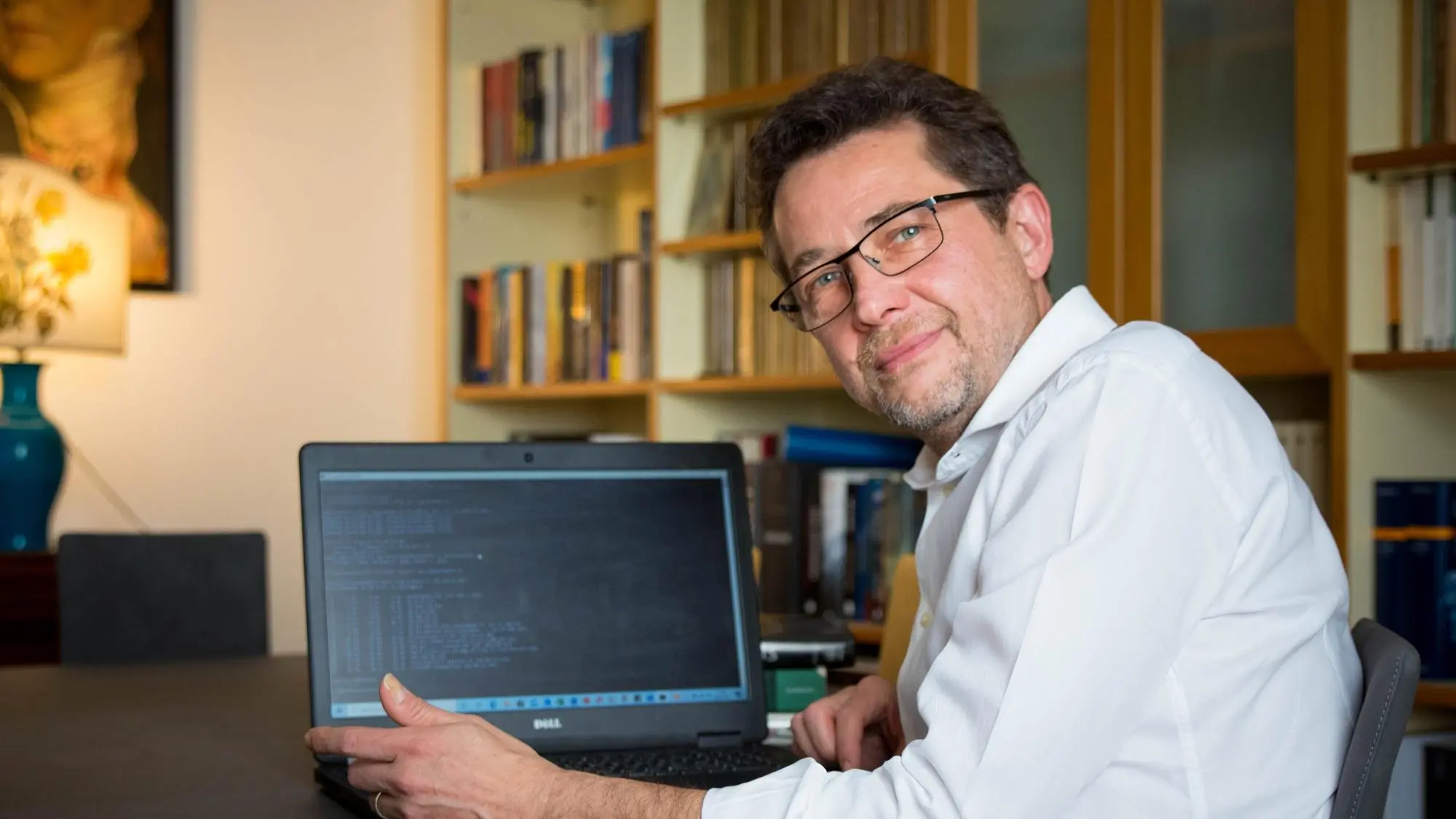
Alessandro Curioni (foto ufficio stampa)
Resta informato su WhatsApp
FacebookXLinkedInWhatsApp
Argomenti similiSLOT_11
  • Russi e russanti
    Caffè Scorretto

    Russi e russanti

    Luigi Almiento

Articoli correlati

Bomb scare, schools aren't closing. Meloni: "They want to scare us, not hit us. We'll react."
the emergency

Bomb scare, schools aren't closing. Meloni: "They want to scare us, not hit us. We'll react."

The prime minister called on the opposition and reassured them in a video on social media: "Nothing was found in the institutions. Those who send these threats want a nation that is terrified and fea…
Majority summit: "Forward with the statute, but no changes to the electoral law."
region

Majority summit: "Forward with the statute, but no changes to the electoral law."

The draft is ready and at the next session the special commission will begin examining all the articles.
Roberto Murgia
Grillo's appeal, the defense: "Evidence in our favor was ignored or undervalued, the trial must be retried."
Sassari

Grillo's appeal, the defense: "Evidence in our favor was ignored or undervalued, the trial must be retried."

In the grounds of appeal, a flurry of objections raised by the lawyers to the regularity of the conviction sentence of the Tempio Tribunal
Andrea Busia
Girasole: Mosquitoes test positive for the Usutu virus: Mayor's order comes into effect.
the alarm

Girasole: Mosquitoes test positive for the Usutu virus: Mayor's order comes into effect.

The verdict from the Teramo zooprophylactic institute is the first case in the municipality.
Roberto Secci
The eighteenth edition of the Carbonia Film Festival kicks off
cinema

The eighteenth edition of the Carbonia Film Festival kicks off

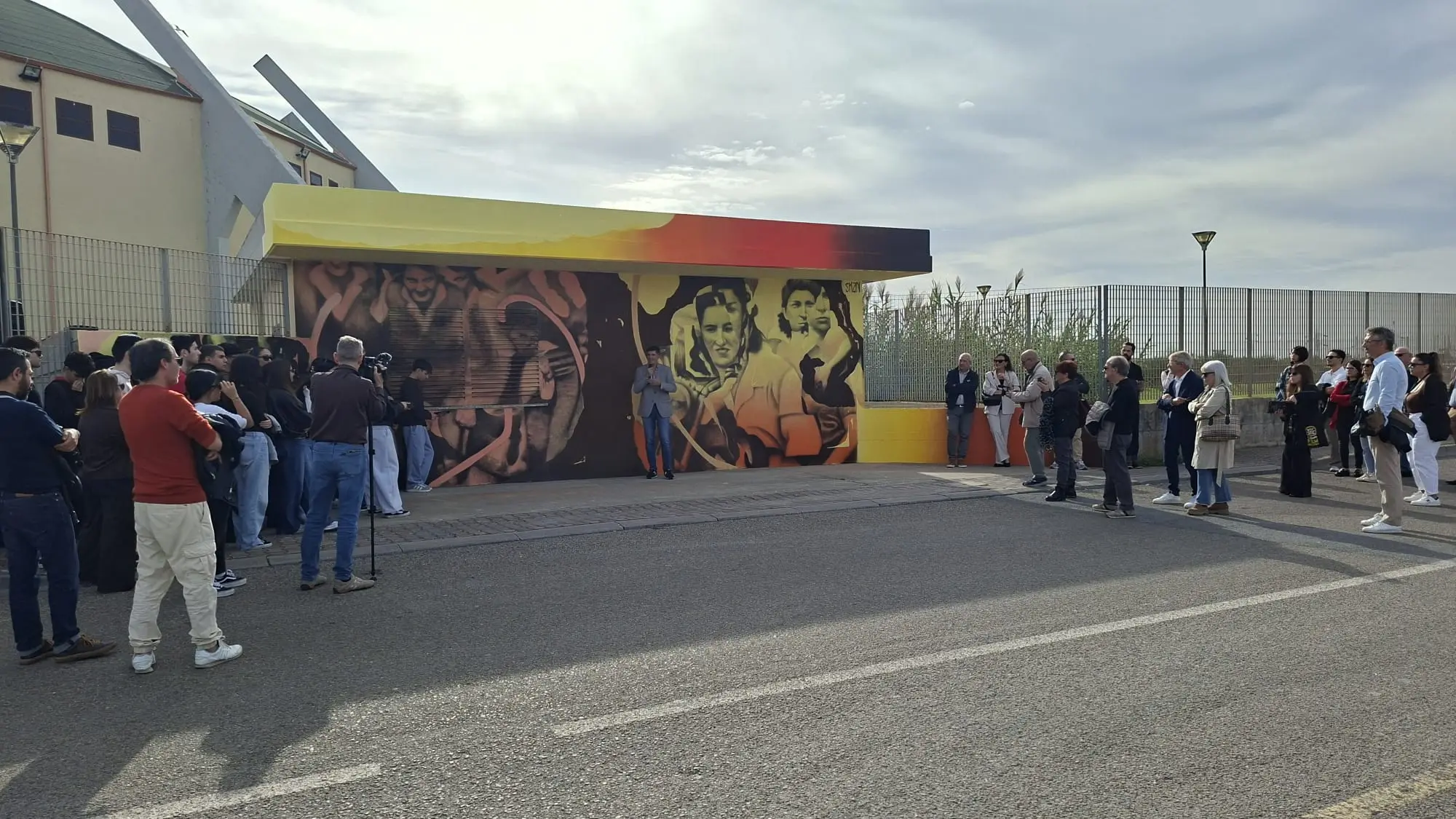
This morning, the Skan mural was unveiled at the ticket office, and the festival officially opens this afternoon. The event will get into full swing in the coming days.
MARCO CORRIAS
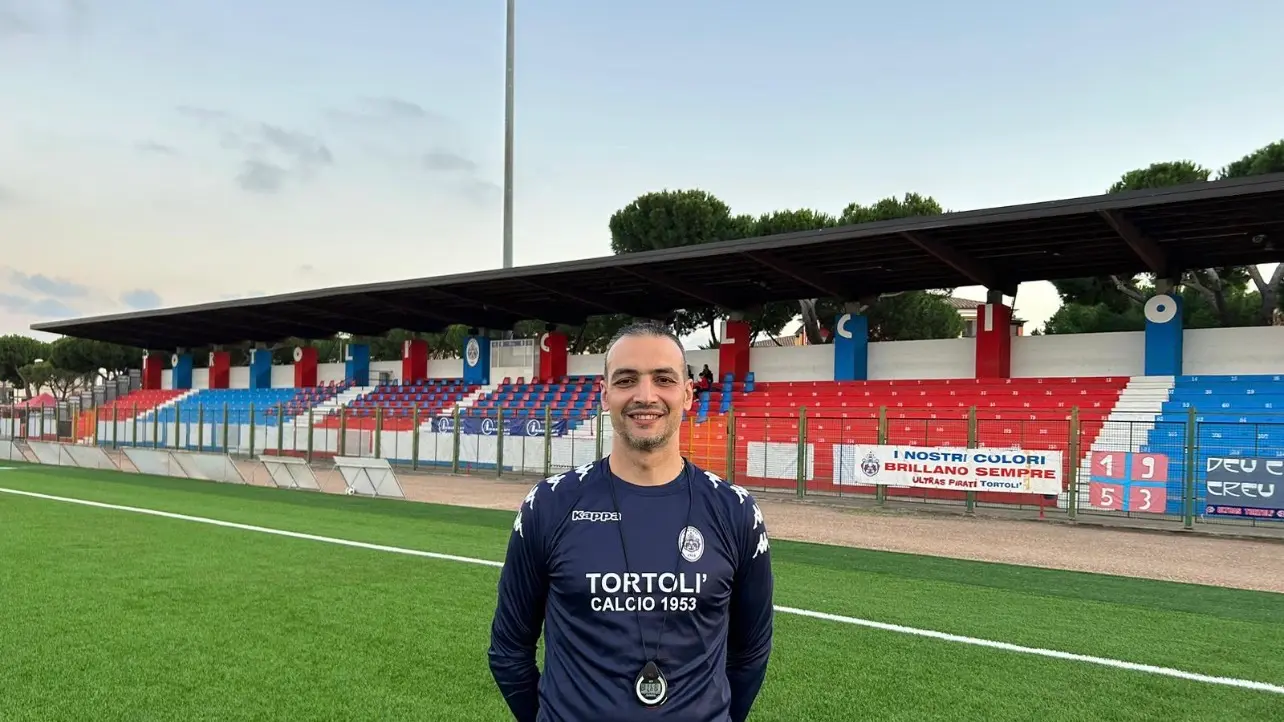
Salerno, a new adventure in the Eccellenza league: he will coach the Tortolì women's team.
soccer

Salerno, a new adventure in the Eccellenza league: he will coach the Tortolì women's team.

The 42-year-old coach returns to the bench, in a completely different context than those he has faced so far
Roberto Secci
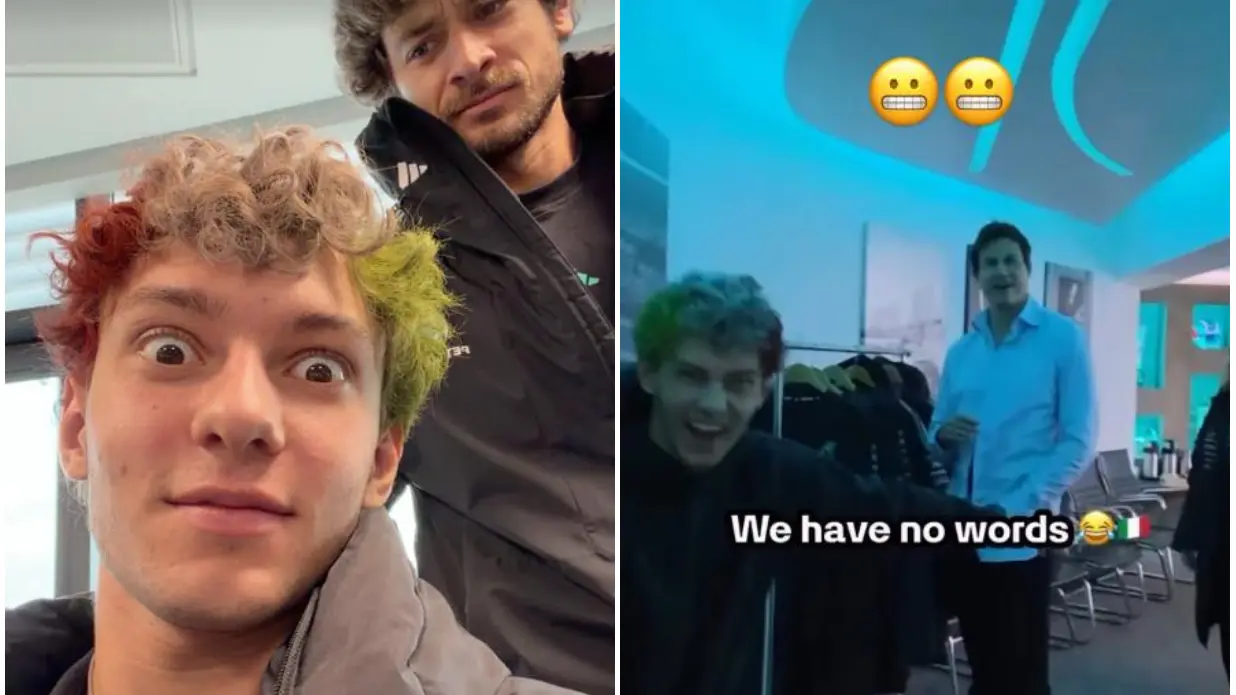
Kimi Antonelli with his tricolor hair, Mercedes: "No words."
the champion

Kimi Antonelli with his tricolor hair, Mercedes: "No words."

In the video posted by the team, Kimi arrives at the headquarters, Wolff is incredulous: "Did you even pay?"
Costa Smeralda, the "emery gang" and thefts from dream villas: crimes prescribed after 16 years
Olbia

Costa Smeralda, the "emery gang" and thefts from dream villas: crimes prescribed after 16 years

In 2010, raids took place in Porto Cervo and Olbia, with the villa of an undersecretary of Labour and the residence of a Roman countess also targeted.
Andrea Busia
Ciro Grillo trial: appeal faces immediate risk of postponement
court

Ciro Grillo trial: appeal faces immediate risk of postponement

The defense: "A judge's signature is missing; the first-instance ruling must be retried."

After having turned the dark web upside down in his previous adventure (“Il Giorno del Bianconiglio”, Chiarelettere, 2021), Leonardo Artico , the cybersecurity expert created by Alessandro Curioni , ends up again in the crosshairs of very dangerous opponents. In her second adventure, "Certe dead don't make noise" (Chiarelettere, 2022, pp. 300, also e-book) she has to deal with an ancient lover, in the meantime become the powerful manager of a big tech, next to whom a gray eminence materializes at the head of a “particular” nucleus of the secret services. Both have an offer for Leonardo Artico that cannot be refused.

Our protagonist - with his fellow adventurers the hacker Roberto Gelmi and the journalist Teresa Aprili - finds himself so involved in the very secret Da Vinci Project , which through the use of artificial intelligence aims to revolutionize the world of IT security.

To the author of the book, Alessandro Curioni, one of the leading international cybersecurity experts, we naturally ask if artificial intelligence is as "extraordinary" as it appears in his novel:

“If you think about it we call it Artificial Intelligence because we haven't been able to find a better term. After all, there is no unanimously accepted definition of what intelligence is. In any case, it is still a machine that manages to emulate some of the capabilities of the human brain: for example, image recognition. In fact, today we have the so-called weak, that is, specialized artificial intelligences at our disposal. Nothing to do with those represented in many science fiction works that are able to simultaneously simulate all the capabilities of a human mind. From my point of view, keep in mind that I deal with cybersecurity by trade: for me it is essential to know that where there are great opportunities, as in this case, there are great risks ".

So is artificial intelligence somehow already a reality?

"Absolutely yes. We often interact with intelligent algorithms even without realizing it. Think of all the virtual assistants, the self-driving cars starting to appear, the credit scoring systems. In short, we are surrounded by more or less intelligent objects ”.

"Some deaths don't make noise," as artificial intelligence aims to revolutionize the world of cybersecurity

Why does it appear as the technology of the future par excellence?

“I believe for the simple reason that he will be able to do something that is impossible for us human beings: manage and extract knowledge from databases of inconceivable size. What we define as 'big data' are inaccessible to us: we have a quantity of information available as never before in the history of humanity; yet, we fail to use them because there are too many. Many years ago the art critic Federico Zeri said: 'We are dying from excess of information'. Here, in this artificial intelligences can save us ”.

Yet, artificial intelligence is also dangerous ...

“It is for a few reasons. First, it is as fragile as it is powerful. By manipulating the databases on which she is trained, it is possible to induce her to develop cognitive biases. A famous case concerns the Compass algorithm used years ago in the United States to evaluate the recidivism of criminals. Eventually, it turned out he was racist. Secondly, there is the problem of 'dual use': what can be used to protect us can also be used to harm us. Algorithms have been developed that can emulate the writing style. This means that they may recognize a scam email with great accuracy, but they may also write a very credible one. Third factor is what is referred to as 'opacity'. By delegating decisions to artificial intelligences - think of a self-driving car rather than an algorithm that buys and sells stocks - it is very likely that we would not be able to understand its choices. This means losing the ability to control it ”.

Can artificial intelligence really put humanity at risk as we understand it today?

“I don't feel like excluding it. Some think that we are approaching the so-called 'technological singularity', which is the time when technical progress accelerates beyond our comprehension. The singularities have the characteristic that small variations can produce distortions of exceptional importance. I try to explain myself with an example. The environmental transition largely depends on digital transformation, the highest point of which is probably represented by smart cities. Smart cities whose management will largely be entrusted to artificial intelligences that will take care of monitoring and optimizing, for example, the consumption of buildings and traffic. It will be billions of sensors that will produce trillions of information then fed to thousands of artificial intelligences. We would find ourselves in the presence of a system of extraordinary complexity. If in 1975 Lorenz wondered 'can the flapping of a butterfly's wings in Brazil cause a hurricane in Texas?', I don't think the day will be far off when we ask ourselves: 'Can a failure of a traffic light in Singapore cause a blackout in London?'".

© Riproduzione riservata