

Nouns: su mundu, su bentu, su fogu, etc.
Adjectives: bonu, malu, longu, totu, mannu etc.
The places: Mulinu Becciu, Gutturu Mannu etc.
There are many masculine words that in Sardinian end with U. A real peculiarity of the island limba , which is rarely found in Italian and in other dialects of the peninsula.
But why does the Sardinian language have this characteristic?
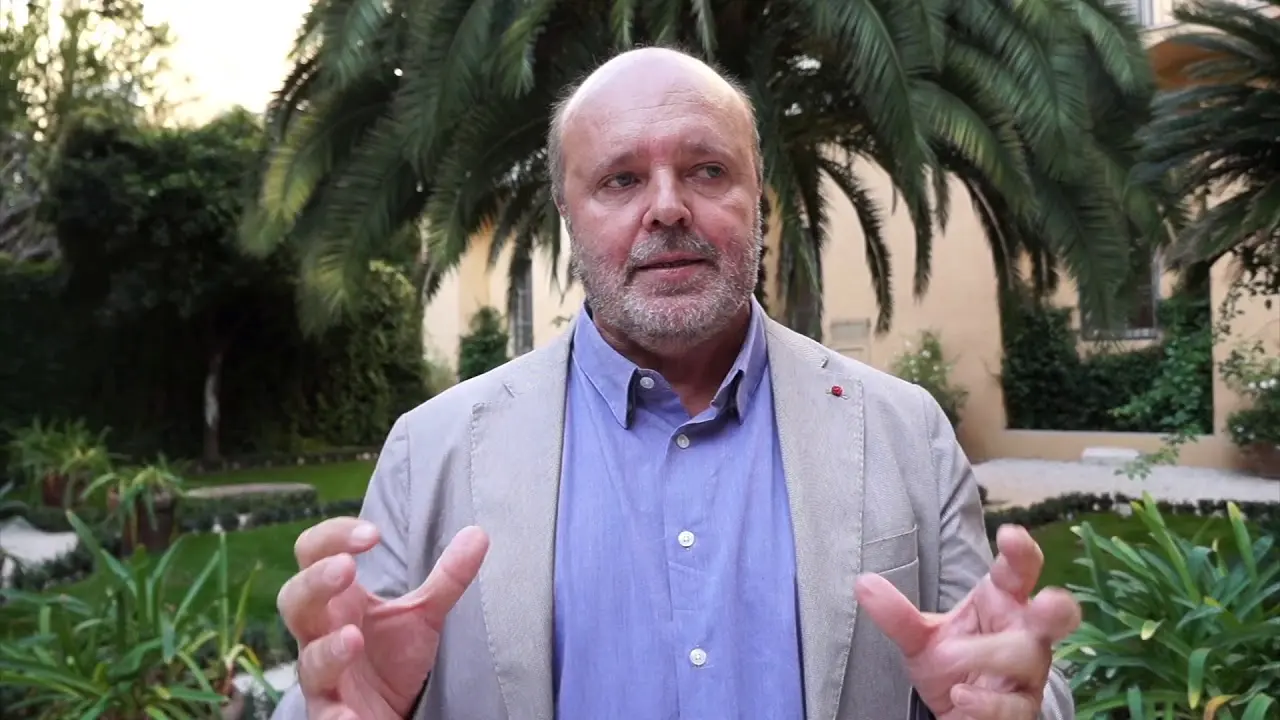
We asked Professor Maurizio Virdis for guidance, professor of Romance philology and linguistics at the University of Cagliari .
«The U - he explains - is the result of the " fall" of the M of the accusative -UM of the second and fourth Latin declension , M which - among other things - the Latins probably often did not even pronounce. A phenomenon – the fall of the M – common to many other languages derived from Latin».
But over the centuries in other Italian regions that final U has turned into O: let's take, for example, the Latin word mundus . The accusative is mundum , the M drops and mundu is obtained, but the U gradually transforms, with daily use, into O and becomes world . In Roman dialect it is instead monno . In Milanese it is mond , with no final vowel.
In Sardinian, however, the U is kept and mundu remains… mundu .
How come? «The reason – continues Professor Virdis – lies in the fact that Sardinia has proved to be particularly “conservative” from a linguistic point of view ». Therefore the phenomenon of the "fall" of the M of the accusative has not undergone further changes, with the final outcome in -U which has essentially remained intact.
Does insularity or perhaps the influence of languages pre-existing Latin have something to do with it?