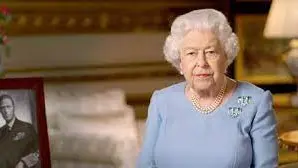


An intertwining on the edge of reality, the fiction of the highly acclaimed series The Crown almost becomes the inspiring element of the event most feared by the citizens of the Channel: the new “D-day”, the day of the death of Elizabeth the second. There is already the sentence ready to photograph the event that will change the history of the Windsors: “London bridge is down”, the London bridge has fallen. And the details of the protocol filtered by court circles on the dramatic moment in which the queen who took the throne of England more than 68 years ago will close her eyes seem to belong to a film script. Let's be clear: we are talking about a lady who at 95 is still in excellent health and an issue - her succession - which has been discussed for over half a century, practically since the Beatles were still together and England was winning the his only football world championship. But it is the details of the ritual that make the events related to His Majesty and all the dynamics of the life of Buckingham Palace fascinating once again to the eyes of the world.
The first phone call
It will be Elisabetta's personal secretary who will start the phone call that will inform the prime minister of mourning, with the dry phrase “London is bridge is down”. At that point the report will be sent to the Press Association, which will make a very short press release to spread the news to the world. The D-day will take shape, with the following days that will be called D-day +1, +2 and so on, until the end of the mourning period. Within ten minutes, all the flags of the Kingdom will have to slide at half mast. The Foreign Ministry office will communicate the news to the governments of the 51 member states of the Commonwealth of Nations. The order will be given to mobilize the armed forces to manage the inevitable human tide that will pour into London. For four days the coffin will be displayed in the throne room of Bukingham Palace, then it will be moved to Westminster and presented to the public for another four days. The social profiles of all major British institutions will be listed in mourning with a black banner. Each BBC channel will interrupt broadcasts to tune into a single channel where the death event will be followed live. The TV hosts will dress in mourning, with a ready-made black suit.