

Symbol par excellence of solidarity between peoples and of sport that transcends all borders, the Olympic Games are the moment in which we all find ourselves together, with bated breath, cheering for the greatest athletes around. The Olympics remain, in fact, a collective rite, even if almost 3000 years have passed since their birth in ancient Greece and one hundred and thirty years separate us from the now distant 1896 when the event was reborn on the initiative of Pierre de Coubertin, a French baron in love with classical world.
In ancient times the Olympics, born in 776 BC, were an event deeply linked to religion, so much so that violating the rules was considered a sacrilege, while a victory was interpreted as a sign of divine predilection. The importance of the games grew to such an extent that starting from the 4th century BC the Olympics were adopted as the basic criterion for dating the years. The Olympics were thus repeated 294 times until the year 393 AD, when they were suppressed by the Roman emperor Theodosius I. In modern times they have lost the character of a sacred event, becoming the most important sporting event in the world. Today they are still the moment in which an athlete can change her competitive history and her life. They are business, entertainment and propaganda for the cities that host them. They are still today a moment of self-representation for the organizing nation and of demonstration of "strength" - fortunately only athletics - for the participating States.
Above all, the Olympics offer emotions, unforgettable moments, heroes and heroines, positive and also negative characters. The journalist Luca Pelosi demonstrates this to us with "The great book of quizzes on the Olympics" (Newton Compton Editori, 2024, Euro 12.90, pp. 256. Also Ebook), a volume which through 500 questions and answers reveals the secrets of the Olympic Games putting ourselves to the test. Who is the athlete with the most medals in the history of the Olympics? And who was the first woman to stand on the podium? What was the “greatest basketball game in history”? And the most sensational disqualification of the games?
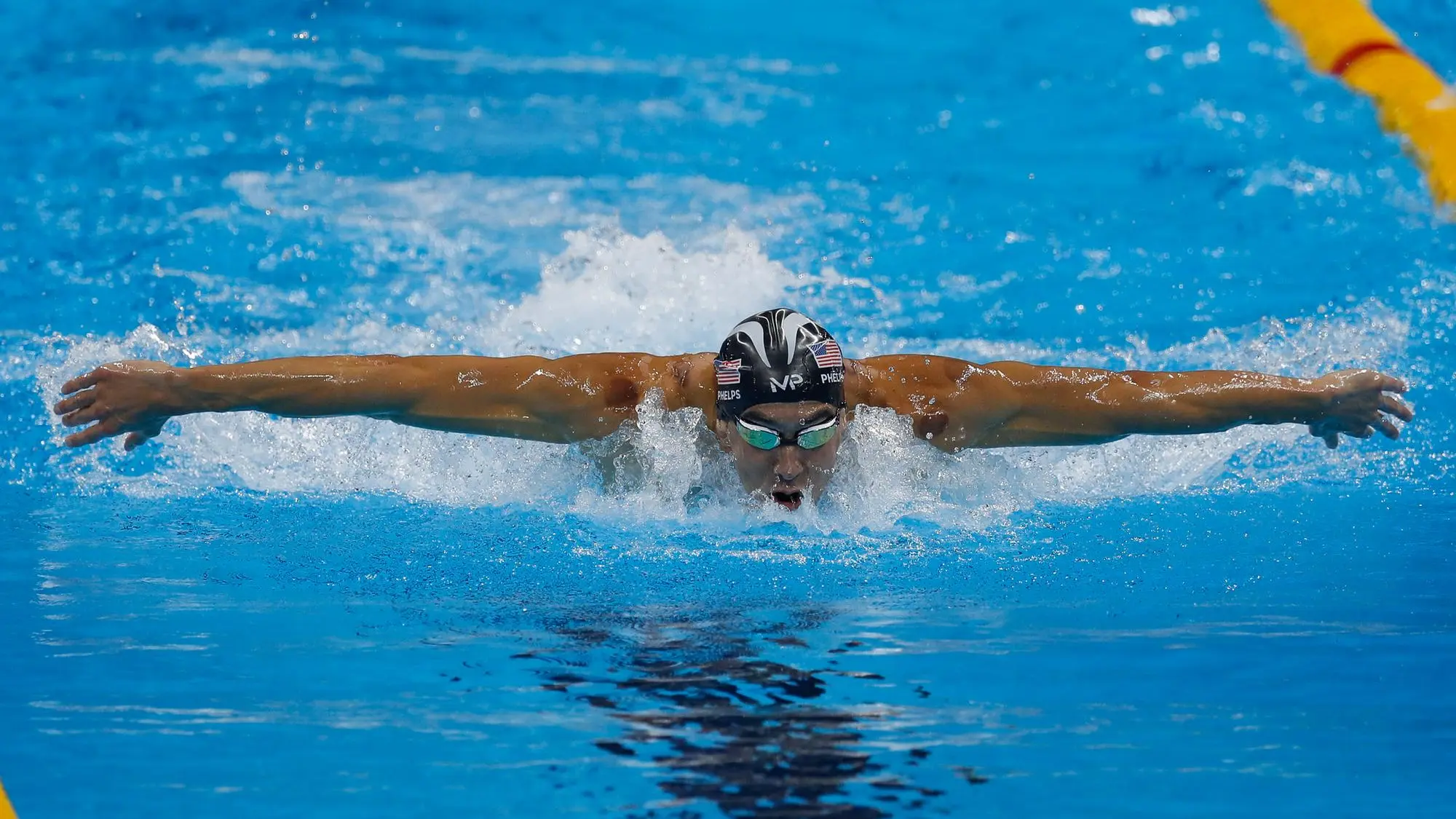
For the first question we give you help. The athlete who has won the most medals at the Games is the American swimmer Michael Phelps, capable of obtaining twenty-three golds, three silvers and two bronzes in four Olympic editions between 2004 and 2016. A number of successes as impressive as the many stories are surprising evoked through the quizzes in the volume. The stories of the competing athletes and the disciplines involved speak, in fact, of immortal themes: wounded pride and great revenge, friendships and rivalries, unmasked cheating and fairytale love stories. They talk about defeats and triumphs capable of creating myths.