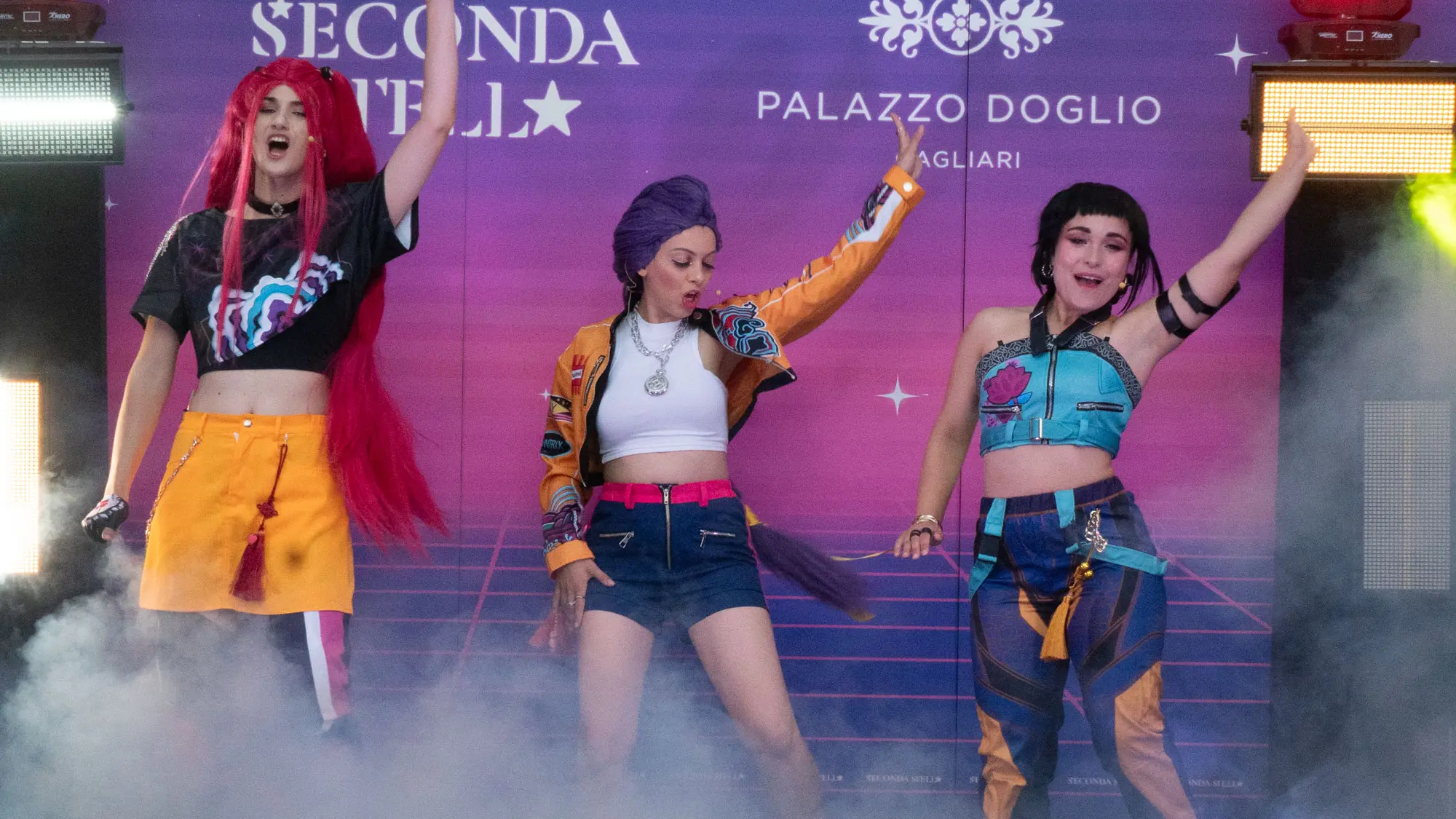


Infectious choruses, spectacular music videos, meticulously crafted choreography. The perfect formula of Seoul-born K-Pop has also conquered Cagliari, as demonstrated by the resounding success of last night's event at Palazzo Doglio, the "K-Pop Family Dinner Show," which brought the long Korean wave that has captivated the world over the past twenty years to the heart of the capital.
Between live performances, mini dance classes, games and creative workshops, and small interactive experiences led by the animators of Seconda Stella, the event's partner, children and parents found themselves immersed in the colorful imagery that has transformed groups like BTS and Blackpink into global superstars. And "K-Pop Demon Hunters," the animated film that has shattered all records on streaming platforms in recent months, is just the tip of the iceberg.
The revolution
Because the K-Pop phenomenon, a massive industry worth around $5 billion with 89 million fans across 113 countries, 16 million monthly listeners on Spotify, and countless concerts across continents, is no longer a niche for children and teenagers but the result of two decades of cultural evolution that have transformed South Korea into an entertainment superpower. Experts call it "Hallyu," a revolution that has exported music, but also TV series (like "Squid Game"), cinema (the Oscar-winning film "Parasite," to name one), fashion, and, in recent trends, even cosmetics.
The roots
The genre's pioneers date back to the 1990s and early 2000s, when groups like Big Bang, Girls' Generation, SHINee, and Super Junior built a model destined to become a model: pop songs fused with hip hop, R&B, funk, and disco, hypnotic looks, and an almost obsessive connection with their fans. But in 2012, something extraordinary happened: with PSY and the hit "Gangnam Style," a Korean music video invaded Western television, radio, and social media for the first time, reaching one billion views on YouTube.