

ASVI Sardinia is also part of the committee seeking UNESCO recognition for Italian equestrian arts, traditions, and cultures. On Friday, during Fieracavalli in Verona, the work plan of the Promotion Committee established on March 3, 2026, at the National Council of Equestrian Federations (CNEL) will be presented. This is a Memorandum of Understanding signed by ten entities from the Italian equestrian world, including ASVI Sardinia, which not only manages and promotes the island's various equestrian sectors, from breeding to sport, but also continues to protect its historical heritage.
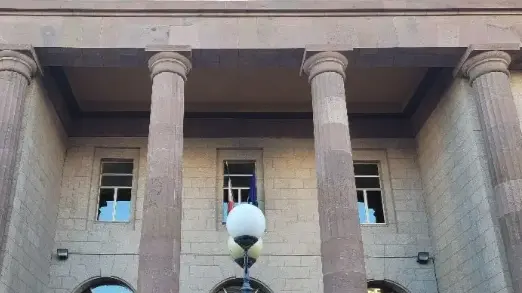
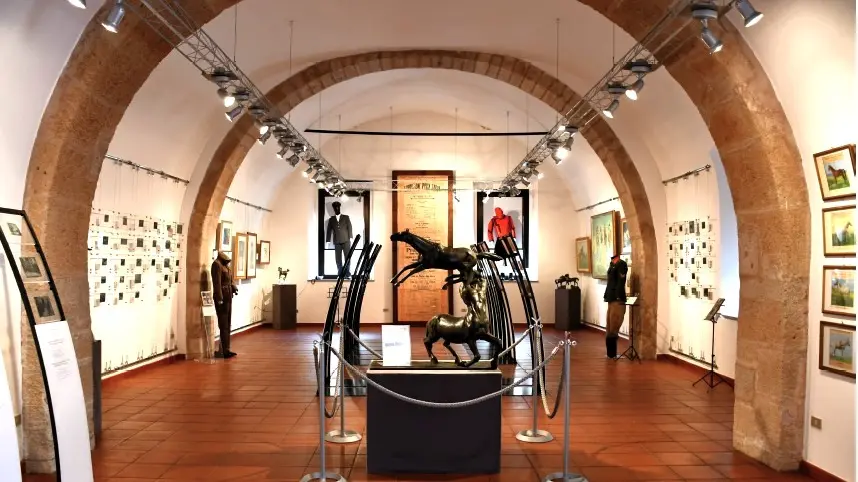
It is no coincidence that the headquarters of the Regional Agency for the Development and Promotion of Horse Racing is in Piazza Duchessa Borgia, in Ozieri, in the Baronial Palace which housed the Royal Stallion Depot , established in 1874 by King Vittorio Emanuele II, a building which later became the headquarters, in 1956, of the Sardinian Horse Breeding Institute, and for a few years of the Equestrian Services of the Agris agency.
ASVI is part of a consortium also comprising Anam, Anareai, Asi Equestrian Sports, the Regional Horse Breeding Center of Santa Maria Capua Vetere, Fieracavalli Verona, FISE, Fitetrec-Ante, the Italian Horse Art and Entertainment Forum and Equestrian Theater Ets, and the Horse Breeding Institute for Sicily.
The project
The goal is to connect and document knowledge, experiences, and practices developed in various fields, contributing to a comprehensive vision of Italian equestrian arts, traditions, and cultures, with a view to possible future recognition as a UNESCO Intangible Cultural Heritage. This heritage encompasses popular and chivalric traditions, the Alta Scuola, working mounts, breeding, horse racing, and sports, along with contemporary expressions of equestrian performance and theater. Not to mention the unique characteristics of Sardinia, the only Italian region to boast a horse-based event ( ardia, joust, religious procession, pairs, and more ) in virtually every town, demonstrating how deeply rooted the horse is in the island's tradition and culture.