





L'Unione Sarda English
Read
ITA|ENG|DEU|RUS|CIN
L'Unione Sarda English
Read
Read the newspaper
L'Unione Sarda English
Read
ITA|ENG|DEU|RUS|CIN
Read the newspaper
L'Unione Sarda English
Read
LEGGI IL QUOTIDIANO
LEGGI IL QUOTIDIANOOggi 28 November
L'Unione Sarda English
Abbonati
ITA|ENG|DEU|RUS|CIN
videolina Linkradiolina linkSardegna 1 linkVai online linkPBM link
Read the newspaper
L'Unione Sarda English
Subscribe
L'Unione Sarda

Iniziative Editoriali

  • Biblioteca dell'identità

Account

  • Abbonati
  • LEGGI IL QUOTIDIANO
ABBONATI A L’UNIONE SARDA

SCARICA L'APP L'UNIONE DIGITAL

Download GoogleDownload apple
videolina Linkradiolina linkVai online linkPBM link

2021 L'Unione Sarda S.p.A. Tutti i diritti riservati. É vietata la riproduzione, anche parziale e con qualsiasi mezzo, di tutti i materiali del sito. | Indirizzo della Sede Legale: Piazzetta L'Unione Sarda nr. 24 | Capitale sociale 11.400.000,00 i.v. | Codice Fiscale ed iscrizione presso l'Ufficio Registro Imprese di Cagliari 01687830925 (P.I. 02544190925) | REA: CA-136248

Cookie e Privacy PolicyModifica impostazioni privacyInformativa commentiCorporate
L'Unione Sarda

News

  • Cronaca Sardegna
  • Economia
  • Salute
  • Cultura
  • Sport
  • Gossip
  • Turismo

Servizi

  • Necrologi
  • Annunci
  • Pubblicità
  • Contatti

Bella Sardegna

  • Spiagge

Iniziative Editoriali

  • Biblioteca dell'identità

Account

  • Abbonati
  • LEGGI IL QUOTIDIANO
ABBONATI A L’UNIONE SARDA

SCARICA L'APP L'UNIONE DIGITAL

Download GoogleDownload apple
videolina Linkradiolina linkVai online linkPBM link

2021 L'Unione Sarda S.p.A. Tutti i diritti riservati. É vietata la riproduzione, anche parziale e con qualsiasi mezzo, di tutti i materiali del sito. | Indirizzo della Sede Legale: Piazzetta L'Unione Sarda nr. 24 | Capitale sociale 11.400.000,00 i.v. | Codice Fiscale ed iscrizione presso l'Ufficio Registro Imprese di Cagliari 01687830925 (P.I. 02544190925) | REA: CA-136248

Cookie e Privacy PolicyModifica impostazioni privacyInformativa commentiCorporate
Venezuela: Trump faces a test of international law
(Handle)
Resta informato su WhatsApp
FacebookX
LinkedIn
WhatsApp

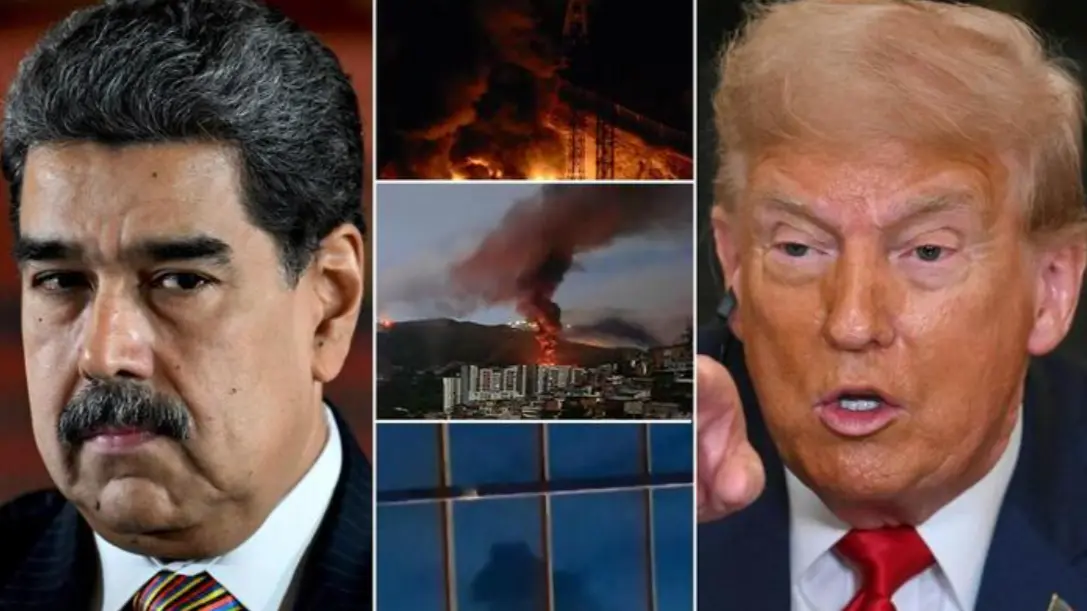
Following the attack carried out by the United States on the orders of Donald Trump, Venezuelan president Nicolás Maduro, accused by Washington of drug trafficking, was captured and arrested along with his wife by Venezuelan special forces, and immediately taken out of the country.

Pursuant to the Venezuelan Constitution, power has been transferred ad interim to Maduro's vice president, Delcy Rodríguez , who is expected to call elections within 30 days, so that the newly elected president would serve a six-year term. However, according to news agencies, Donald Trump declared, on the one hand, that the United States "will lead the country to a safe, proper, and sensible transition," adding, moreover, that "we don't want to be involved, nor do we want anyone else to take their place and find themselves in the same situation we've been in for the past many years," and, on the other, that the United States would "lead" with "full access to oil."

Meaning, among other things, that Maria Corina Machado, Nobel Peace Prize winner, would not be considered suitable for the position , since, according to what Donald Trump himself declared to the press, she "does not enjoy enough respect in the country".

This is the situation that has arisen. And questions about the legitimacy and correctness of the action/attack ordered by the President of the United States are swirling, creating considerable uncertainty about the potential consequences and international balances, already strained by existing conflict scenarios. To begin with, what happened to the so-called principle of non-interference enshrined in the United Nations Charter , Article 2, point 7 (1945) and in the Declaration of Fundamental Principles of International Law contained in UN Resolution 2625 of 1970? Is there anyone who can consider themselves "legibus solutus," that is, above the law?

The answers would clearly appear to be consistent, even if, at this stage, they are not unequivocal. First, because, based on the content of the aforementioned Article 2, point 7, of the United Nations Charter, it would not appear permissible, and in fact it is not, to use force, and/or any subversive/disruptive activity whatsoever, whether conducted directly or indirectly, and/or any economic or political behavior aimed at limiting the freedom of government, good or bad, of a sovereign state, in order to influence it to the will of another.
© All rights reserved

Argomenti similiSLOT_15
  • Vernice indelebile
    Caffè Scorretto

    Vernice indelebile

    Antonio Masala

Articoli correlati

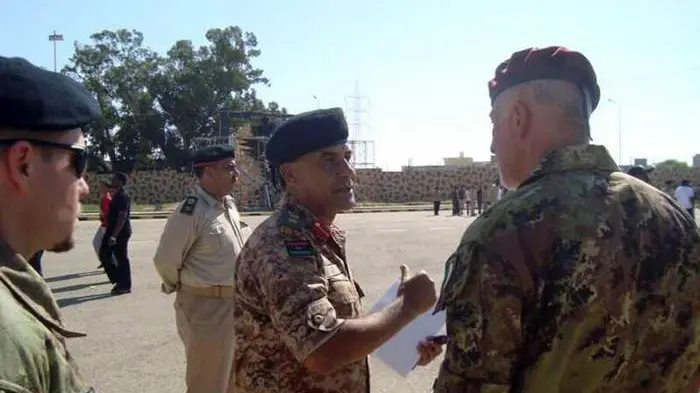
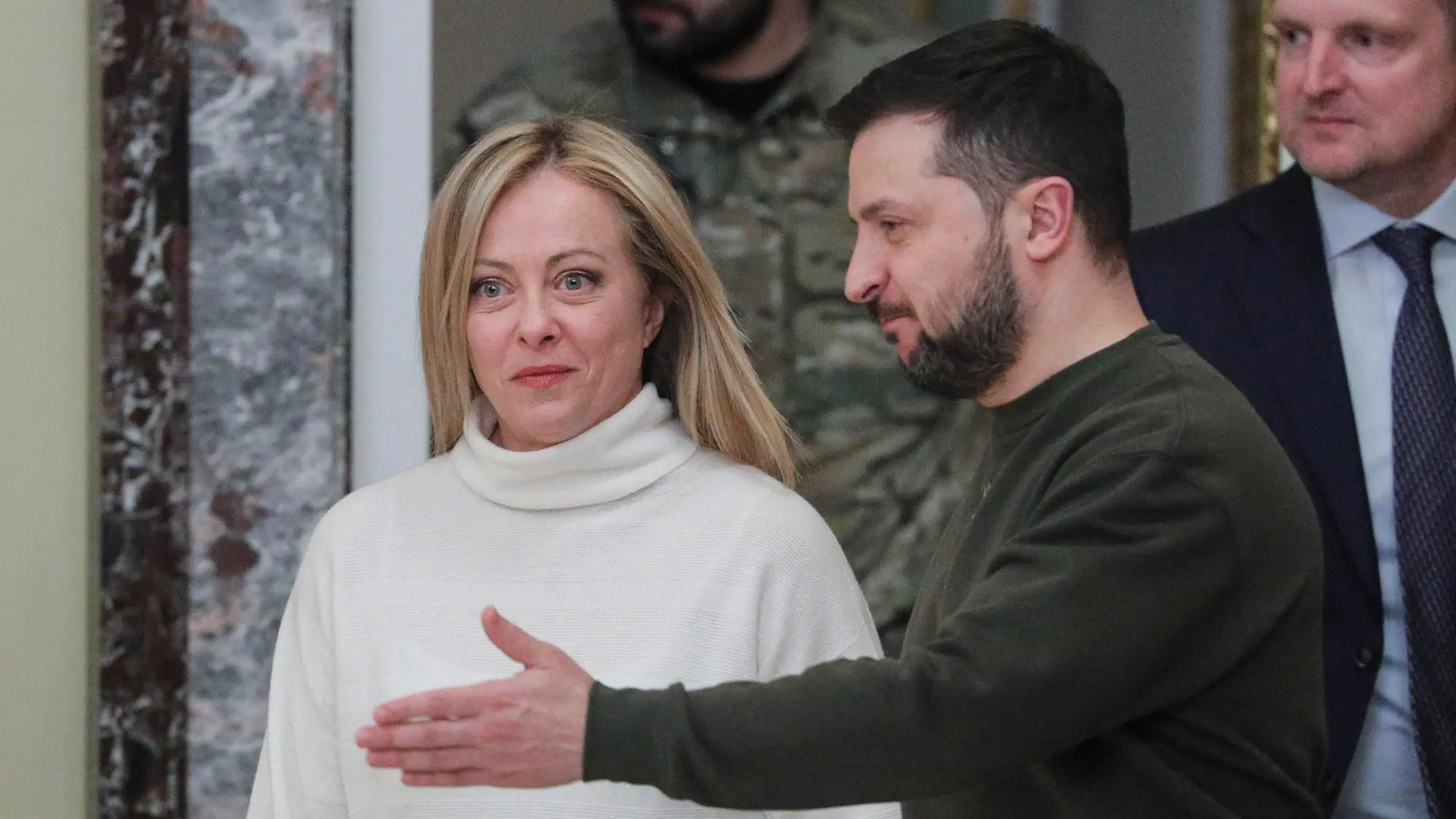
Benghazi raid, Zelensky backtracks. He calls Giorgia Meloni and apologizes: "Partners were not notified."
The case

Benghazi raid, Zelensky backtracks. He calls Giorgia Meloni and apologizes: "Partners were not notified."

In an interview with the BBC, the Ukrainian leader spoke of "coordination with allies." Crosetto and Tajani denied this, sparking controversy among the opposition over the government's attack, and th…
Ukrainian raids in Libya, Zelensky: "We coordinated with our partners." Tajani: "That's not true."
the case
HomeWorld
the point of view

Venezuela: Trump faces a test of international law

An analysis of the US military blitz between the principle of non-interference and the illegitimacy of armed intervention.
5 gennaio 2026 alle 11:04

Ukrainian raids in Libya, Zelensky: "We coordinated with our partners." Tajani: "That's not true."

The Kiev leader told the BBC: "Our allies knew we would strike Moscow in Benghazi." Rome denied it. The opposition asked: "Which of the two is lying?"
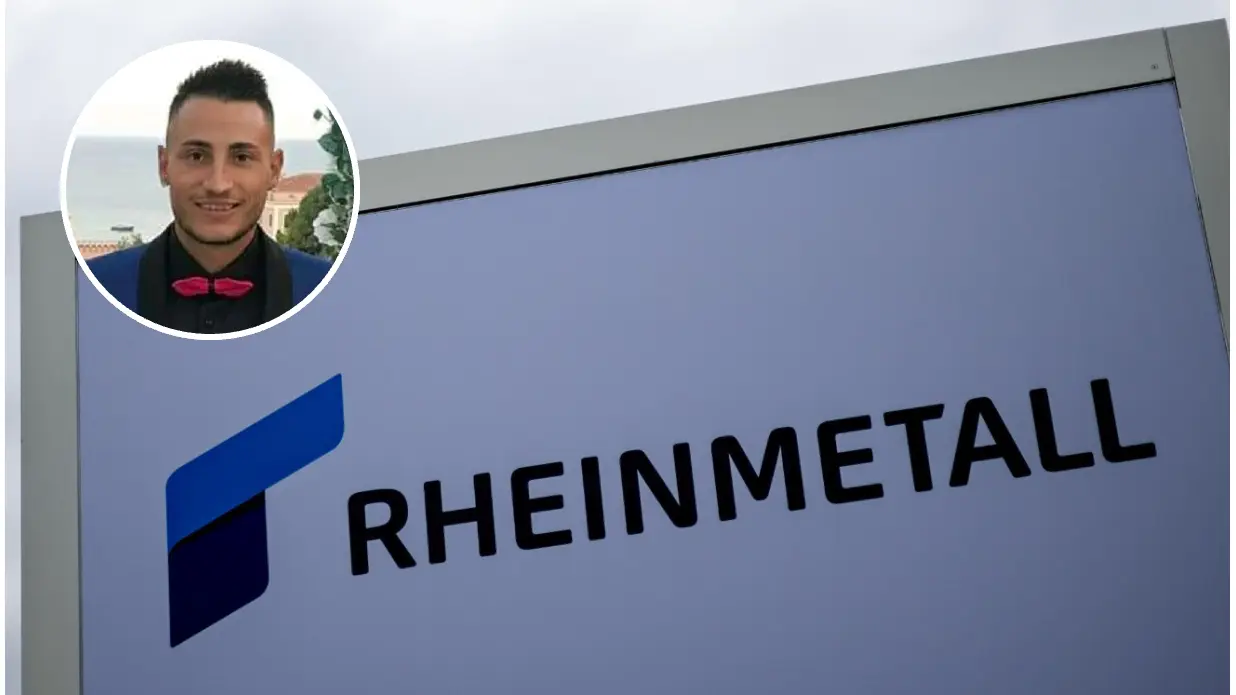
Rheinmetall technicians killed in Kuwait, colleagues mourn: "They were highly valued workers."
Condolences

Rheinmetall technicians killed in Kuwait, colleagues mourn: "They were highly valued workers."

Group employees hold a meeting and strike: "Bring home all employees in the most exposed areas."
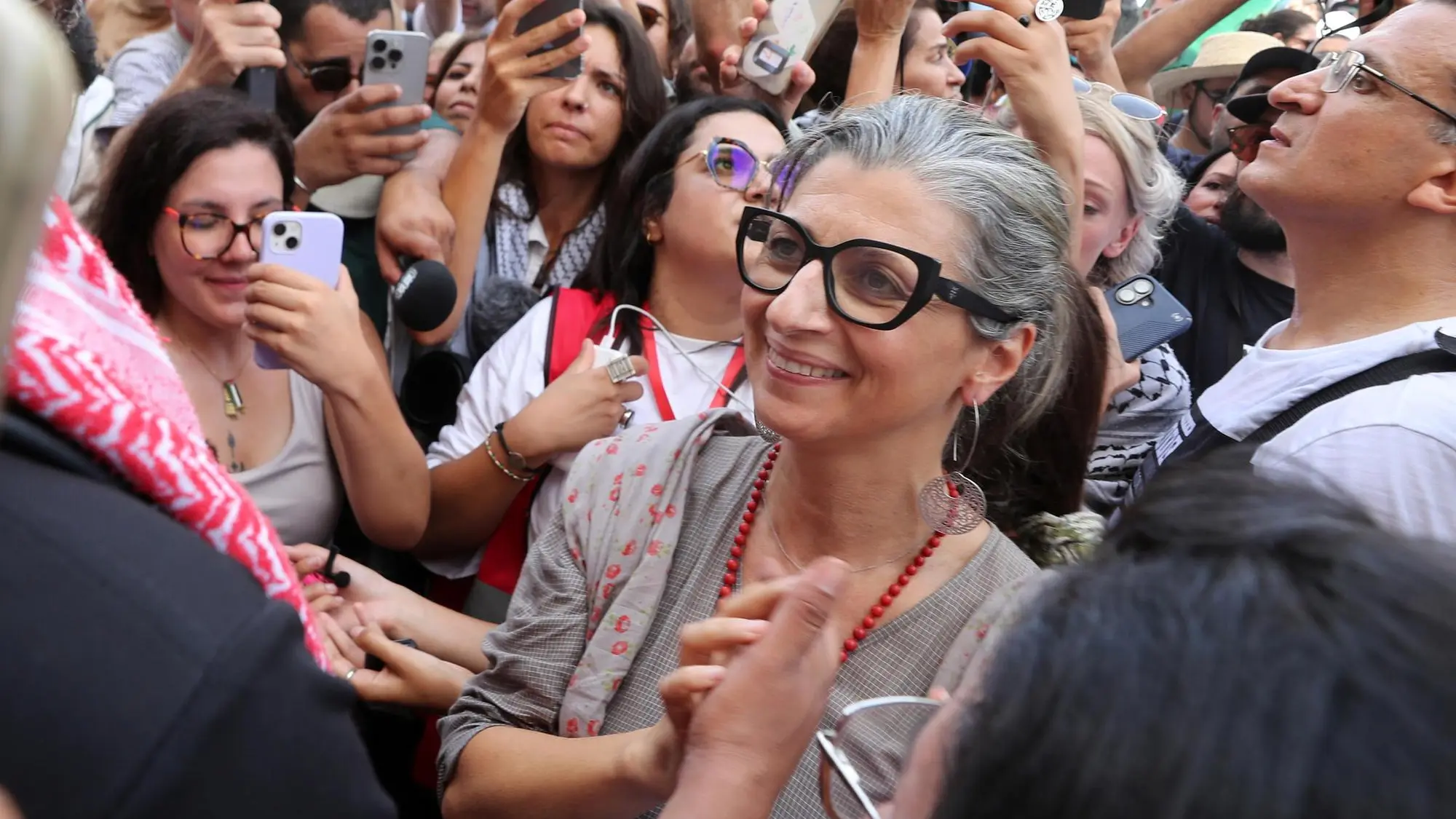
Costa Rica rejects Francesca Albanese, UN rapporteur for the Palestinian territories.
foreign

Costa Rica rejects Francesca Albanese, UN rapporteur for the Palestinian territories.

The reply: "You know the true face of authority when you cause trouble." Israel applauds.
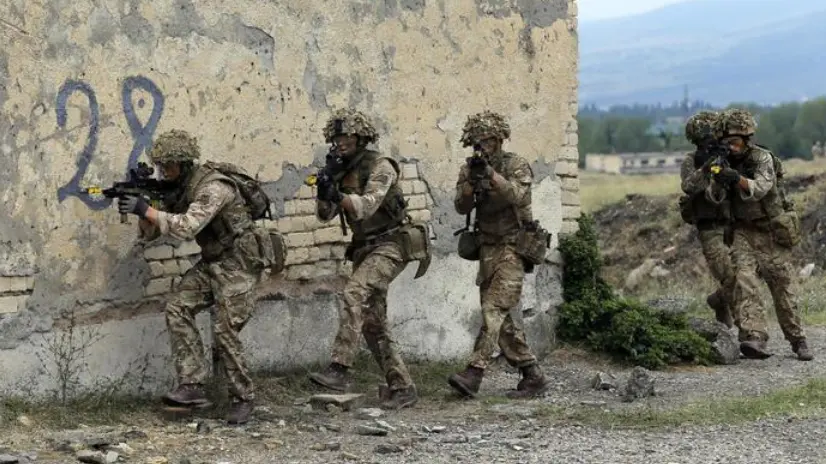
London: 100,000 reservists on alert to be ready for war
Great Britain

London: 100,000 reservists on alert to be ready for war

The Defense Minister: "We are worried."
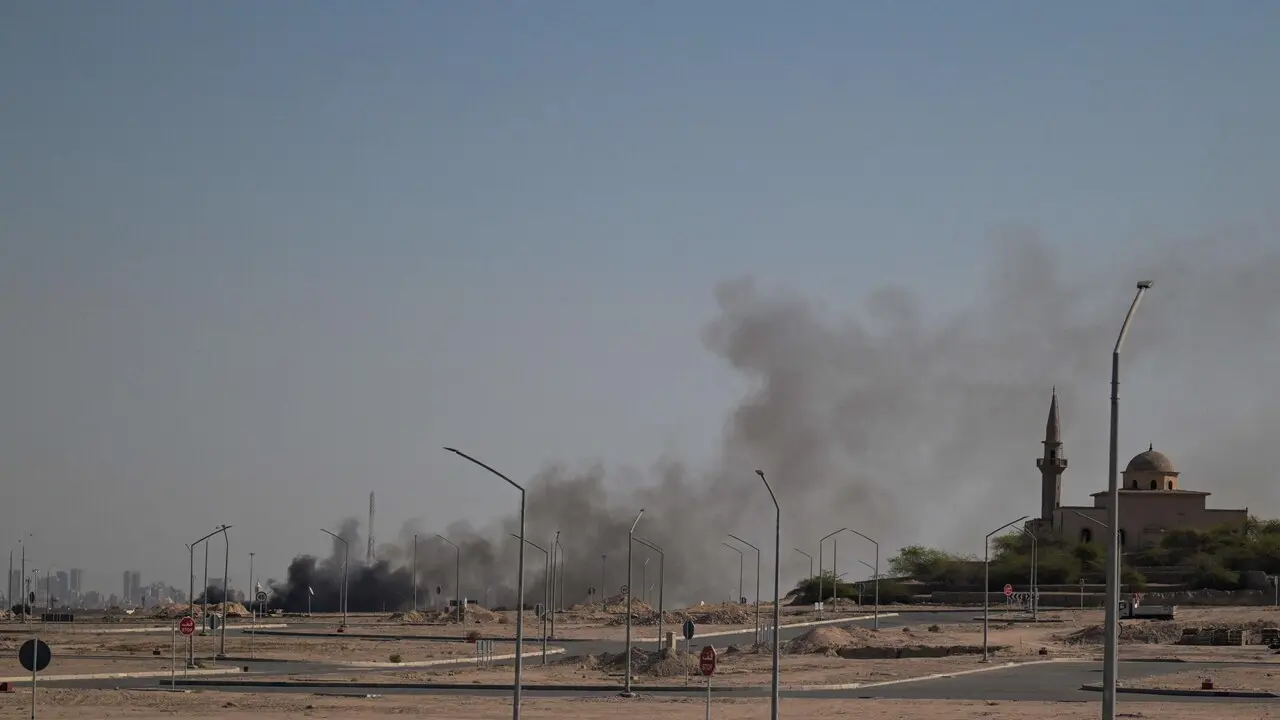
Kuwait: Two Rheinmetall technicians killed in an "Iranian drone attack." The response: "We reject the accusations."
middle East

Kuwait: Two Rheinmetall technicians killed in an "Iranian drone attack." The response: "We reject the accusations."

The victims are Antonio Saccoccio and Emanuele Lo Russo: they were reportedly mortally wounded by shrapnel from "hostile" aircraft intercepted by local armed forces.
Meloni's warning after the Ukrainian attacks in Benghazi: "Don't let the war spread."
Libya

Meloni's warning after the Ukrainian attacks in Benghazi: "Don't let the war spread."

Towards a strengthening of measures for the approximately 200 of our compatriots employed between Tripoli and Misurata
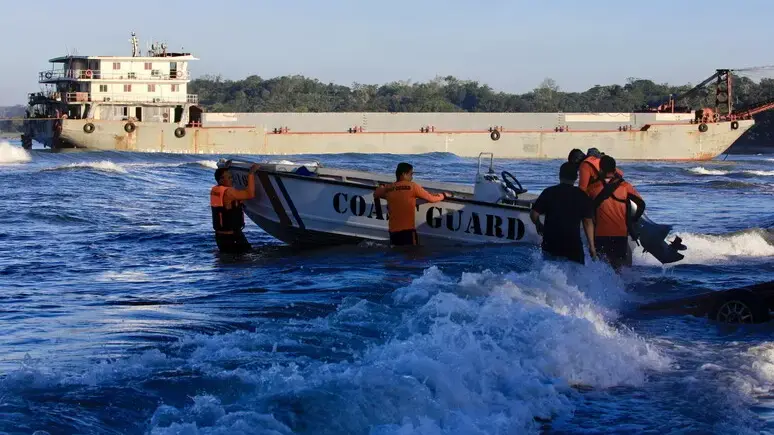
Merchant ship carrying 7,000 tons of diesel sinks off Ibiza, killing one.
Spain

Merchant ship carrying 7,000 tons of diesel sinks off Ibiza, killing one.

The Med Emre vessel, carrying a chemical cargo, was heading from Barcelona to Algeciras
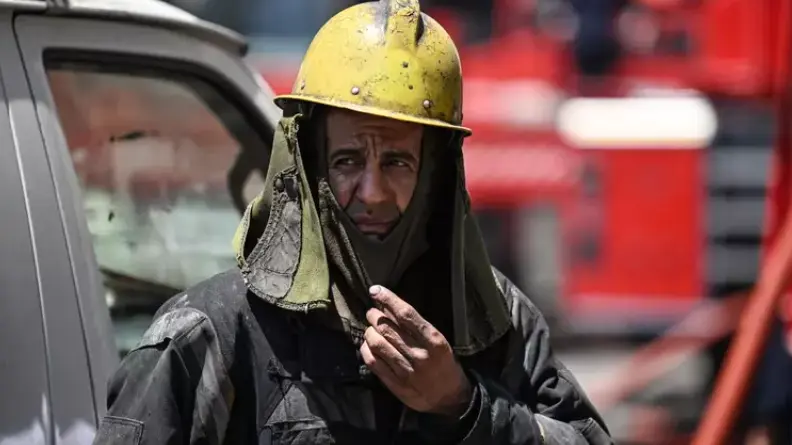
Truck carrying gas canisters explodes, killing dozens in Cairo
Egypt

Truck carrying gas canisters explodes, killing dozens in Cairo

The accident occurred on a ring road not far from the city centre

Therefore, why should a rule of conduct of international importance be respected as a cardinal principle of supranational behavior, in order to prevent anyone, in the near future or in the future, from believing they can do the same against any existing sovereign state, creating and spreading a climate of destabilizing uncertainty potentially capable of generating a sort of introversion of national policies, all with a preventive defensive function?

Finally, why does the alleged legitimacy of the attack against the Venezuelan regime, considered a "non-democracy" (if I may use the expression), clash with Donald Trump's own statements directed at Greenland, also reported by the press: "We need Greenland for national security reasons," as it is "full of Russian and Chinese ships everywhere." Yet, Greenland, unlike Venezuela (according to the Tycoon's ideological motivation for launching the attack on the night of January 3, 2016), appears to be exercising, and does exercise, its political action within a framework of parliamentary representative democracy under Danish control? So, what would be the ultimate outcome of Trump's new vision? It would seem (and the doubtful formula is necessary) that the President of the United States of America wants, with his own policies, which are evidently not unanimously shared if carried out with the use of force, to increase the US sphere of influence in the nerve centres of direct interest.

A decisive intervention by the UN and the international community would be important, capable of re-establishing the violated International Order by directing it towards respect for the principle of self-determination of peoples, the rejection of war and any systematic use of force as a mechanism of international antagonism.

Today, more than ever , the European Union, in its complex composition—that is, with all its Member States— should intervene to uphold existing international principles and to offer its concrete and active contribution to the development and affirmation of an internationalism respectful of the universalistic principle of rights and social and economic equality.

Otherwise, the risk would be to be overwhelmed by the centrifugal and centripetal dynamics of the major world powers, both Western and Eastern, where the interplay of historic alliances would seem like a faint memory. Moreover, this is what appears to be already happening, and has happened, in the negotiations to reach a resolution to the Russian-Ukrainian conflict.

The time has come for the European Union to resolutely reaffirm its international role as a "Middle World" between superpowers , as a guarantor of the universal principles on which it was founded, and thus as a bulwark of human dignity, freedom, justice and democracy, of the principles of the rule of law and human rights, and therefore as the promoter of peace that it has always been.

Giuseppina Di Salvatore