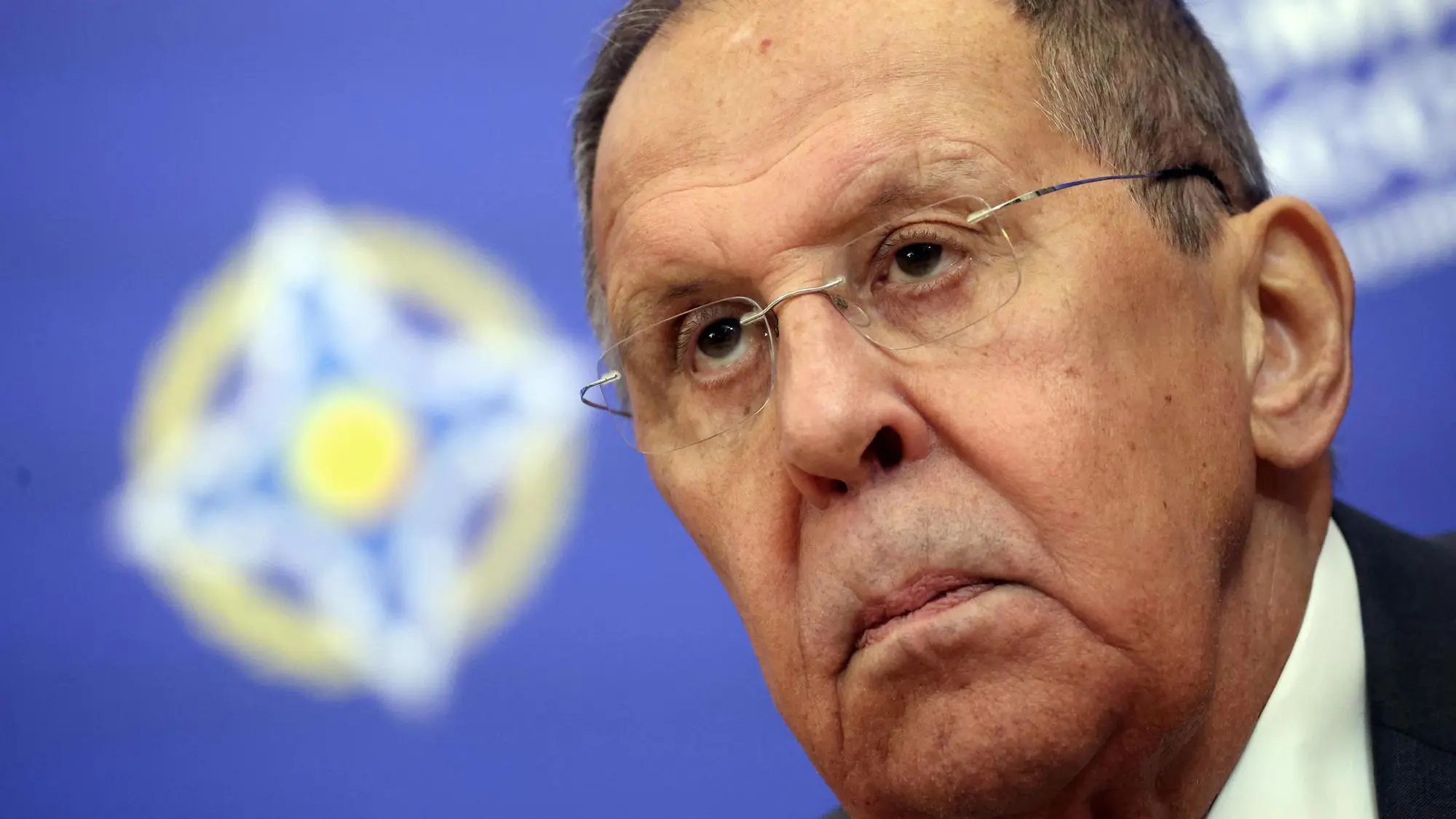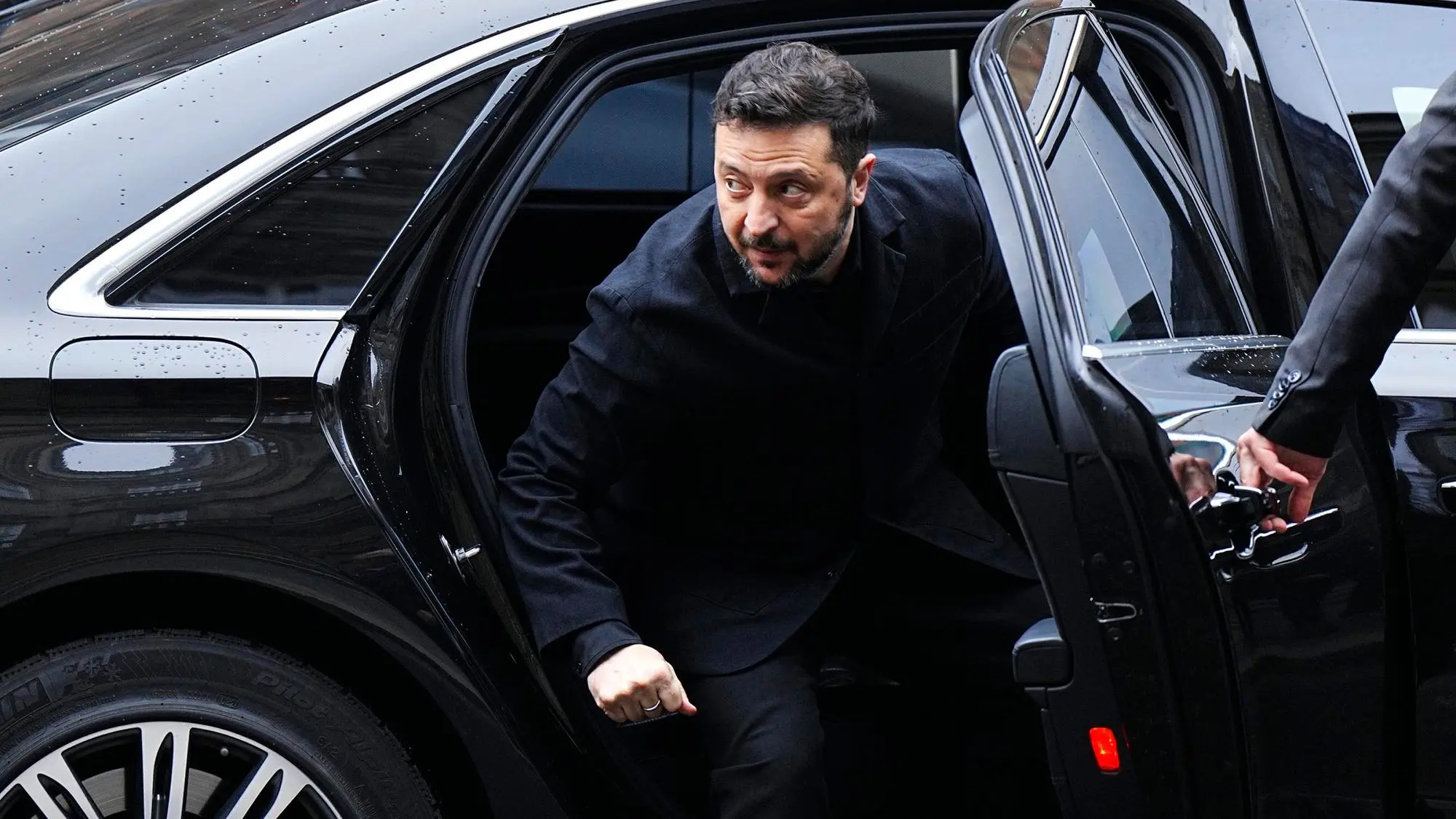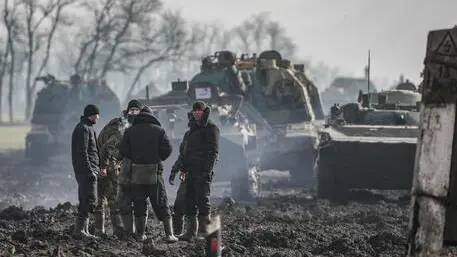


Peace between Russia and Ukraine is reportedly close. Consideration is being given to including Ukraine in NATO in exchange for the transfer of Donbass to Russia. Such, at least, are Washington's intentions, according to media reports. But there's a long way to go between words and actions, and, in any case, Zelensky, as a precaution, wanted to clarify both that such a decision cannot be made unilaterally, but must instead be consulted by the population through a referendum, and that any agreement would need to be accompanied by concrete security guarantees.
Naturally, this would be no problem, if it weren't for the aims/desires expressed in Abu Dhabi by Vladimir Putin's Russia, which intends (the use of the conditional is imperative) to reconstitute a world order and a new European balance based on separate spheres of influence. In other words, while NATO membership represents a concrete goal for Ukraine, for Russia it could continue to represent an obstacle to the agreement.
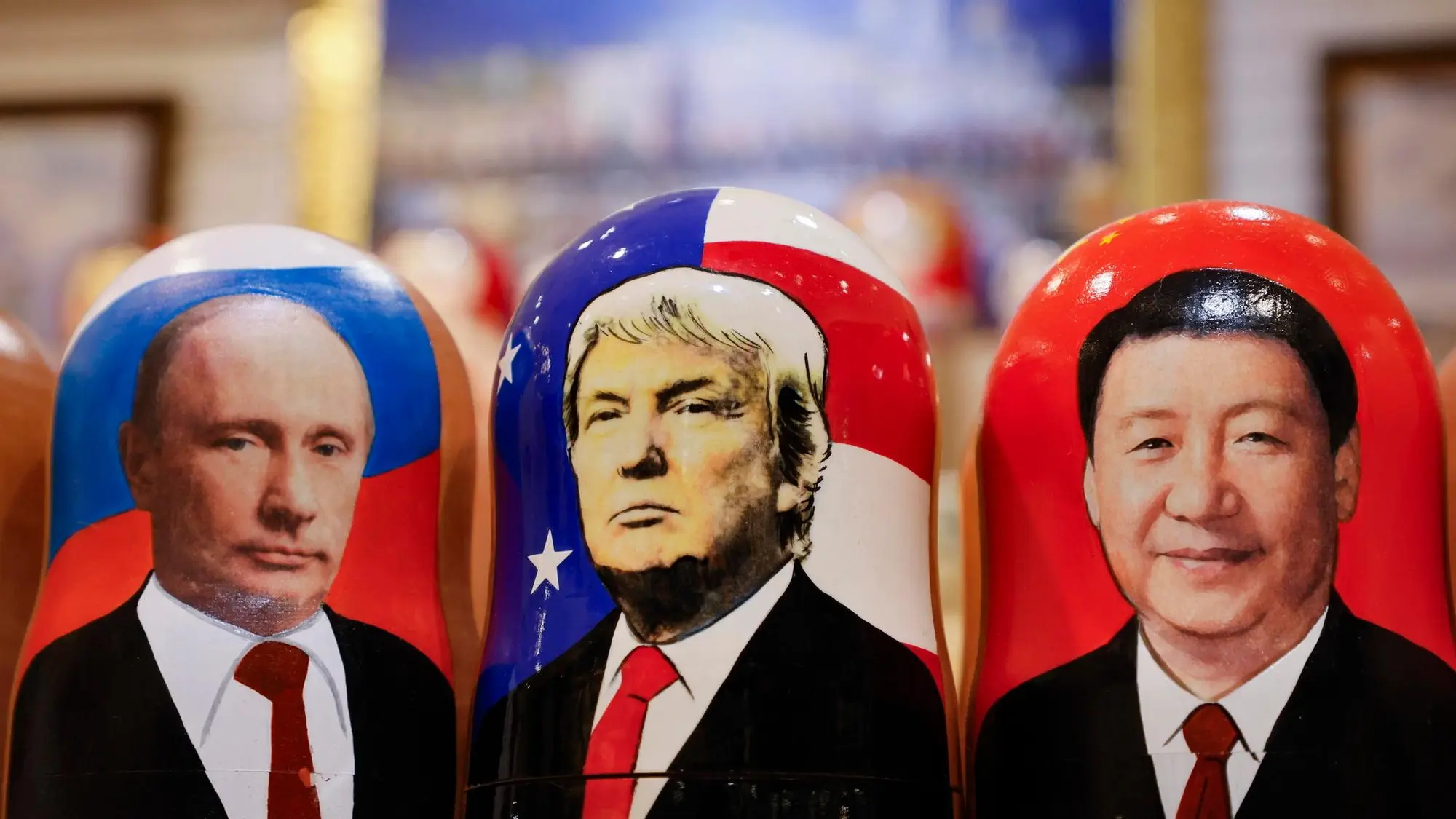
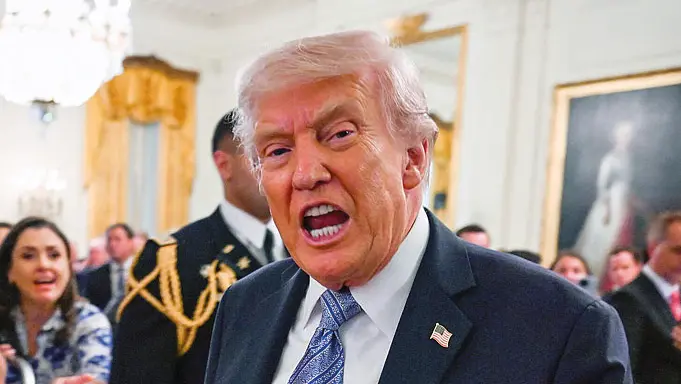
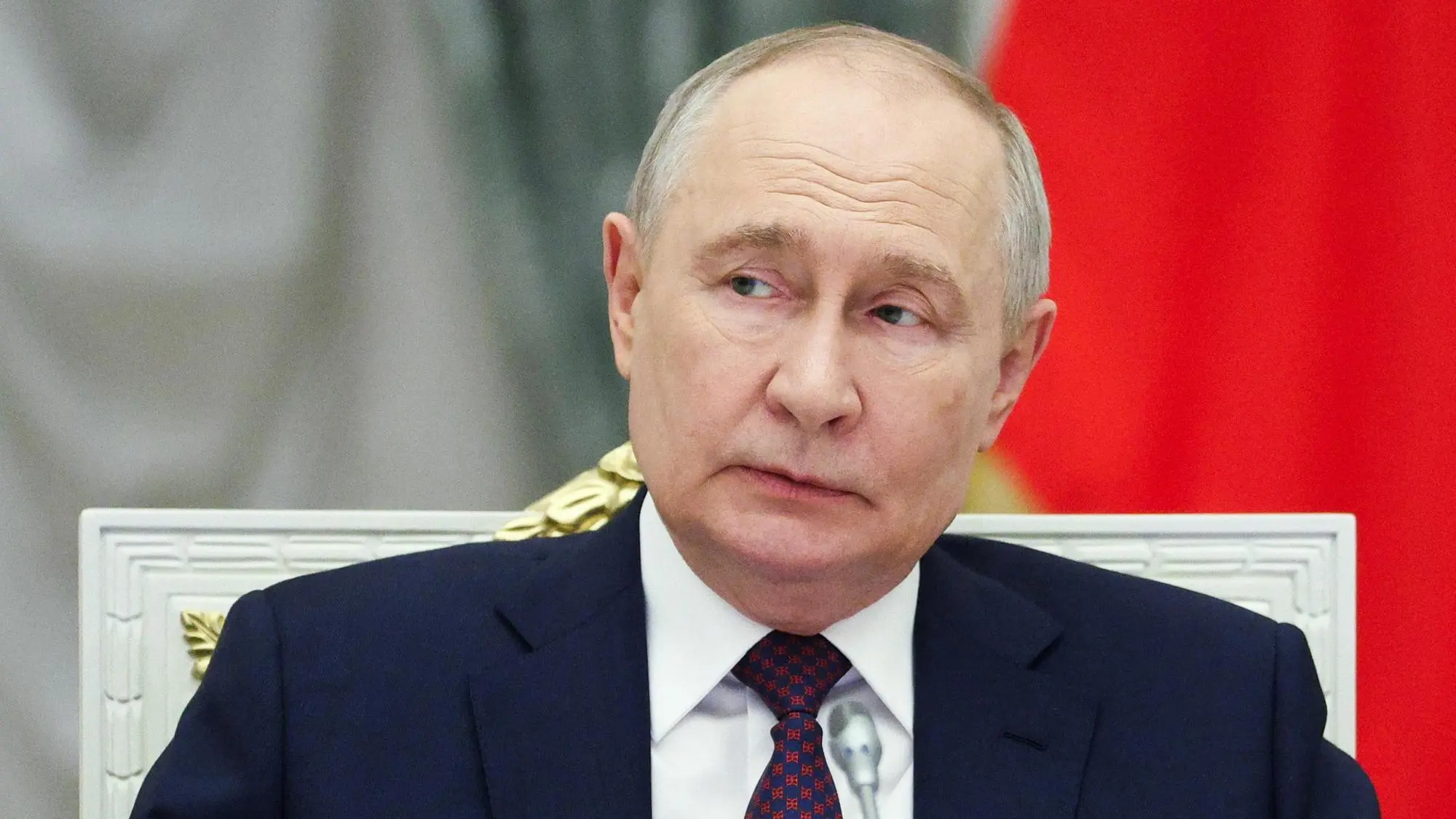
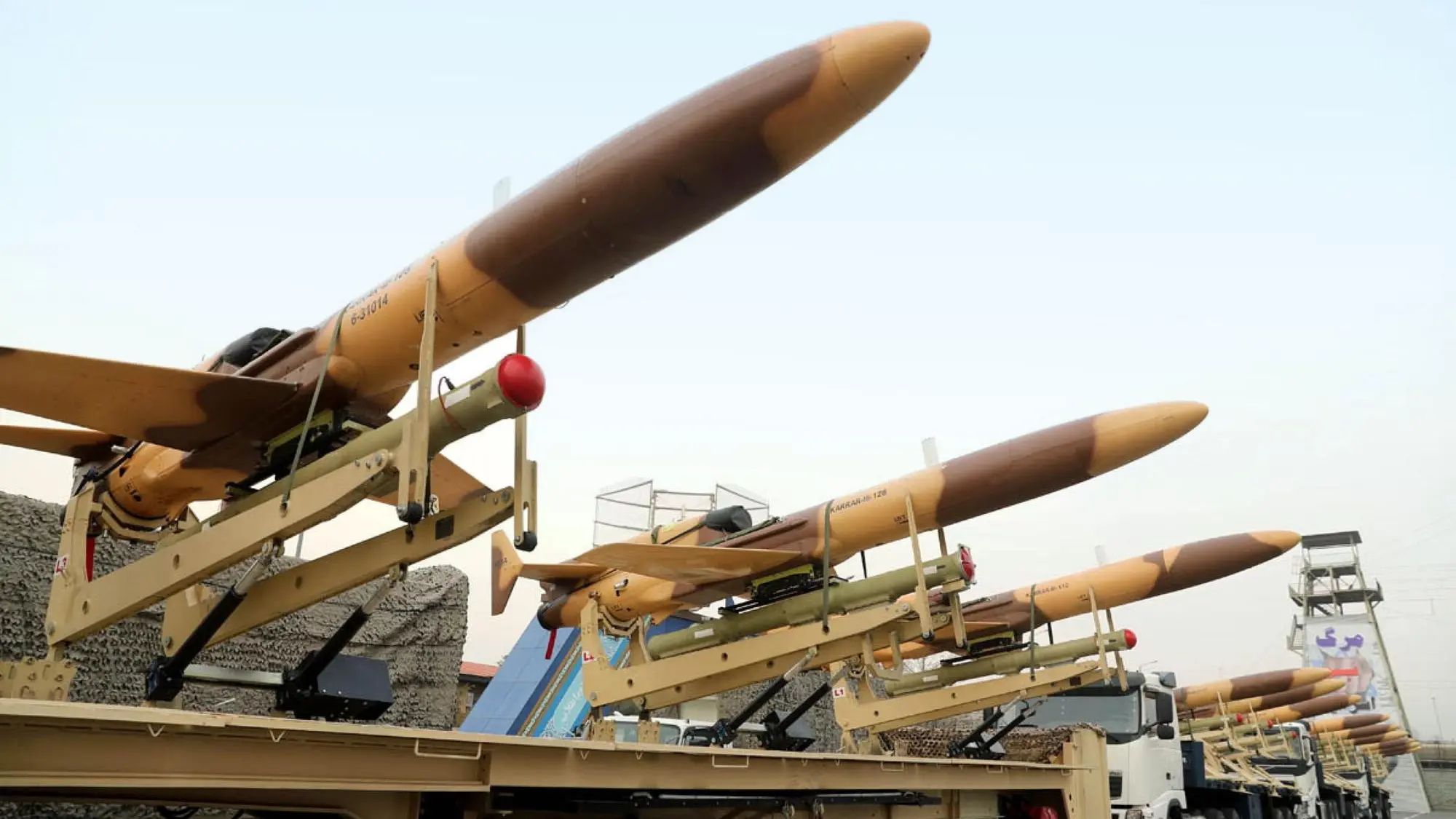
In short, the possibility of a potential agreement is still evolving; there are many variables to consider, and nothing seems to be a given. This is especially true when considering, in terms of strategic parallels and various internal mindsets, that Donald Trump, Xi Jinping, and Vladimir Putin are expected to meet (barring any changes in the schedule) on November 19th in Shenzhen, China, right on the sidelines of the Asia-Pacific Economic Cooperation (APEC) summit. This would constitute the first major trilateral summit between the three, but it would perhaps be more accurate to speak of an approach/confrontation between global powers on thorny issues such as the war in Iran and the reduction of nuclear arsenals. Ukraine (perhaps) shouldn't be discussed, but the upcoming November 19th meeting could very likely mark a strengthening of America's "strategic closeness" to Russia.
Dialogue, as we know, should be the preferred means of resolving any dispute, but what happens if that same "dialogue" only excludes the next global leaders? The European Union currently appears excluded from the decisions that matter. Gone are the days, almost forgotten (perhaps intentionally), when Mikhail Gorbachev (Nobel Peace Prize winner in 1990), with his social-democratic vision, dreamed of building a unified Eurasia, with its key sensitive centers in Brussels, Moscow, Vladivostok, and Ankara. A new arena in which there was no longer any provision for military alliances. And above all, a space in which Europe, with its geographical, even more strategic, centrality, had a fully recognized and significant role.