

Putin's anger over Kiev's attacks: "The Russian economy is damaged, we will take revenge."
Russia is beginning to feel the pinch, but the Tsar reassures: "The situation on the ground is unchanged, the pace of our advance is increasing."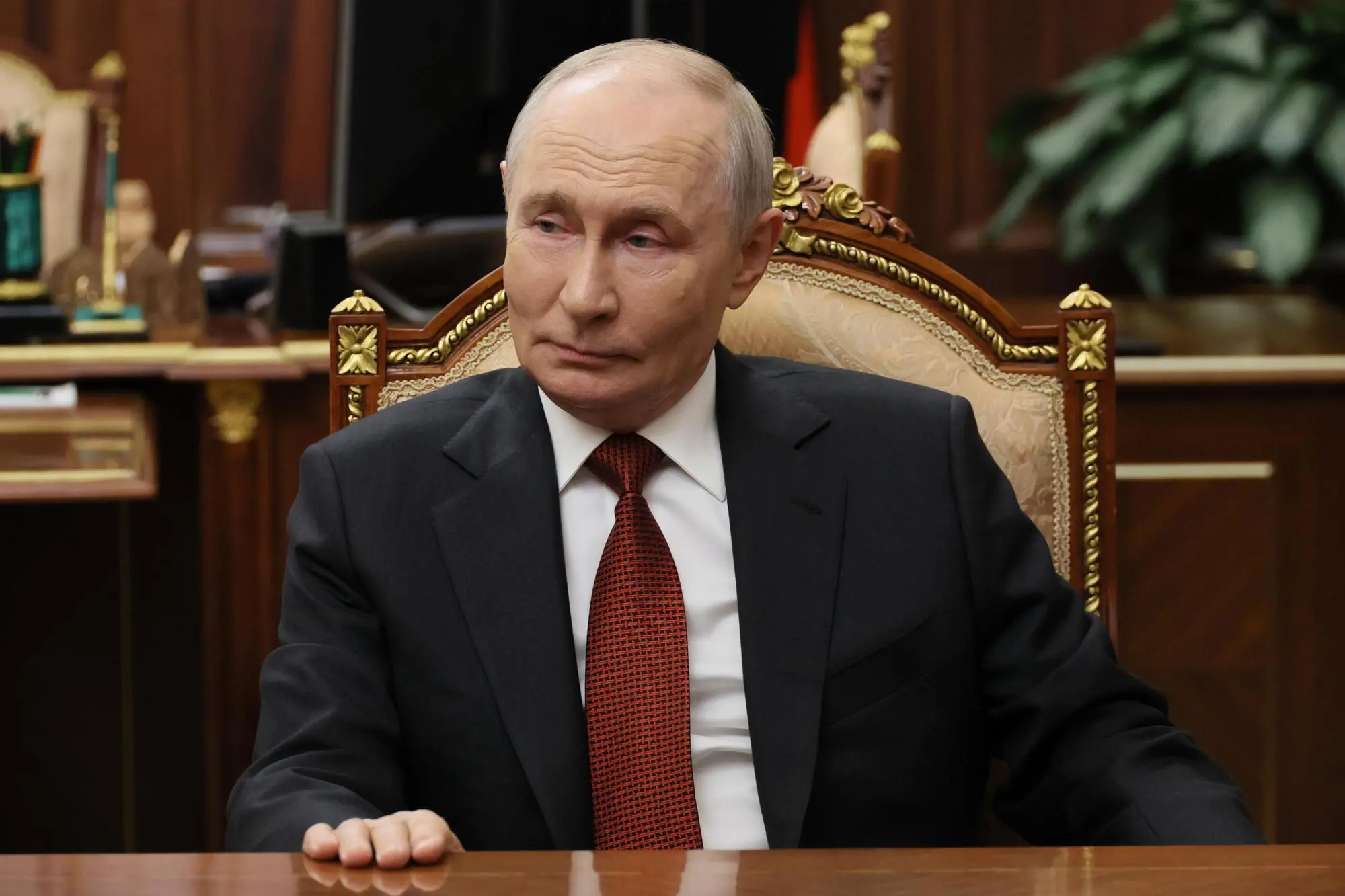
(Handle)
Per restare aggiornato entra nel nostro canale Whatsapp
The relentless campaign of Ukrainian attacks on Russian energy infrastructure and logistics—most recently, the warehouses of the e-commerce company Ozon—has prompted Vladimir Putin's reaction: Kiev has "opened a Pandora's box" and "retaliatory measures will not be long in coming," the tsar promised after acknowledging the "economic damage" caused by Kiev's strikes deep inside Russia and announcing his intention to "expand the country's air defense."
This rare realization comes as Moscow continues its bombing campaign across Ukraine, including Kiev, which has returned to flames in the aftermath of the brutal attack on the Kryvyi Rih shopping mall that left 16 dead and 130 wounded. After nighttime strikes that killed one person, the Ukrainian capital was hit again by a wave of ballistic missiles in broad daylight, killing two more people in the Boryspil district.
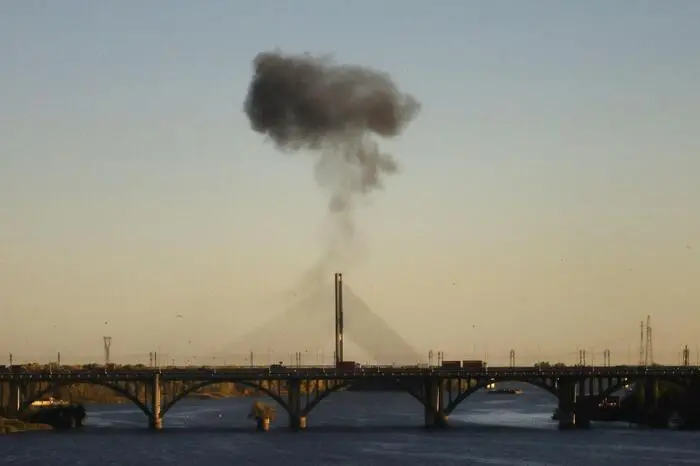
Over the past day, Kiev claimed responsibility for attacks on an oil plant in Krasnodar and a refinery in Samara, a Russian region a thousand kilometers from the Ukrainian border. Kiev's strikes also hit an Ozon logistics center for the first time, forcing the evacuation of 500 people. In recent weeks, Kiev has especially targeted another Russian e-commerce giant, Wildberries. Volodymyr Zelensky's goal is clear: to bring the Russian logistics sector to its knees while continuing to cripple the energy sector, causing serious disruption to the Russian economy and population.
But although these attacks have "caused economic damage and losses," Ukraine "has not gained any advantage" and "the enemy's actions have had no effect on the situation at the front," according to Vladimir Putin. Kiev will receive "a response in the most sensitive sectors of its already exhausted economy," the Russian president promised. Meanwhile, "Russian troops are not only continuing their offensive in all directions" in Ukraine, "but have also accelerated the pace of their advance," the Kremlin leader outlined. Faced with this, Moscow has declared itself ready "for peace talks, but only on the basis of the reality on the ground."
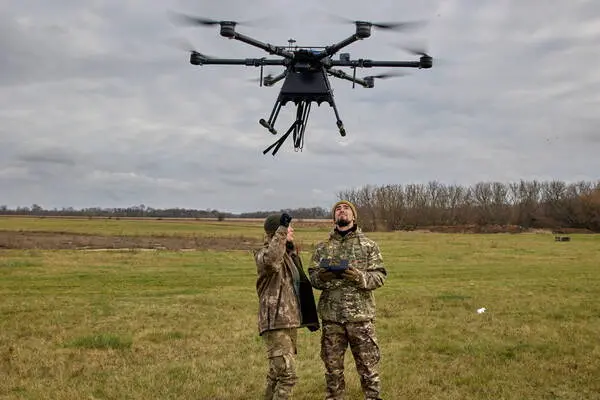
It's precisely dialogue that has been absent for months, with US mediation efforts put on hold due to the war against Iran. This stalemate has left only the military option open. So much so that, according to reports by The Atlantic, citing two sources, earlier this year, some Ukrainian officials approached Zelensky with a new plan to launch waves of AI-equipped drones against Moscow's airports, hoping to prevent international airlines from landing and taking off from the Russian capital. This plan—dubbed "M&Ms"—was deemed dangerous due to the risk of impacting civil aviation, preparations for which have been halted, but it provides a measure of the current state of the war.
Zelensky continues to call for military support from his allies, and in a phone call with his French counterpart Emmanuel Macron, he received a promise that Paris will accelerate the deployment of new "interceptor" missiles to defend Ukrainian skies. Meanwhile, attention is focused on Monday's meeting of the "Willing" to reaffirm allies' support for Kiev's fight. The meeting will be co-chaired by Macron—who will participate via videoconference, along with Prime Minister Giorgia Meloni—along with German Chancellor Friedrich Merz and the new British Prime Minister Andy Burnham. Volodymyr Zelensky and European Council President Antonio Costa will be connecting remotely from Kiev, along with the participants among the 10 leaders—European and otherwise—who will travel to the Ukrainian capital on Monday to mark the 35th anniversary of Ukraine's independence.
(Unioneonline)