











There was much debate over names, formats, and whether to move forward or sideways in future negotiations with Russia. Then came the thunderbolts (or even just the bitter reality, according to several European leaders). The Russians, in the framework of the trilateral dialogue with the US and Ukraine in Abu Dhabi, reportedly made very weighty demands, well beyond Ukraine, regarding a new security architecture in Europe as a trade-off for ending the war: Finland out of NATO, Moldova divided into three, and control of the entire Donbass.
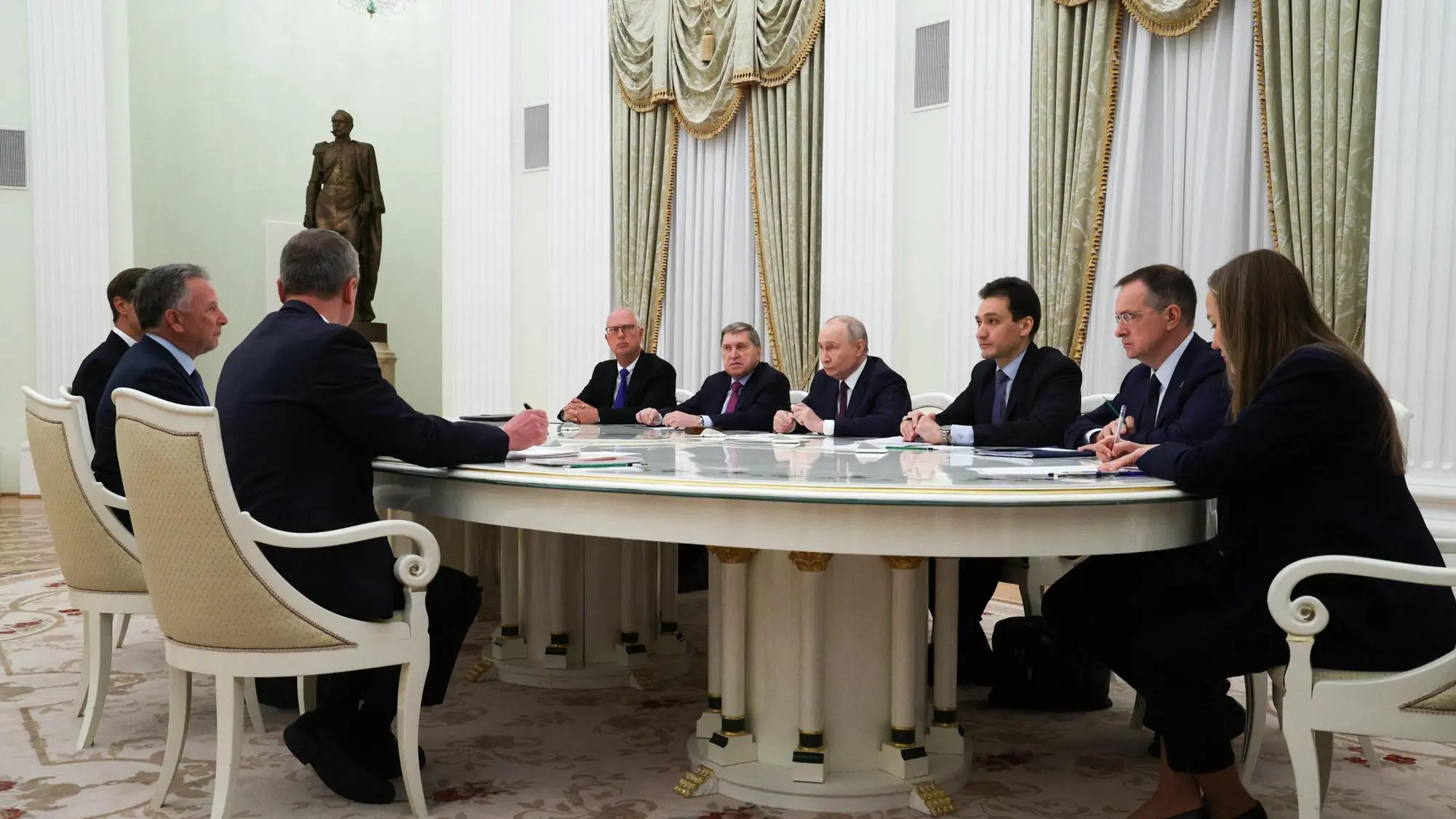
The German newspaper Bild published the rumors, which were immediately denied by the Kremlin. But in the corridors—in Dublin as in Brussels—there is indeed a certain apprehension. "This is not the first time we have had to deal with Russia's maximalist positions, we are not surprised," was a note on the sidelines of the summit in Ireland. German Chancellor Friedrich Merz did not mince his words. "I ask the US: no more surprises, work as a team with us and with Ukraine." And his gaze is directed eastward, to the possible bilateral meeting that will take place on November 19 in Shenzhen between Donald Trump and Vladimir Putin, on the sidelines of the APEC summit. Indeed, beyond the negotiating team established in Dublin—representatives of the EU and the E5— the question of what to ask for and what the red lines are for the EU and Europe remains unchanged. "Both sides have now agreed to expand the next round of negotiations to include our European partners," Jared Kushner said in Dublin, fresh from Russia after meeting (alone, along with Steve Witkoff) with President Volodymyr Zelensky. "This will allow us to address, in addition to the territorial issues between Ukraine and Russia, the broader framework of post-war European security arrangements."
Now, leaving aside the fact that Moscow has also denied this (though through the mouth of the Foreign Ministry spokesperson, the pugnacious Maria Zakharova), for Europe, any reference to the so-called "architecture" is smoke and mirrors. There's no need to talk about it, "it already exists." It was Russia that "destroyed" the Helsinki peace order, Merz thundered, recalling the 1975 multilateral agreement according to which each country has the right to choose "its own alliances" (within a framework of indivisible security, however). Then came the jab in view of Trump's trip to China. "Here," he remarked, "some in Dublin fear that this could become, so to speak, a second Anchorage moment." The broomance in Alaska, in fact, has inflicted heavy losses on Europeans, which have been laboriously corrected, and there's no desire to go back to the starting line.
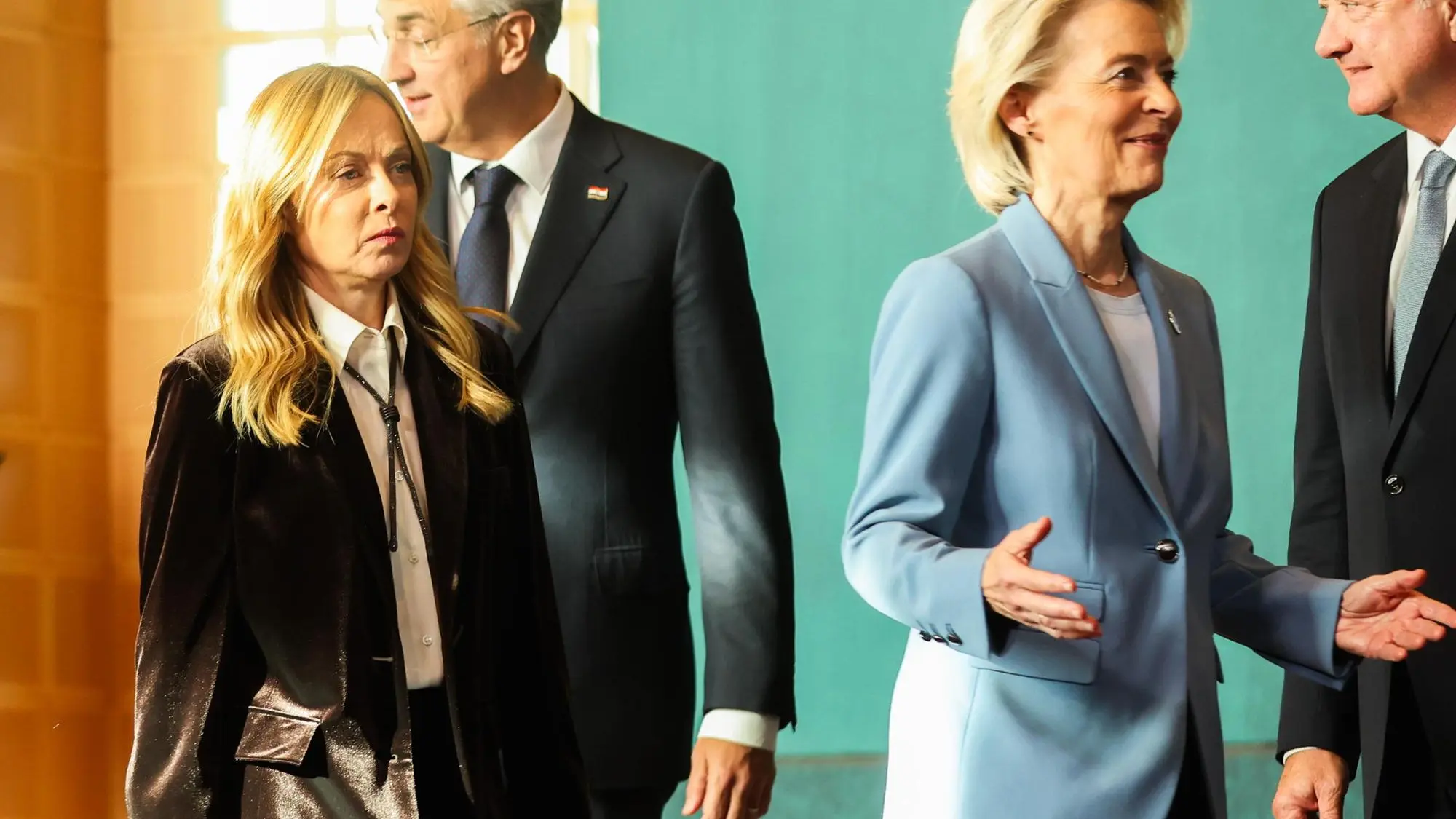
The diplomatic roadmap is tight. The Contact Group on Ukraine in Brussels, the Coalition of the Willing in Berlin, the APEC summit in China with a possible meeting between Putin and Trump (there were even rumors of a "Big Three" with Xi), an extraordinary European Council, the first round of US-Europe-Russia-Ukraine negotiations, now with the newly formed Dublin format (E5+EU), the G20 in Miami (the invitation extended to Putin remains valid), and the ordinary European Council at Christmas, where the 27 will scramble to close the crucial agreement on the European budget, which now risks sealing the deal on additional funds for Kiev . But as early as two weeks, it is being explained in Dublin, a new round of negotiations could take place: the US, Russia, Ukraine, and the new format born in the Irish capital will be present, with representatives of the EU and the E5. And with NATO. And the great crossroads Europe is approaching could emerge in all its drama as early as the United Arab Emirates: will the European negotiating team sit in the same room with the US and Russia? Prudence at European headquarters at this time suggests that no, that joint meeting will not happen. But it could only be postponed. "The path to peace will not be easy, but we will remain united as we have been for the last five years, with the ultimate goal clearly in our minds," assured European Commission President Ursula von der Leyen.
(Unioneonline)