








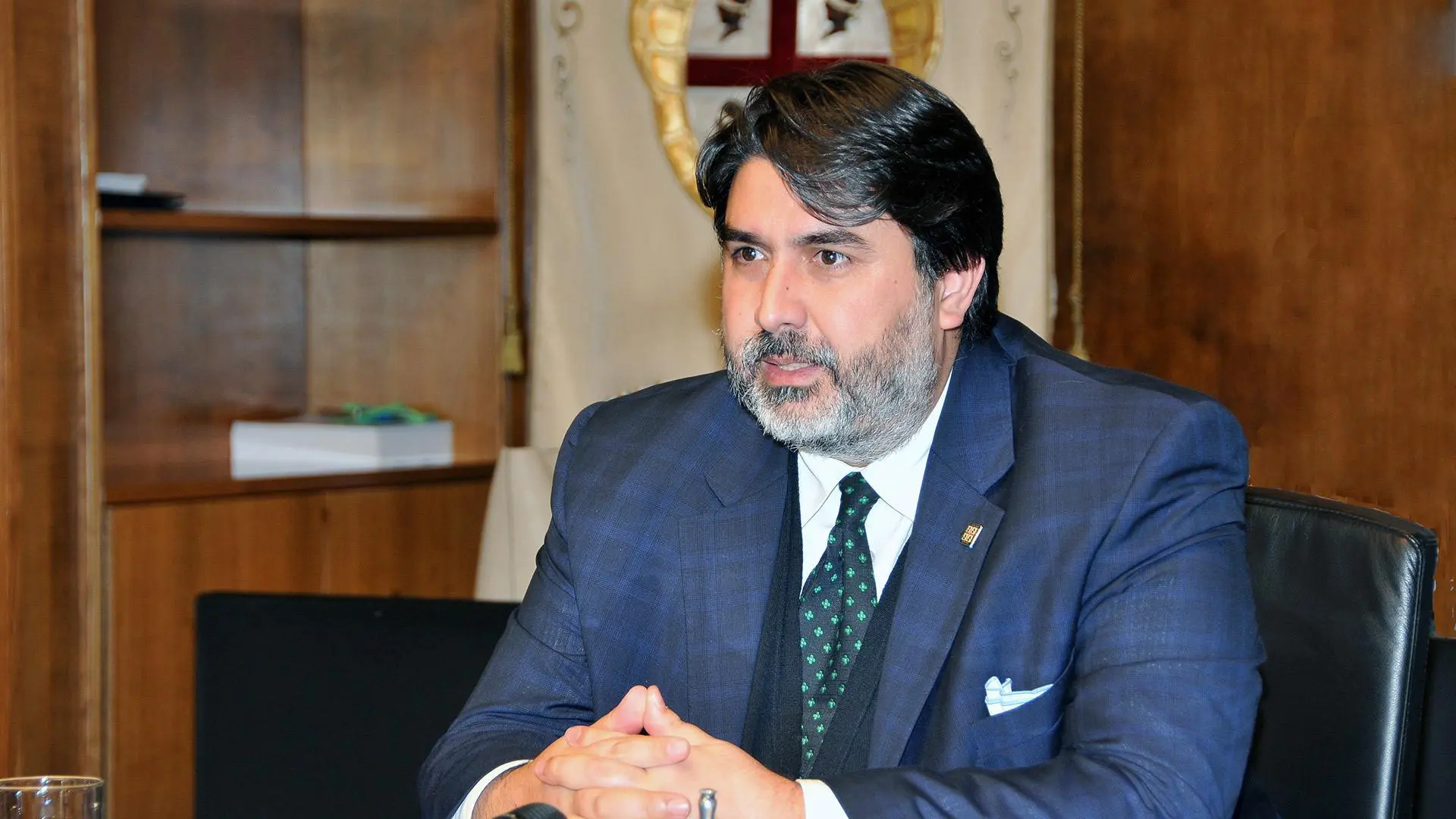


«This law starts from a fact: we have an enormous building stock. By redeveloping it we can make a contribution to the recovery of the construction sector, improving many buildings born in the 60s and 70s without coherence with the urban and environmental context ". Woe to call it home plan: the new rules on the "redevelopment of the existing building stock" would like to go beyond simple volumetric extensions, blocked for almost a year, to aim higher by improving the face of the island. On which decades of construction have been stratified, often without paying too much attention to the "aesthetic value" of the interventions. The 15 articles that Christian Solinas promises to present to the Regional Council within the year will also serve to relaunch the tourism sector: "We all agree that Sardinia can be competitive in this field: this is why we cannot stand still while in the world we continue to improve services, ”says the governor. "We need rules that allow these structures to adapt to international standards."
Specifically, what will hoteliers be able to do?
“Many hotels on the coast were built several decades ago, when very narrow spaces were foreseen for some services that customers now find everywhere. These are the problems of the productive fabric: combining development needs with the value of the environment and the inviolable beauties of the island ».
The text will give the possibility of redeveloping also the tourist ports, with new structures dedicated to services and hospitality.
«It is an option that the Town Planning Department wanted to provide to relaunch the port facility. There are numerous realities that are candidates to be gateways to the island. This chapter will be discussed in the Council, with the Municipalities that host the structures, and I hope with the academic world ".
The law will allow building extensions again.
«Cities, suburbs and countryside need to rediscover their physiognomy and answer current questions. I am thinking of the requests of the Third Age, with the removal of architectural barriers, and energy efficiency. Inside the big centers there will be an opportunity to give a new vocation to compromised spaces. We have excellent examples: Milan relaunched the economy and resumed its role as a leading city when it carried out the urban redevelopment interventions ».