

Villasalto: 16 griffon vultures take flight to save the species.
Birds arrived from Spain and the Czech Republic. The Monte Genis aviary opened to the enthusiasm of scientific partners. Now, the bearded vulture and the black vulture are being reintroduced.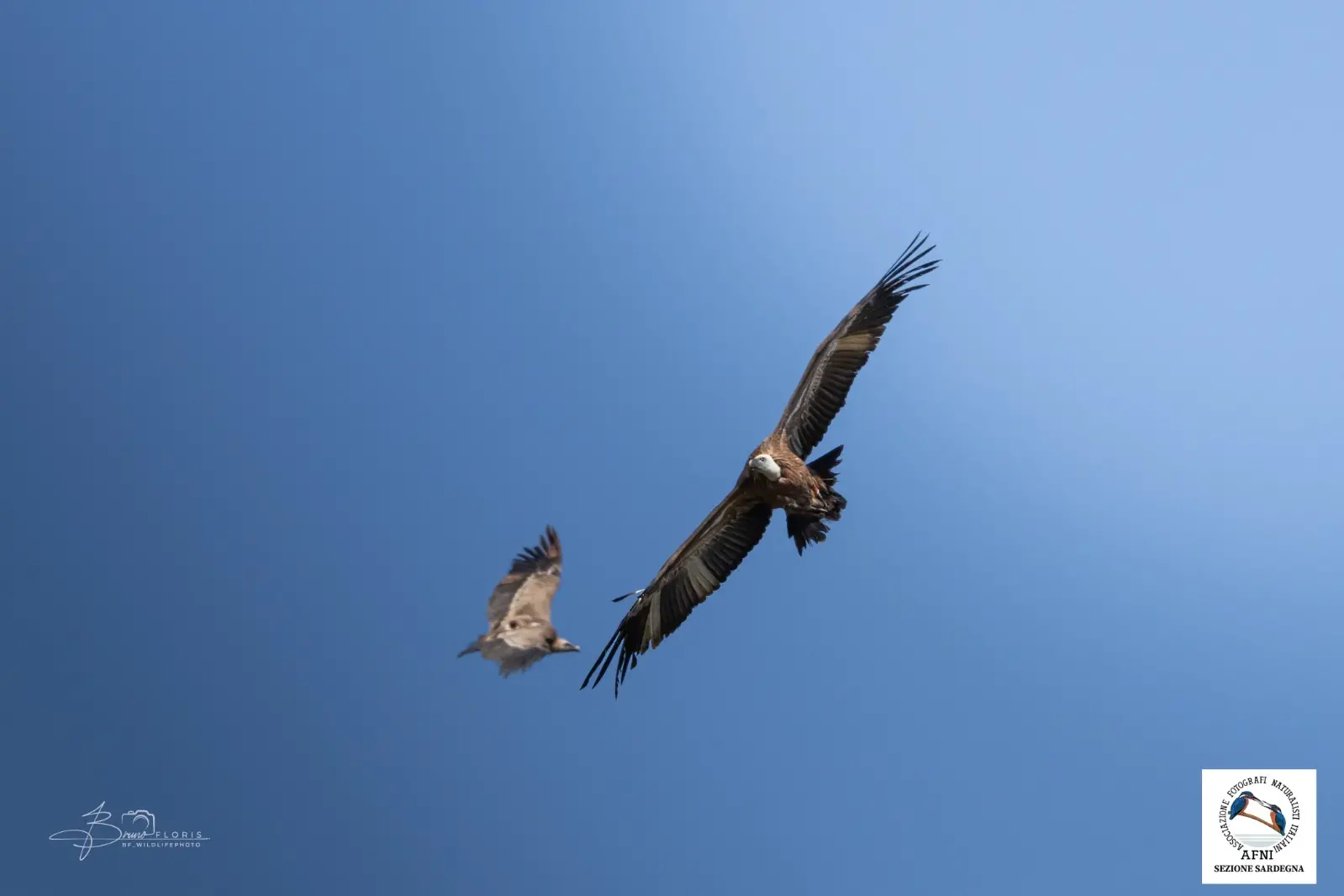
Per restare aggiornato entra nel nostro canale Whatsapp
Sixteen griffon vultures from Spain, the Czech Republic and Italy took flight from the Villasalto aviary, as part of the latest release planned by the LIFE Safe for Vultures project .
The release took place on Thursday, October 1st, in the acclimatization aviary built in the Monte Genis forestry construction site, in the Villasalto area. With this fourth and final release, the project has released 84 griffon vultures in southern Sardinia. The goal is to encourage the species' return to its historical range and reduce the main causes of mortality, including food shortages, poisoning, electrocution, and collisions with infrastructure .
Of the 16 animals released, 13 came from Spain, one from the Czech Republic, and one from Falconara Zoo . The sixteenth, Dolianova, had already been released with the third contingent and was subsequently recovered and cared for by Forestas veterinarians at the Bonassai Wildlife Recovery Center. The animals, 6 females and 10 males, were born between late 2024 and 2025.
"With this latest contingent, we reach the total of 84 griffon vultures released as part of the project from the Villasalto forestry site," said Fiammetta Berlinguer of the University of Sassari , the project's scientific director. "These sixteen, who have been in the aviary for nine months, will join the now-established group that frequents and recolonizes the area," she added. "Repopulating the historic ranges was one of our goals, and we can say we've achieved it, thanks in part to the network of company feeding stations created by the breeders," she concluded. "With the support of local health authority veterinarians, they have created a habitat capable of supporting the griffon vultures."
The release was also monitored by experts appointed by Cinea, the European Commission's Agency for Climate, Infrastructure and Environment, to carry out the final monitoring of the project. LIFE Safe for Vultures, launched in 2021, is now in its final stages and has also laid the foundation for evaluating the future reintroduction to Sardinia of other vulture species that have disappeared from the island, such as the bearded vulture and the black vulture.
Before being released, the griffon vultures underwent health checks and were equipped with identification rings, wing tags, and satellite transmitters with accelerometers, which will allow their movements to be followed and their behavior in the wild to be studied .
(Unioneonline/En.Ne.)