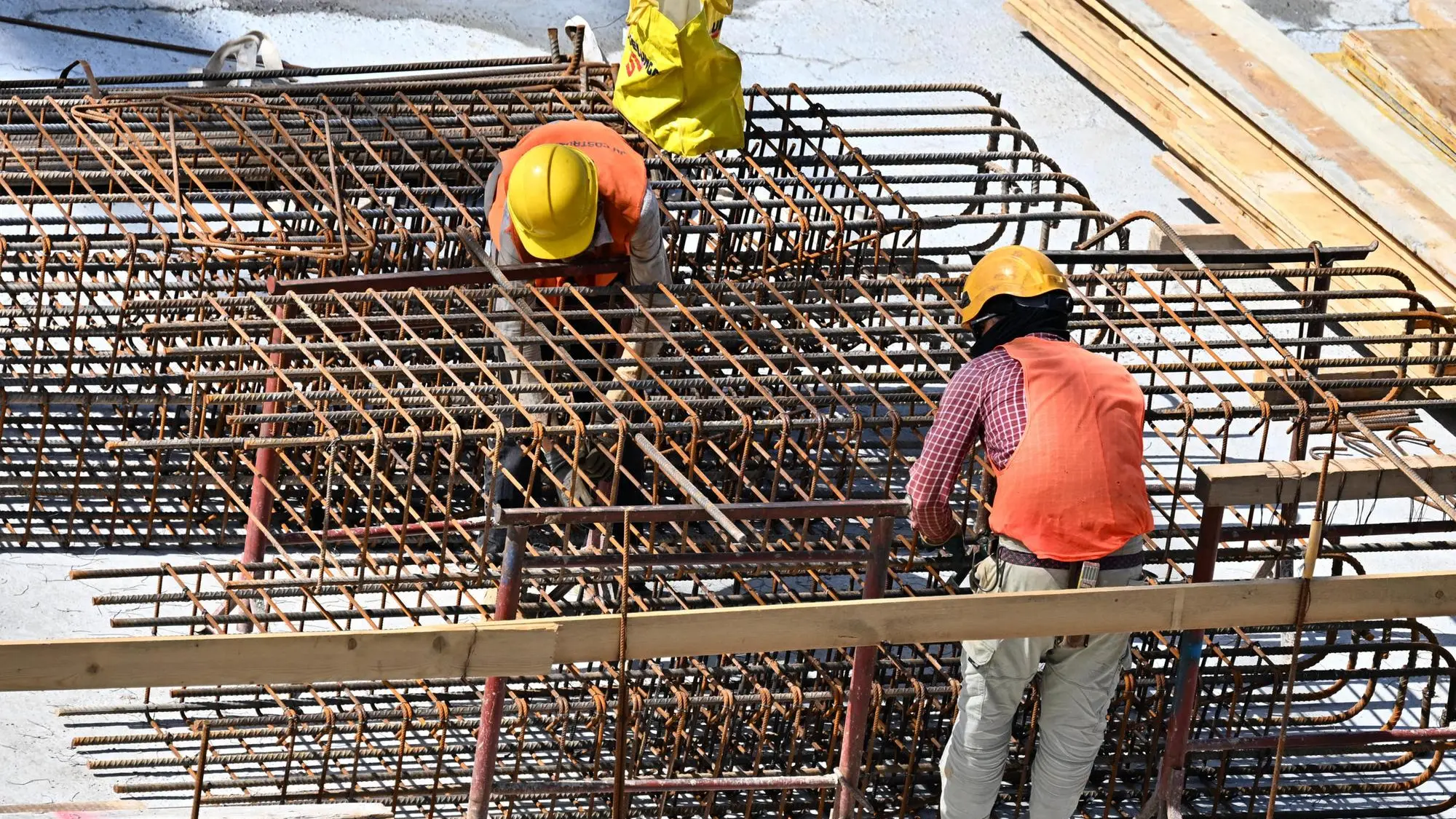


Those registered by the construction funds are 3,500. They come from Africa, but also from Pakistan and Afghanistan, and are mostly under 40. And their contractual terms are among the lowest.
The number of foreign construction workers in Sardinia is growing. And with this increase comes a growing demand for protection, which is sometimes lacking due to a lack of awareness of their rights and sometimes restrictive language barriers.
This is where Fillea CGIL's commitment comes from, establishing the Territorial Coordination of Migrant Construction Workers in Cagliari. This is the first step toward a network that will gather the concerns of all construction sites across the island and translate them into demands and union action.
Contracts for foreign nationals have seen steady growth over the last five years (INPS data), likely due in part to companies' difficulty finding labor. Indeed, of the 15,860 hires planned for 2025 by companies in the sector, nearly 65% were expected to face recruitment challenges, 40% of which were due to a lack of candidates (Excelsior, Unioncamere, Aspal).
Of the 25,000 new contracts signed by foreign nationals in Sardinia in the first nine months of 2025, 8 percent were in the construction sector, which, however, has generally seen a rise in precarious employment , with a growing number of fixed-term contracts over the last five years, reaching over 70 percent. Foreigners are more exposed to precarious employment, and according to INPS, young people are especially vulnerable compared to older foreign workers.
"The coordination," explained Fillea regional and Cagliari secretaries Erika Collu and Jessica Spiga, "is intended to be a space for discussion and participation, a point of reference for raising awareness of contractual rights, both in terms of wages and workplace health and safety." What emerged from the first meeting in Cagliari was They want to understand whether the working conditions they are subjected to are fair or not. They ask to reconcile the peculiarities of their religion with their work and the eligibility for permits to visit their loved ones in their country of origin."