

Necropolis of Cannas: when man already inhabited the future Carbonia
«In tomb 12, the most important, the remains of 225 people were found»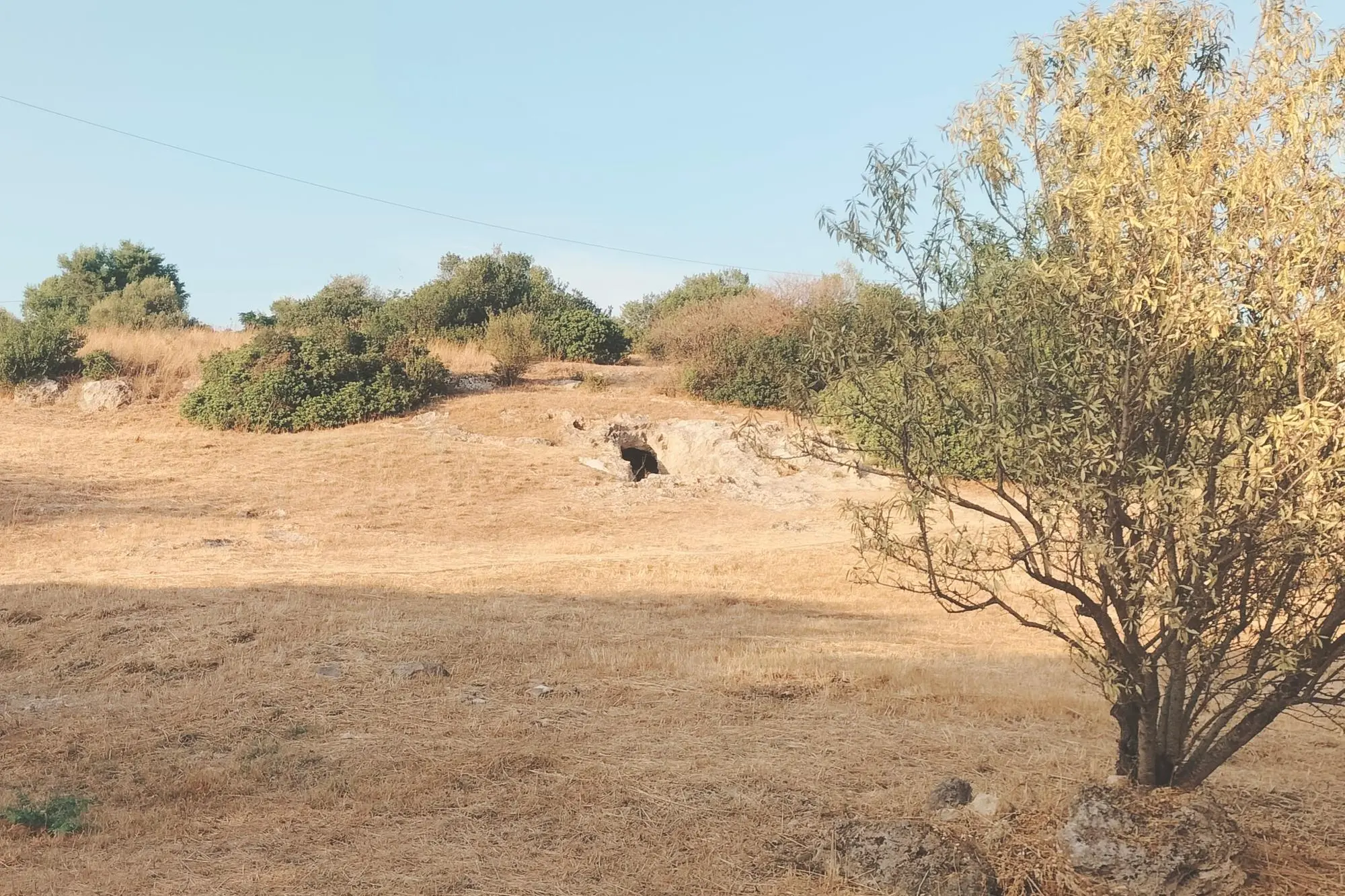
Per restare aggiornato entra nel nostro canale Whatsapp
They worshipped a sort of mother goddess, placed their dead in shaft tombs, and lived from hunting, livestock farming, and agriculture, exploiting nearby waterways like the Rio Cannas . Carbonia also has its own Tuvixeddu, the archaeological site in the heart of Cagliari: the necropolis of Cannas di Sotto, part of a Neolithic village inhabited from 4500-4000 BC and, according to the finds available so far, until 2700 BC. One of the recent discoveries, dating back to a few years ago, in tomb 12 (26 have been listed in the compendium) concerns the four statuettes of the mother goddess dating back to the Middle Neolithic, between 4500 and 4000 BC, discovered thanks to the work of the Archaeological Superintendency and the campaign directed by Gianfranca Salis.
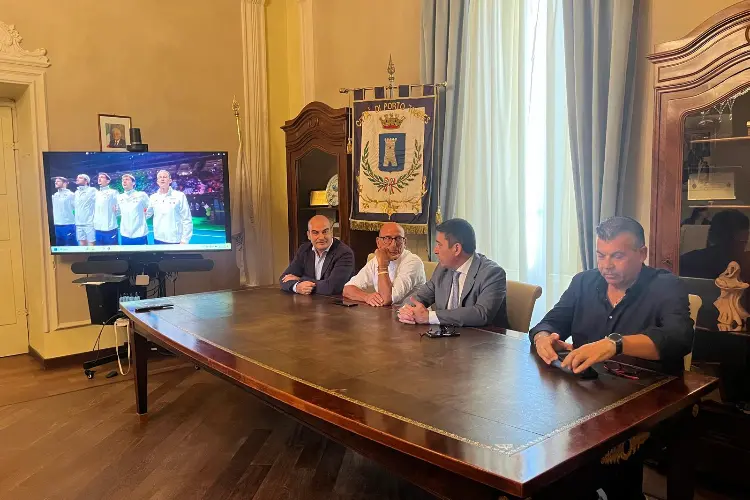
The site's importance emerged during a conference led by archaeologist Giacomo Paglietti, sponsored by the Municipality and the Consorzio Sistema Sardegna, which manages Carbonia's archaeological and cultural sites. "It's been since the 1970s," Paglietti explains, "that we've begun to understand the importance of the domus de janas tombs. We've begun to understand that a village existed to the east, and we've begun to understand other fundamental aspects of the settlement and the ongoing reuse of the necropolis."
The necropolis, a classic example of hypogealism from the fifth millennium onward, was in fact constantly used by successive societies: "In tomb 12, the most important, the remains of 225 people were found." During its most prosperous periods, the site housed around a hundred huts; perhaps at its best, it numbered around a thousand inhabitants, with groups presumably also coming from the Italian and Iberian peninsulas. The age of the inhabitants? It's realistic to expect them to be up to 45, especially the women. Therefore, from 2700 onward, no further finds were made until the emergence of the Nuragic civilization. Carbonia was founded between 1937 and 1938. Around twenty public buildings were built near the hill that hosts the necropolis, and behind the site was the residential district of Santa Caterina: this explains why the archaeological site has become a park perfectly nestled within the urban perimeter.