









In one year, 3,279 people over 65 in Sardinia reported being victims of theft, robbery, and fraud. Specifically, 1,953 thefts, 33 robberies, and 1,293 scams. But the trend in scams is especially concerning, having increased by 48.6%, well above the 36% increase recorded nationwide. This is according to the report "The Exposure of the Elderly to Theft, Robbery, and Fraud," prepared for ANAP by the Research Office of Confartigianato Imprese Sardegna using data from the Ministry of the Interior and ISTAT.
Overall, the island remains among the safest regions. With 778 deaths per 100,000 residents over 65, Sardinia is well below the Italian average (1,704) and is surpassed only by Basilicata (605). At the other end of the scale are Lazio (2,612), Emilia-Romagna (2,118), Tuscany (2,089), and Lombardy (2,048).
The picture changes, however, when looking at the individual types of crime. While the figures for thefts (464 victims per 100,000 elderly people) and robberies (8) remain low, Sardinia climbs to third place in Italy for fraud with 439 victims per 100,000 over-65s, behind only Liguria (504) and Emilia-Romagna (449). In 2023, the year of the boom in reports, elderly victims increased overall by 24% against the national +14.9%, with robberies growing by 65% and thefts by 11.3%.
The issue weighs more heavily on the island due to seniority: in fact, there are over 421,000 people over 65, approximately 27% of residents, compared to a national average of 24.3%.
"We shouldn't create unnecessary fear, but we can't stop at the overall data," observes Giovanni Mellino, president of ANAP Confartigianato Sardegna and national vice president. "The real alarm bells are scams, especially those carried out via telephone, internet, and digital tools, built by exploiting trust and fear."
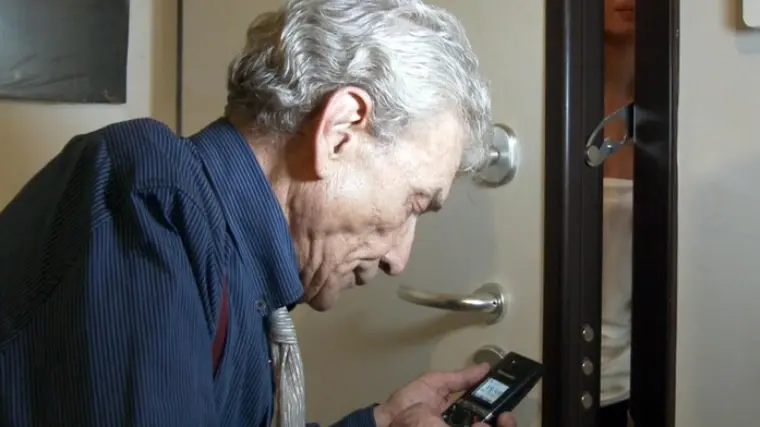
For Mellino, the answer cannot be limited to repression: we need "a safety net that involves institutions, law enforcement, families, associations, and local communities." This is why the association is promoting the "Safer Together" campaign, with informational meetings to teach people how to spot scams: verify the identity of anyone calling or showing up at their door, avoid pressure from urgent requests for money, and report any concerns to law enforcement, even in the case of schemes like the fake police officer.
"No elderly person should have to give up their independence and services for fear of being defrauded," concludes Mellino.