Cagliari, short-term rentals boom: 57% of those looking for a permanent home struggle to find one.
A team of sociologists research: the historic center of the Sardinian capital is being "emptied" of new residents to make room for tourists.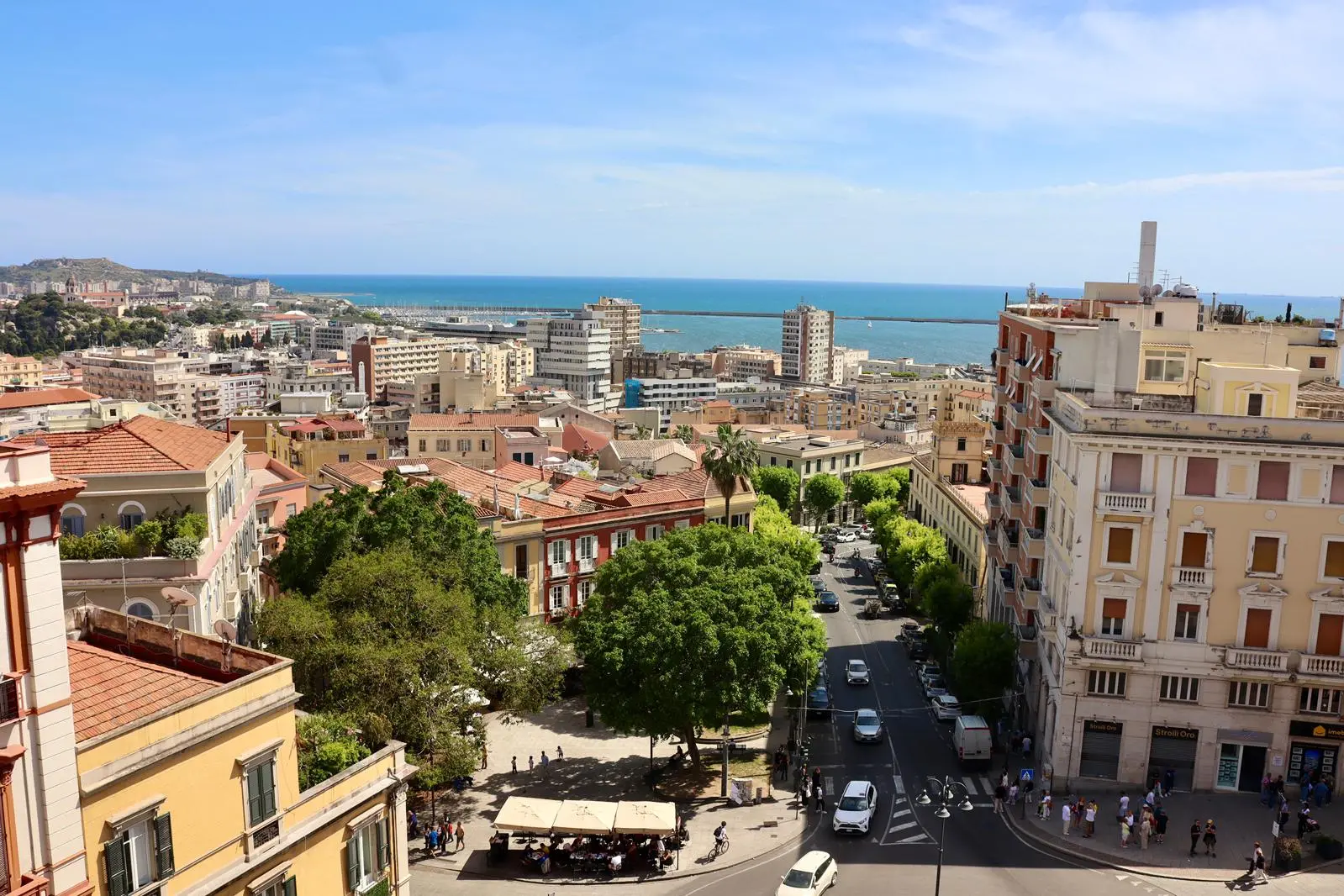
Cagliari (Photo Niada)
Per restare aggiornato entra nel nostro canale Whatsapp
Cagliari is experiencing a boom in short-term rentals, with the historic center tending to empty of new residents to make room for tourists . This phenomenon is particularly affecting the Marina, Stampace, and Castello neighborhoods, where rising prices and difficulty finding long-term rentals have been reported.
This is what emerges from an urban sociology study recently published in the scientific journal “Frontiers” .
The study, conducted by a team of researchers from the universities of Salento, Catania, and Cagliari, is titled "Beyond Gentrification : Urban Rent and Basic Livability in Southern European Intermediate Cities," and compares housing transformations and trends in recent years in Cagliari, Lecce, and Catania.
Among the processes highlighted, first and foremost is the "transformation" of the historic center: increasingly a "showcase" for visitors and less and less a "home" for those who live there . This change is also due to the boom in short-term rentals, with more and more homes being converted from residential homes into bed and breakfasts or vacation rentals.
In Cagliari, the study notes, demographic data show that historic neighborhoods experienced a long period of depopulation between 1991 and 2011, followed in the last decade by partial stabilization or slight population growth, often associated with the settlement of foreign residents and temporary or discontinuous forms of residence. Neighborhoods like Marina and Stampace have grown recently, but this does not equate to a full recovery of their traditional residential function; rather, it reflects a selective functional conversion linked to restaurants, accommodation facilities, and commercial activities geared towards tourism and leisure.
This transformation hasn't gone unnoticed by long-term residents. 74.8% of Cagliari residents interviewed said they'd noticed an increase in short-term rentals in their neighborhood . Furthermore, 86.3% reported increases in rents and prices in their area, and 57.8% confirmed they'd struggled to find rental accommodation.
In Cagliari, the study further highlights, tourist arrivals and overnight stays have grown steadily since the early 2000s, with a marked acceleration in the last decade and a rapid recovery after the pandemic. Particularly significant is the more than proportional increase in overnight stays compared to arrivals, demonstrating the city's consolidation as a fully-fledged tourist destination. Consequently, the researchers continue, the accommodation offering has expanded, especially in the non-hotel sector, which draws directly on the real estate stock in central neighborhoods and intensifies competition between permanent residence and temporary accommodation . In 2022, privately rented accommodation accounted for over 71% of Cagliari's tourist facilities, approximately 40% of beds, and over 35% of total capacity; in 2023, the municipality accounted for 39.2% of normalized real estate transactions in Sardinia as a whole. The relative stability of long-term rentals in central neighborhoods since 2008 is plausibly attributable to the withdrawal of properties intended for short-term rentals: not a sign of easing market pressure, but rather the effect of the exit of the best units from the residential circuit.
And then there are prices. After the 2008 crisis, the study notes, purchase prices fell, while rents rose steadily between 2004 and 2023. Assuming that those who choose to rent allocate about 30% of their income to rent, in 2004 a permanent worker could afford an average of 32-35 square meters in the historic center, rising to 21-24 in 2013 and 26-30 in 2023. But the partial recovery hasn't returned to the levels of twenty years ago.
Precisely due to costs, but not only, the center of Cagliari has lost residents over time, who have moved to the outskirts and especially to the hinterland: the municipality, the study further emphasizes, has dropped from 204,237 inhabitants in 1991 to 149,092 in 2021 (-27%), while the municipalities in the surrounding area have grown in population: Sestu +70.7%, Capoterra +41.4%, Uta +37.3%, Quartucciu +34.5%, Sinnai +32.4%.
Scholars believe all these transformations are not due to classic "gentrification"—that is, the progressive replacement of working-class residents with members of the wealthier classes among city residents, particularly those in the city center—but rather to the "urban rent" factor. Essentially , today, compared to the past, the value of properties is derived from changing their intended use, not the type of tenant . The result is a city that gains value and becomes attractive, but—another side of the coin—it risks becoming less habitable for those who live there or choose to live there for long periods or permanently.