

"Arvores," the first light of dawn in Maria Teresa Rosu's verses: "Poetry is an art that nourishes."
The work, published by Edes, is an integral part of a historic series by the Sassari publishing house: “La biblioteca di Babele”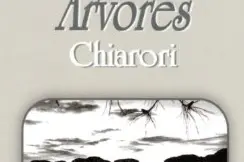
Per restare aggiornato entra nel nostro canale Whatsapp
Every man in good health can do without food for two days; poetry, never." These are the words of Charles Baudelaire, who created "The Flowers of Evil," a masterpiece in verse. Poetry is essential nourishment for Maria Teresa Rosu, an author and avid reader of poetry collections. She wrote the book "Arvores," in which Sardinian and Italian meet in perfect harmony. For many years, she worked passionately in a cultural outpost: the library of Lula. The work, published by Edes, is an integral part of a historic series by the Sassari publishing house: "The Library of Babel," multilingual Sardinian literature, born from an idea by Nicola Tanda and revived and directed by Dino Manca, who teaches Philology of Italian Literature at the University of Sassari. The volume includes an in-depth interview with the author conducted by the same professor who also wrote the introduction.
What does poetry represent for you?
For me, poetry is an art that nourishes and expresses the soul's most authentic emotions, creating awareness of meaning and value. It is a necessary art, capable of organizing hope even in extremely difficult times.
How much does it help?
For me, poetry has been a sort of vis medicatrix naturae, which has offered me, and continues to offer me, the possibility of remaining human, with feelings and emotions that arise from pain but also from joy, that is, from life with all that it offers or takes away but always teaches.
"Arvores" is the title of your latest poetry collection. What does it mean?
S'arvore is the brightness, the dawn, the first light of dawn. In the book, its meaning is symbolic and signifies rebirth, the new light after a long night of intense darkness.
A book in both Sardinian and Italian. Why this choice?
But because I'm Sardinian! I was born and raised in Orosei and live in Lula. I learned sa limba from birth and spoke it exclusively until I was six. The Sardinian language best describes my innermost feelings. Italian is the other, essential part of me. But I don't choose the language I use to express myself. Typically, one or both languages prevail, even when speaking.
Thanks to poetry he met many writers, intellectuals, scholars
Thanks to poetry, literature, philosophy, thanks to my husband's and my intellectual curiosity. Because together we were avid readers and cultural explorers, participating in conferences, exhibitions, debates, book presentations, and organizing cultural events even before becoming librarians.
"I've always imagined paradise as a kind of library," Borges said. You worked for many years in the Lula Library.
A cultural and social mission. A long sacrifice, but above all an opportunity: to live with knowledge and experience joy in it, and to make enthusiasm the daily substance of my work. The memories are many. The strongest and most beautiful are linked to the experiences of reading and writing with children, to their faces marked by the emotion aroused by listening to stories read aloud, but also to the budding poets and writers, with whom we created beautiful and colorful books.
How important are books for a small community?
They have an incalculable value.
What remains of that experience?
The joyful greeting of those children now adults, when they meet me on the street, and the certainty that sowing beauty is never in vain.
