

Nobel Prize in Medicine for the pioneers of "optogenetics": who they are and what it is
Delsseroth, Hegemann and Nagel awarded for their studies on the discipline that combines genetics and optics to study the behavior of cells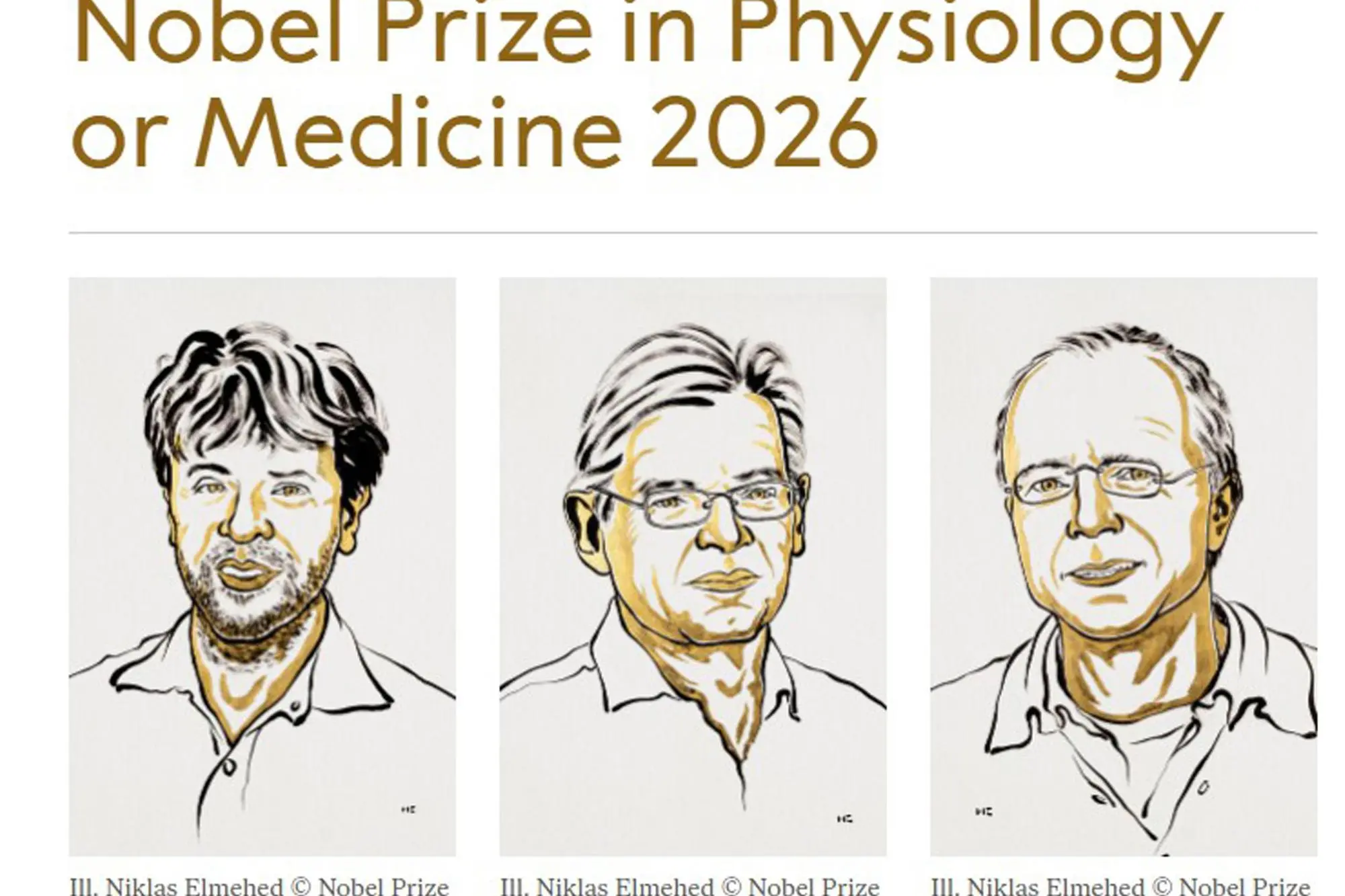
Per restare aggiornato entra nel nostro canale Whatsapp
The 2026 Nobel Prize in Medicine winners are American Karl Delsseroth and Germans Peter Hegemann and Georg Nagel. These are the scientists who laid the foundations of optogenetics , the discipline that combines genetics and optics to study cellular behavior.
Deisseroth, Hegemann, and Nagel won jointly, explains the Stockholm Academy, "for their discoveries related to light-activated ion channels and optogenetics." In particular, their research laid the foundation for controlling nerve signals with light. Their discoveries and experiments made it possible to study the brain in such detail, even turning on or off the activity of individual nerve cells in a living brain . This method is now being used in laboratories around the world to understand how the brain organizes emotions and memories.
Hegemann and Nagel pioneered this research with the discovery of a protein called channelrhodopsin, which, when introduced into cells, makes them sensitive to light . Later, the American Deisseroth transferred the channelrhodopsin gene into the nerve cells of rats and, by illuminating them with blue light, was able to trigger a nerve signal. In other experiments, this special light switch made it possible to control nerve cells in the brains of living mice.
(Unioneonline)