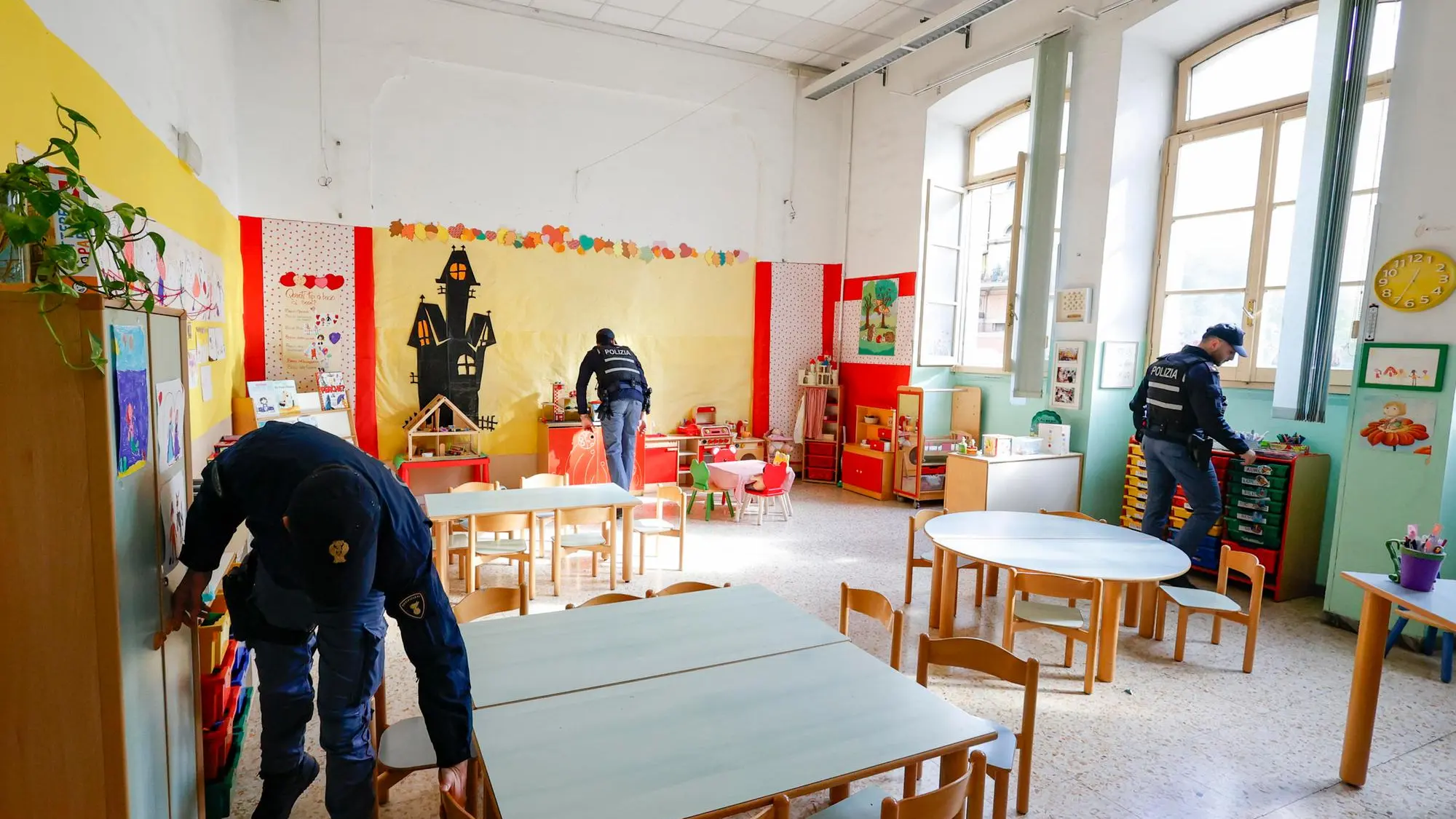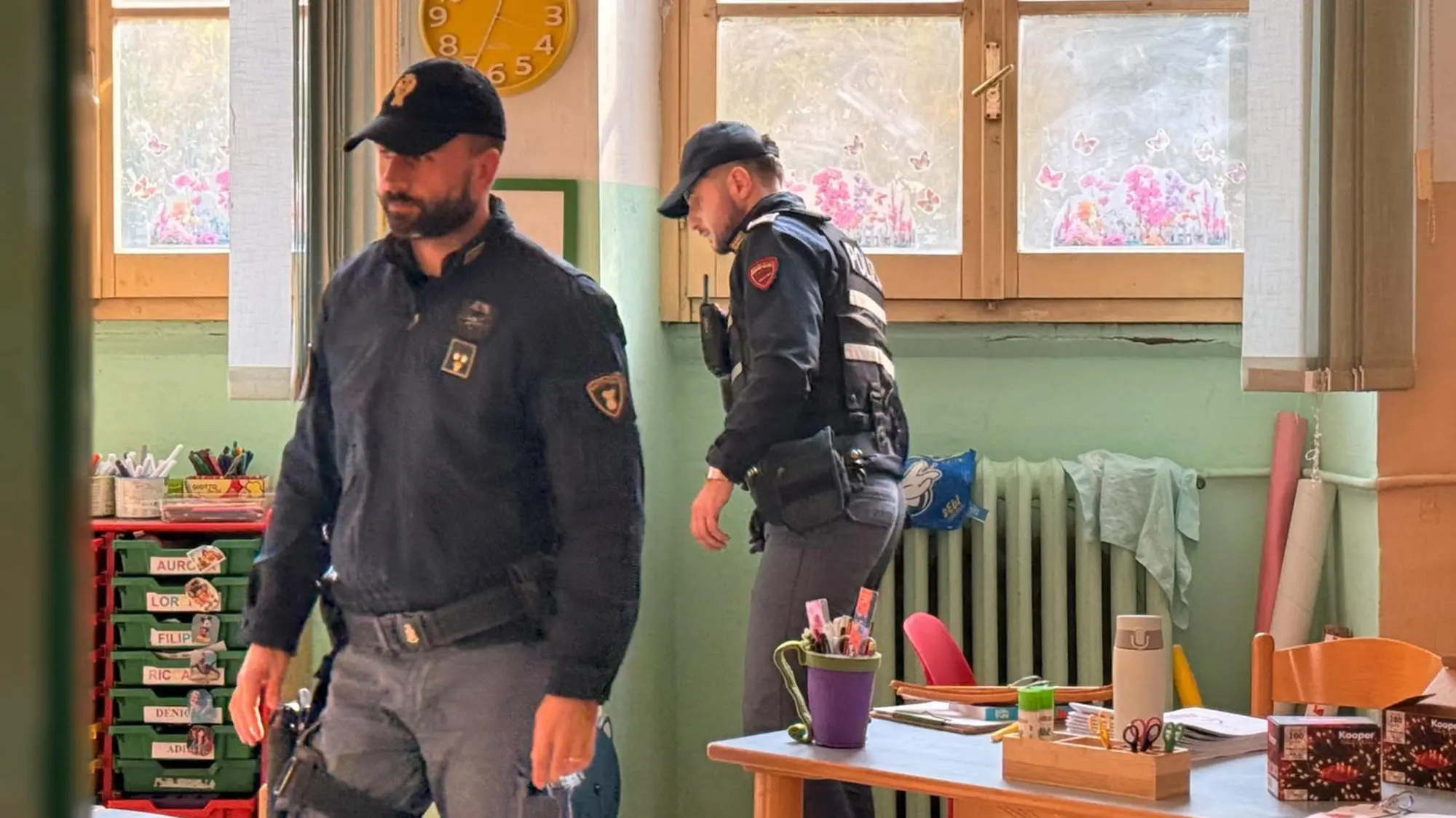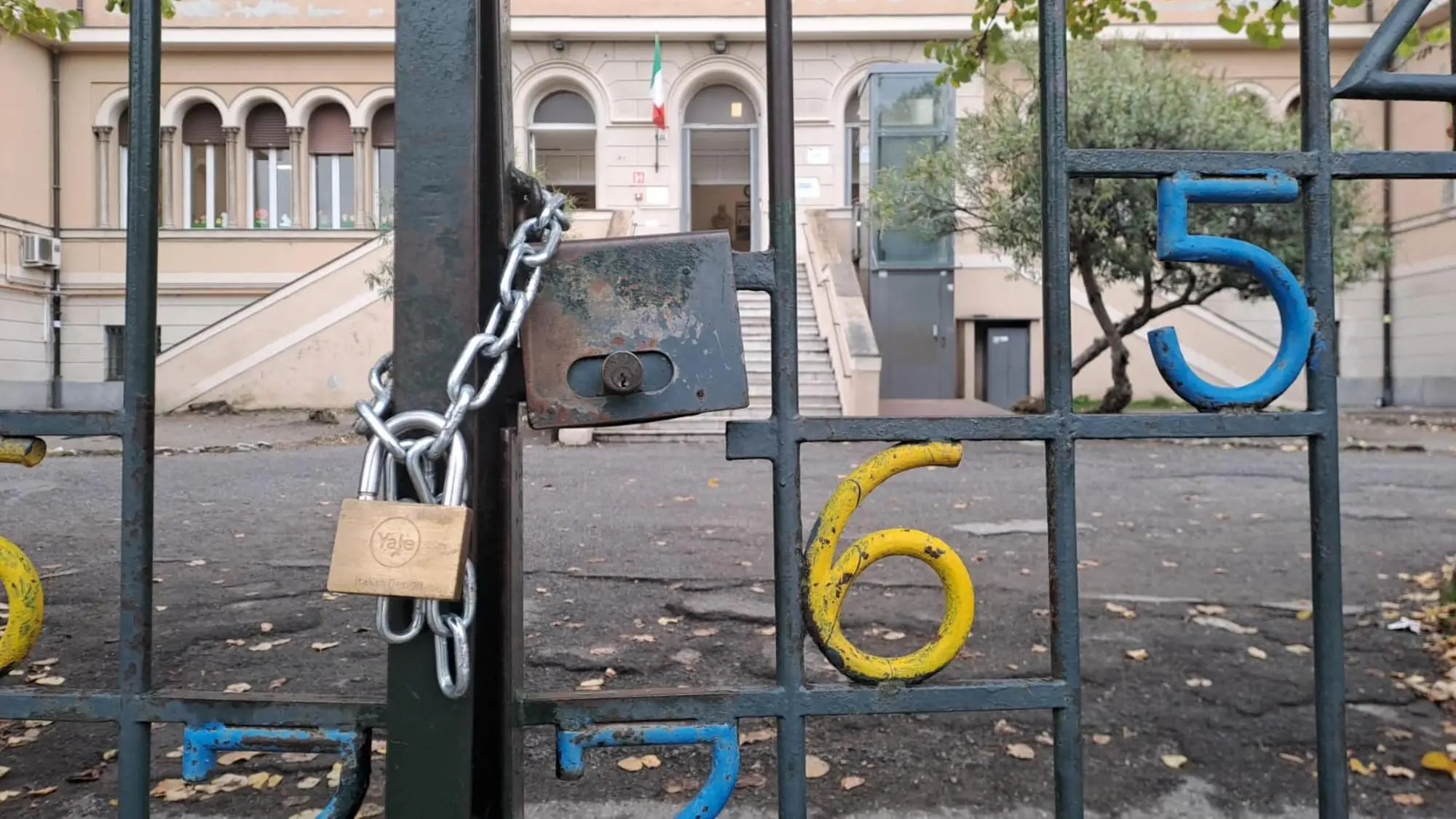


"We deemed the threat not to be concrete, and therefore we instructed prefects and principals not to evacuate or close schools." The Prime Minister made this clear yesterday on the sidelines of the European Political Community summit in Dublin.
The operational response was further defined this afternoon at Palazzo Chigi during a technical meeting of the Interministerial Committee for the Security of the Republic (CISR), attended by Undersecretary Alfredo Mantovano and Ministers Matteo Piantedosi and Giuseppe Valditara. This morning, the Ministry of the Interior is already providing new guidance to Prefectures to ensure the safe continuity of public services. Also starting today, a restricted technical meeting will be launched to develop short-, medium-, and long-term criteria, procedures, and chains of command to rapidly identify unfounded threats, not only in schools but also for other potential targets.
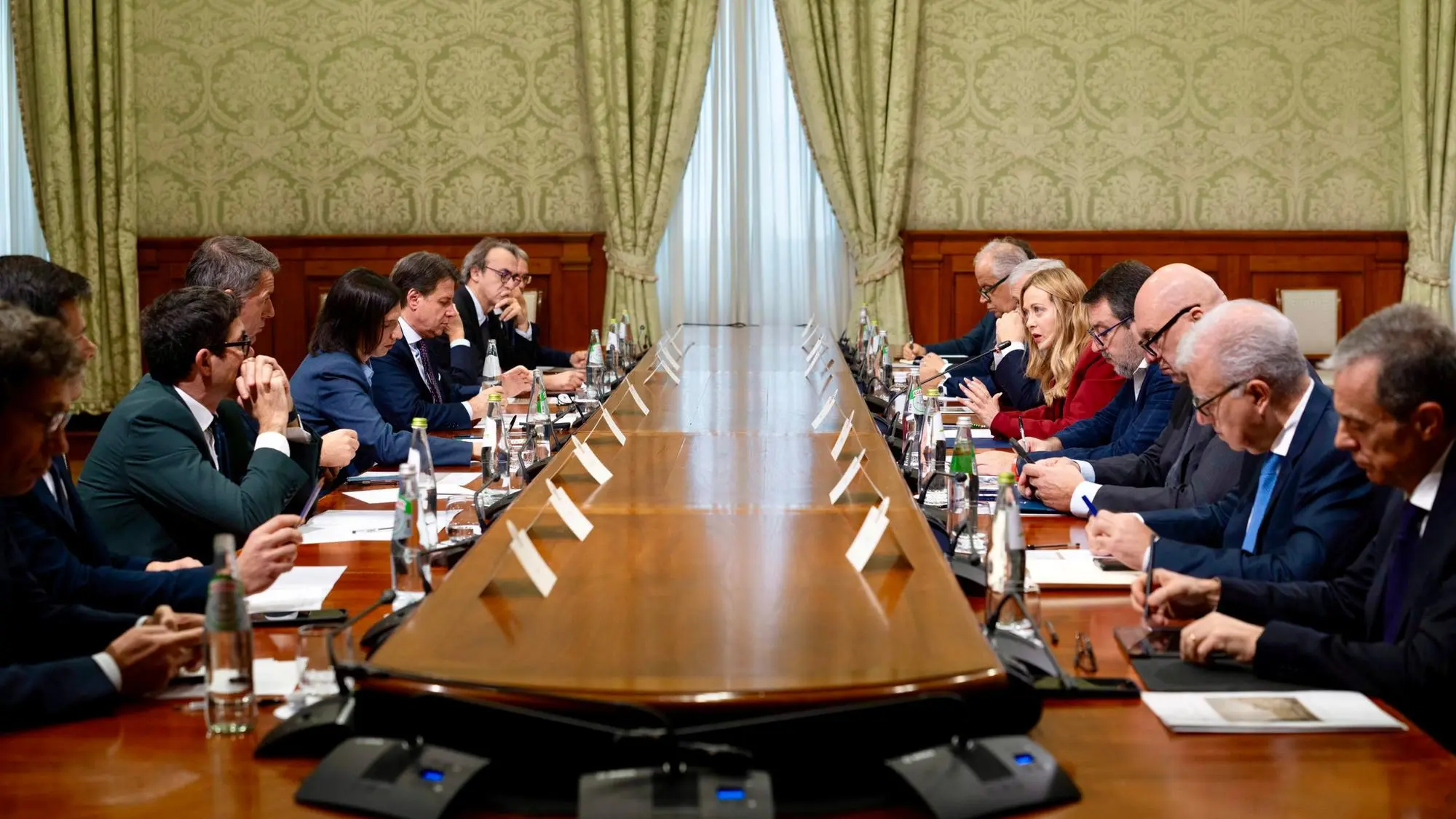
Just as the new threatening emails arrived yesterday, Meloni had gathered opposition leaders at Palazzo Chigi, along with Deputy Prime Ministers Tajani and Salvini and Ministers Crosetto, Piantedosi, and Ciriani. The Prime Minister described the meeting as "frank but productive," during which she reassured the minority groups: "The government is not asking for any blank cheques; we have shared the information and explained how we intend to proceed." While awaiting the briefing to Parliament—which the government also confirmed at the end of the CISR—Meloni reiterated the need for "specific protocols of behavior" for each sector.
The discussion focused precisely on unambiguous rules and the role of Parliament. Democratic Party Secretary Elly Schlein and Left Party leader Nicola Fratoianni, while appreciating the meeting, reiterated their "no to blank delegations" and called for the debate to be moved to the Chamber and the COPASIR (Research and Information Office). Giuseppe Conte (M5S) called for national protocols to ensure the safety nets are not left alone, as also requested by ANP President Antonello Giannelli. Carlo Calenda (Azione) accepted a commitment to launch a "democratic shield" against foreign interference by the next elections. Matteo Renzi (IV) supported the method but rejected its merits, calling the attack resolvable with a good antivirus program, while COPASIR Vice President Enrico Borghi urged avoiding propaganda and downplaying.