








"CONFINI," the first group exhibition by the professors of the Cagliari Academy of Art, opened to the public on November 14th, with an inauguration at 6:00 PM. The event focuses not only on the artistic output of the twenty artists, but also on the relationship between art, teaching, research, and contemporaneity.
Set up in the Sala Archi of the Lazzaretto Multifunctional Center in Cagliari, the exhibition will remain open until Sunday, December 6, 2026, offering the public the opportunity to explore different languages, sensibilities, and expressive paths.
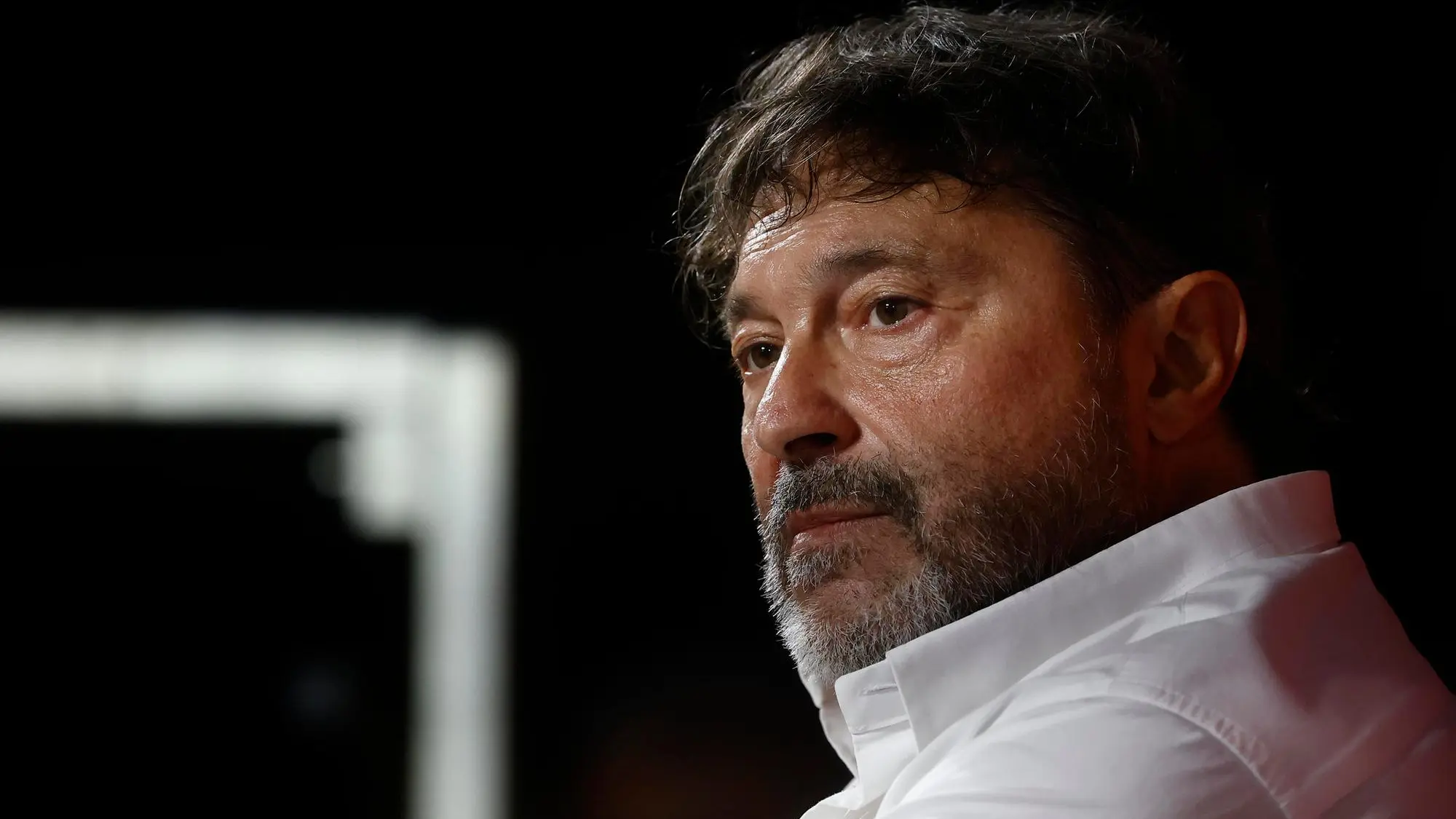
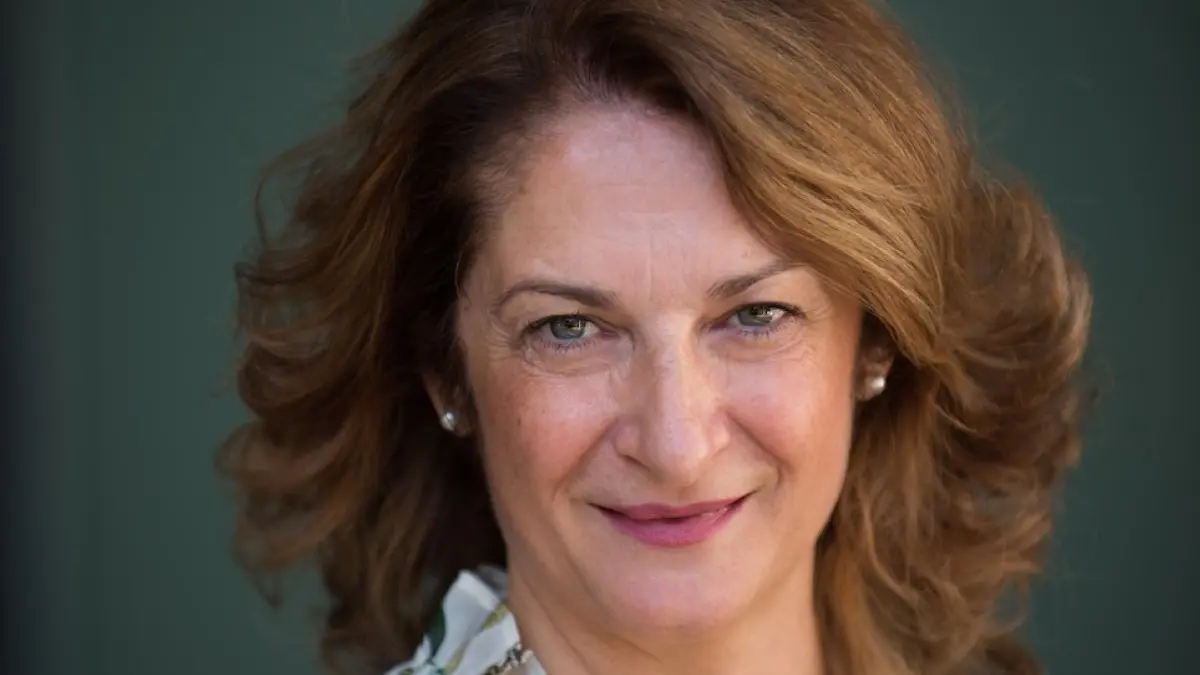
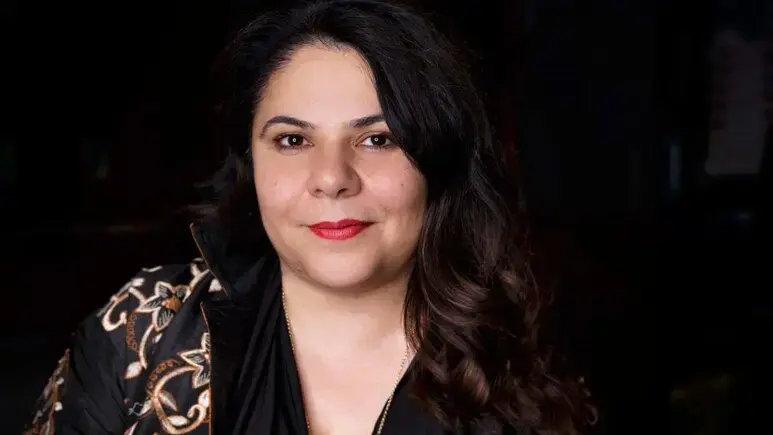
The artists on display are Ermenegildo Atzori, Sara Paravagna, Alberto Marci, Daniela Demurtas, Emiliano Marini, Ilenia Loddo, Stefano Obino, Luca Tedde, Carol Rollo, Maria Teresa Fadda, Marta Cardia, Viola Melis, Andrea Fulgheri, Matteo Floris, Valeria Usala, Carmen Salis, Piergiorgio Pulixi, Francesco Abate, Rossana Copez and Guido Masala.
The exhibition is introduced and accompanied by a critical text by Giacomo Pisano, entitled "The Boundaries of Art – The Academy's Teachers' Exhibition," which offers a reflection on the role of artists and art in a society undergoing profound transformation.
"Our time is made of borders," Pisano writes, highlighting the contradictions of an era that, while seemingly bringing people together, multiplies the opportunities for isolation and lack of communication. A contemporary world characterized by the pervasiveness of artificial intelligence, the replicability of digital works, an obsession with marketing and social networks, and an incessant overload of images and information.
In this scenario, according to the author, the boundaries between art and entertainment, between authentic expression and product, between individual research and commercial logic are becoming increasingly blurred. This situation makes it even more important to question the meaning of artworks and the role of those who create them.
The heart of Pisano's reflection, however, concerns artistic education and the responsibility of those who teach. "Education is fundamental, as a barrier to indifference, superficiality, and standardization," the critic writes, emphasizing that teaching art means going far beyond the transmission of technical skills.
The teacher, from this perspective, is the one who accompanies, listens, and fosters personal exploration, helping students find their own path of expression. "It means crossing boundaries and building a bridge by stepping aside," observes Pisano, describing teaching as a journey of sharing, empathy, and discovery.
And it is precisely from this transcendence that the exhibition's meaning arises: the teachers temporarily abandon their roles as mentors to present themselves to the public in their most authentic dimension, that of artists. The works thus become testimonies of individual journeys, experiences, experiments, and visions that continue to evolve.
Alongside the completed works, there is also space for tests, sketches, and intermediate stages—precious details that convey the living and dynamic nature of the creative process, made up of second thoughts, attempts, and new directions.
CONFINI is therefore an opportunity to gain a first-hand insight into the artistic research of those who daily devote themselves to educating new generations, but also an invitation to reflect on the meaning of art today, on freedom of expression, and on the need to transcend preconceived categories.
As Giacomo Pisano suggests in the conclusion of his text, the question we need to start from is precisely what is truly hidden behind a work and what deserves, in this contemporary era, to be defined as art.
The exhibition is located in the Sala Archi of the Lazzaretto Multifunctional Center in Cagliari and will be open from Saturday, November 14th to Sunday, December 6th; Tuesday to Sunday, 9:00 AM to 1:00 PM and 3:00 PM to 7:00 PM. Closed on Mondays.