

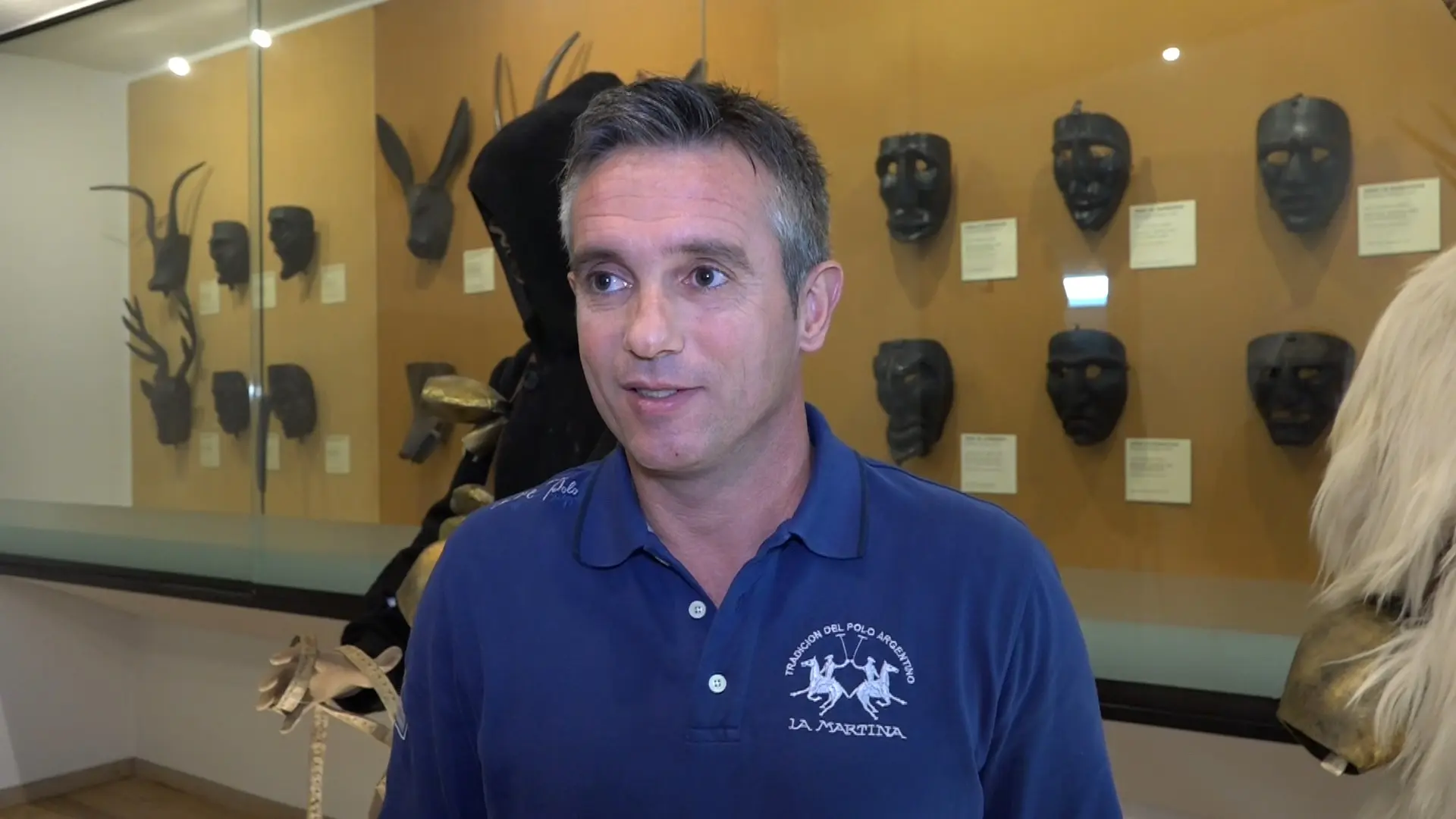
Nuragic treasures as a common denominator. Uniting Ogliastra, Barbagia, and Baronia. This is the strongly identifying calling card that the Nuoro Cultural District recently presented at the Mediterranean Archaeological Tourism Exchange in the setting of Paestum. The architect and messenger of the proposal was Mario Paffi, 56, coordinator of the DCN, with extensive experience in museum management and tourism development prospects in inland areas. "Our participation in the BMTA," Paffi explains, "aimed at making the Nuoro archaeological and cultural offerings more recognizable, showcasing experiences of collaboration between cultural sites, and establishing relationships with the organized tourism market. The initiative is part of a process already supported by the Museums Board, the Tourist Guide to Cultural Sites, the website, social media channels, and other promotional tools of the District, with the aim of encouraging the inclusion of the areas in cultural and experiential itineraries and contributing to the distribution of tourist flows throughout the year."
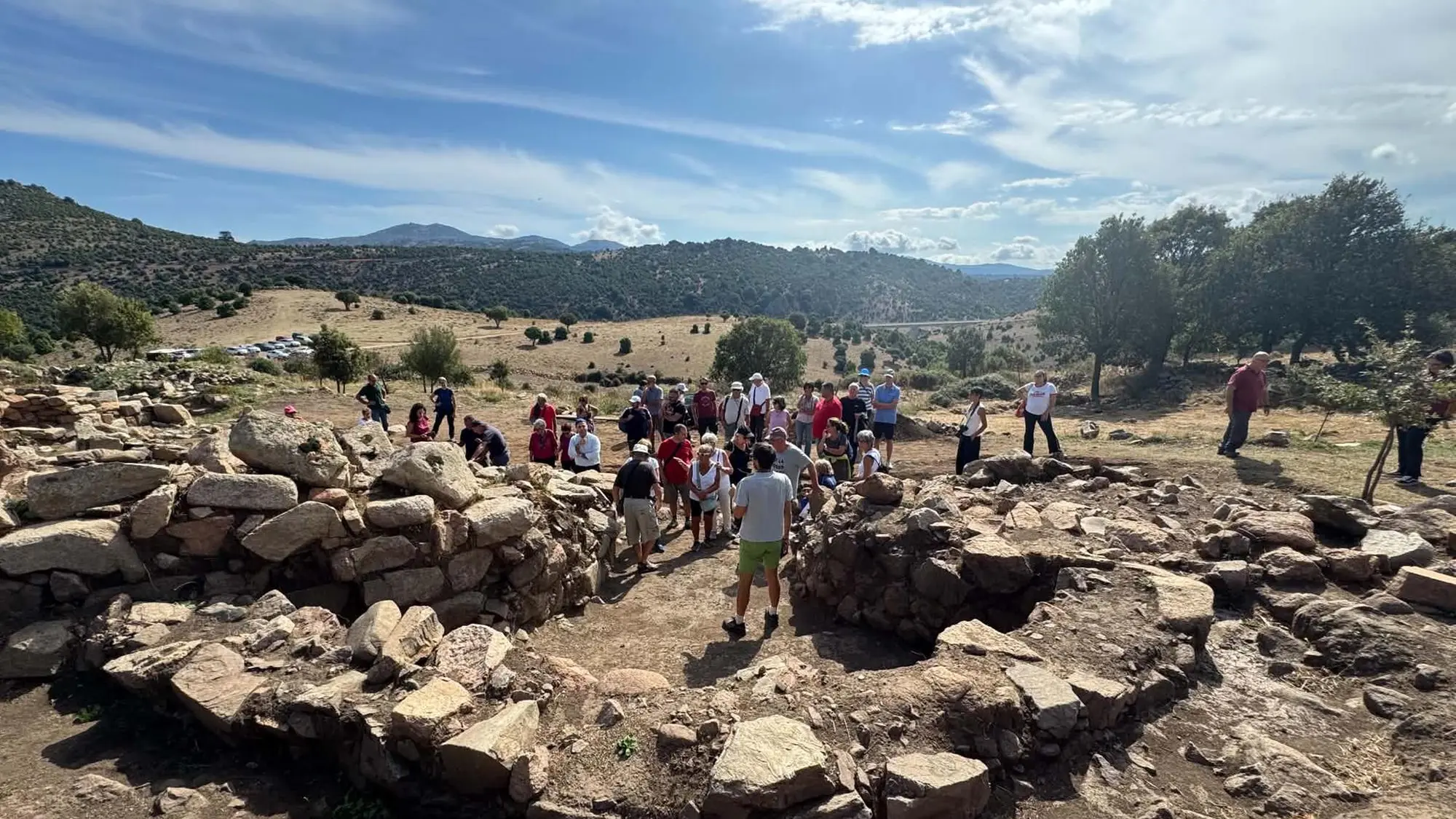
Three offers were presented to thirteen tour operators from Italy, the United Kingdom, Germany, France, Spain, and the Netherlands, some already familiar with Sardinia, others willing to introduce the island to their clients. "The Barbagia Tour, focusing on Nuoro," explains the DCN coordinator, "offers the discovery of archaeological and cultural sites along with traditions, agro-pastoral identity, and local products. The Ogliastra Tour, focusing on Villagrande Strisaili, connects archaeology and landscape with communities and the theme of longevity. The Baronia Tour, focusing on Dorgali, integrates archaeological and cultural visits with literary, artisanal, and food and wine experiences." Not just ancient remains, then, but also specific features capable of attracting significant tourist flows.
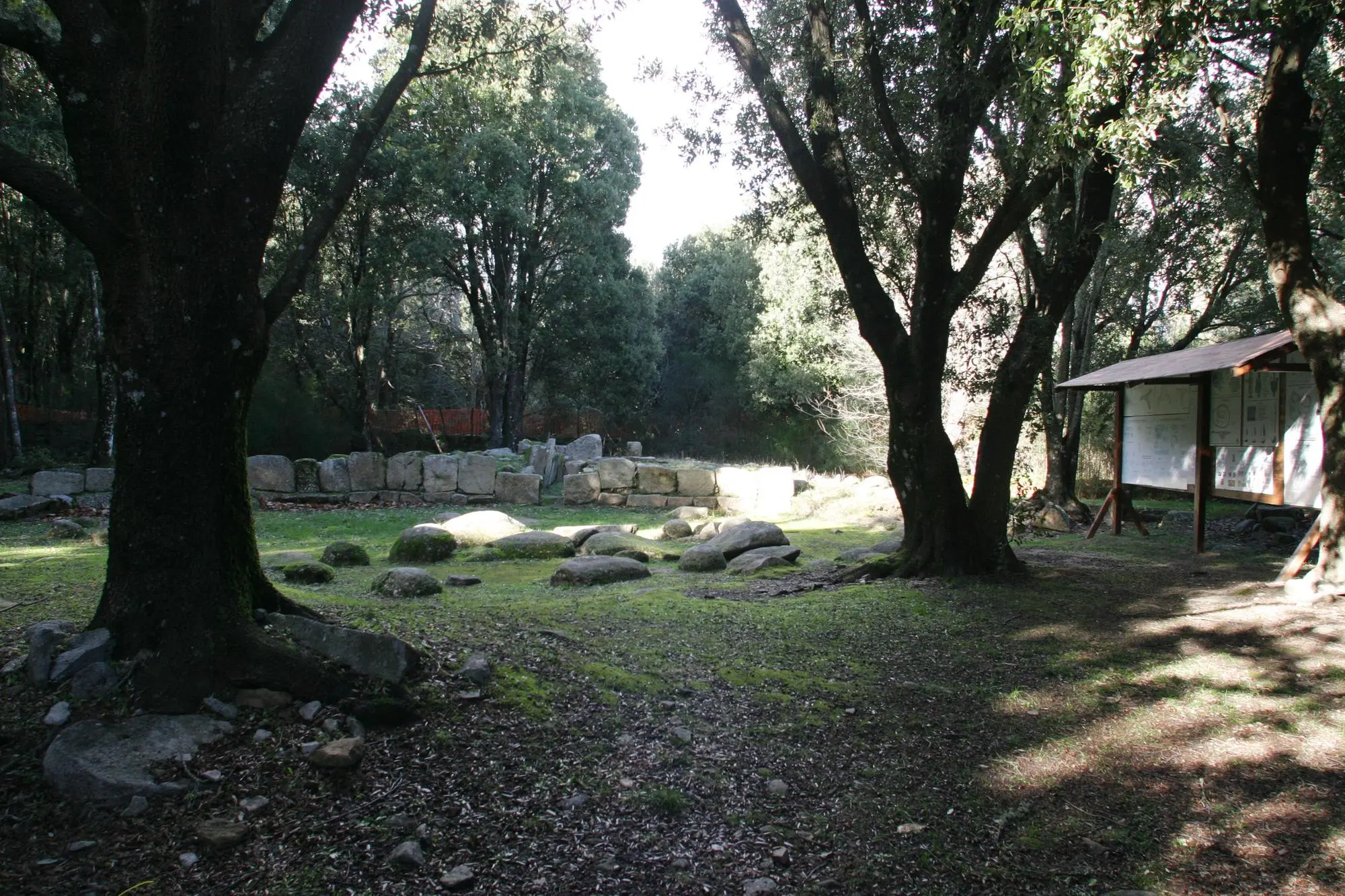
Everything is carefully planned. "The programs," explains Mario Paffi, "include hotel accommodations, transfers, guide and escort services, and organizational and logistical assistance. The visits are integrated with experiential activities, including hands-on activities related to traditional production, through the involvement of local operators. Archaeology thus provides a gateway to a broader understanding of the communities and their activities. The proposals have been prepared in Italian and English, accompanied by graphic and photographic materials and an initial quotation for 2027. The modular structure allows us to adapt the duration, services, and content to buyers' requests. The three programs provide a basis for the subsequent development of customized itineraries, tailored to the needs of different clientele."
The specifics that emerged during workshops and meetings with professionals generated considerable interest, thanks in part to technology. Among the contents illustrated, the Dcn Digital offered an example of the use of virtual tours and 3D scans to expand the ways in which cultural sites are understood and enjoyed. The role of digital documentation in preserving the memory of cultural heritage, studying it, and transmitting knowledge was also highlighted. The Diffused Tactile Museum was also presented, dedicated to the creation and collection of 3D digital models and physical reproductions of works significant to the culture of the Nuoro area. The project offers tools for direct, educational, and recreational exploration, promoting accessibility and inclusion and creating connections between museums and archaeological sites. The event "Le Parole di Grazia," held from May 22 to 24, 2026, for the centenary of Grazia Deledda's Nobel Prize, demonstrated the network's ability to build shared programming. The initiative involved 28 cultural venues, with 30 events and activities and the participation of 2,150 people at participating locations. The initiative's narrative demonstrated how a shared theme can connect different places and encourage visits to the area.
The trip to Paestum was made possible thanks to the support of the Nuoro Chamber of Commerce and the Region. Campania was primarily represented by those who develop tourism in the Nuoro and Ogliastra regions. Thanks to the support of the Province of Ogliastra, Carmen Delogu for the Seui Foundation, Alessandra Garau for the Sanctuary Village of S'Arcu 'e is Forros and the site of Sa Carcaredda in Villagrande Strisaili, and Francesco Manca for the Seleni Archaeological Park in Lanusei (all members of the Tavolo dei Musei). The Tortolì Foundation was also present in Paestum, with the S'Ortali 'e su Monti complex. "The presence of these cultural tourism operators," remarks the DCN coordinator, "has highlighted both the specific features of the sites and the relationships between the representatives of these cultural sites."