










How do you recognize my eggs? What do you see under the microscope before calling me? From collection to the first days of embryo development, the work of the embryologists at the center on Via Jenner.
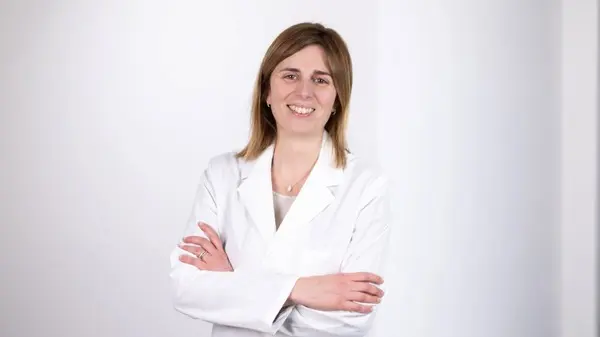
by Roberta Maggiulli, clinical embryologist and head of the medically assisted reproduction laboratories of the IVI Institute group
Our work begins while the retrieval is still in progress. The gynecologist aspirates fluid from the ovarian follicles, and we embryologists examine it under the microscope to identify the eggs. Once the retrieval is complete, we can tell the patient how many we've collected. To answer the question, "Will there be an embryo to transfer?", we'll have to wait a few more days.
At Genera Cagliari, part of the IVI Institute , couples can also undergo the most specialized phases of in vitro fertilization on the island. For those undergoing treatment, closeness is crucial even in the final days of ovarian stimulation. Ultrasound checks indicate when to schedule the collection. Being able to reach the center on Via Jenner without having to book a flight just a few days in advance makes organizing this stage of the treatment easier.
How we recognize each patient's oocytes
Even the transfer of oocytes into the culture dish requires verification. In Cagliari, we use Electronic Witness , an automated system that assists us in identifying samples. Each container is labeled with a chip. Before moving the oocytes, a reader verifies that the source container and the destination dish are associated with the same patient. If a discrepancy is detected, an alarm goes off and the operator stops to determine the cause. For each recorded operation, we can reconstruct who performed it and at what time.
How important is it for those undergoing treatment to know that this check exists? In a study conducted with colleagues at the Genera center in Rome, we asked 408 patients. 92% stated that electronic verification would reduce their concerns about possible identification errors. This is a reason to take the time, starting from the consultation, to explain how we monitor gametes and embryos throughout the process.