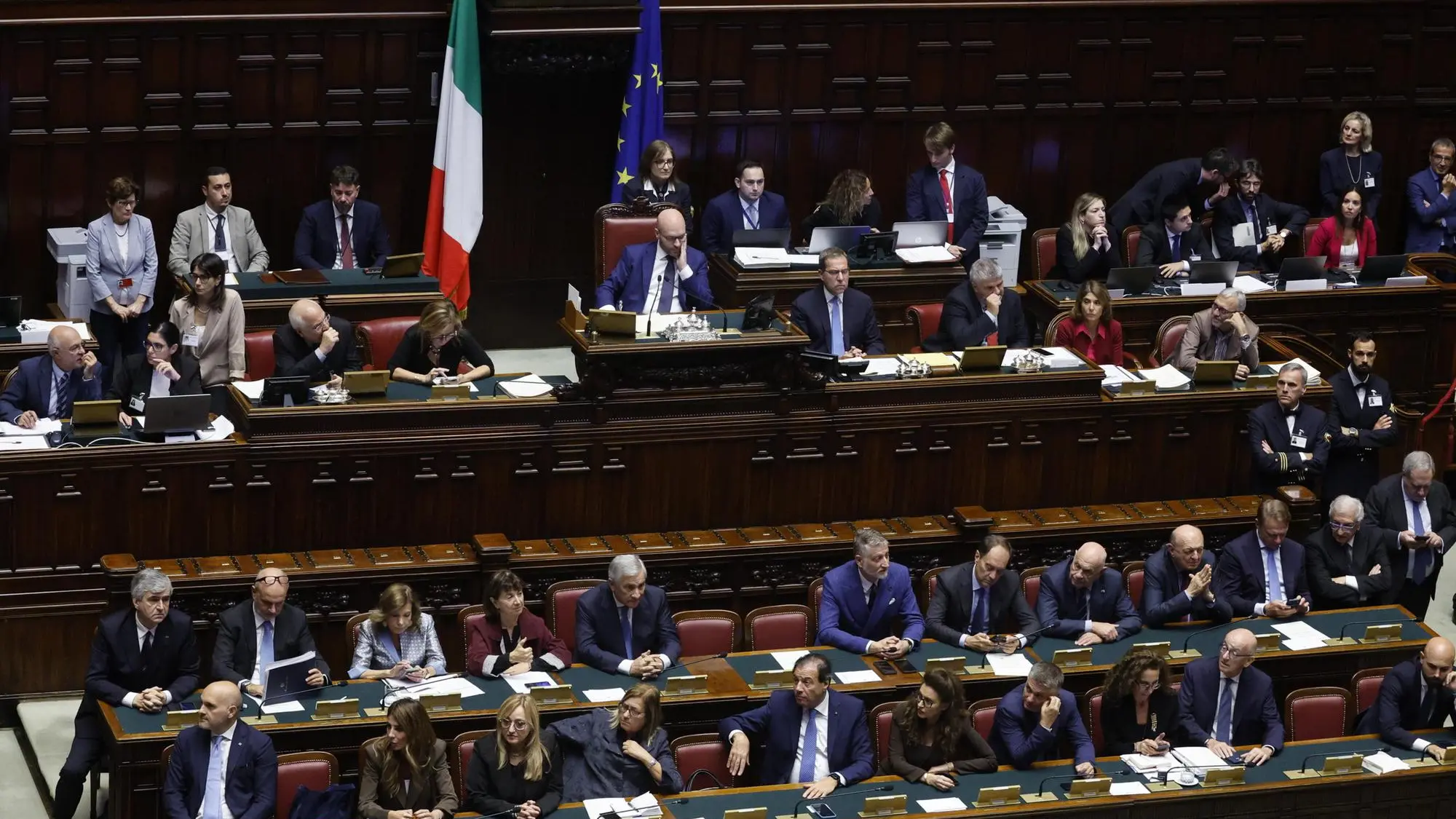


The Chamber of Deputies approved the electoral law reform by 227 votes to 164. The majority held to the secret ballot. This is the third parliamentary step following the amendments made by the Senate, which introduced preferences with blocked top candidates (after the amendment introducing them was rejected by the Chamber of Deputies in July) and increased the number of signatures required for parties not represented in Parliament to run in elections.
The protests
The opposition protested: "Fraudulent law," "No to deception," "With Meloni - healthcare + weapons" were the signs displayed after the vote.
Prime Minister Giorgia Meloni, meanwhile, rejoiced: "And to those who hoped to see the center-right divided, today we respond with action: we are united, united, and determined to fulfill the commitments we made to the citizens. Let's keep going," she wrote on social media. "With the final approval of the new electoral law, when Italians go to the polls again, they will be able to choose everything: their party, their coalition, their platform, their prime ministerial candidate, and—once again—their own parliamentarian. The center-right is reintroducing preferential voting, which has been missing for over thirty years, giving citizens back the power to directly choose who represents them. Stable governments and greater participation mean greater continuity, more responsibility, and a greater ability to provide concrete answers to Italians."
The majority prize
The majority bonus translates into 70 additional seats in the Chamber of Deputies and 35 in the Senate, up to a maximum of 220 deputies and 113 senators. If this threshold is not reached, seats will be assigned proportionally to the votes received. The candidate for prime minister is indicated in the party's platforms.