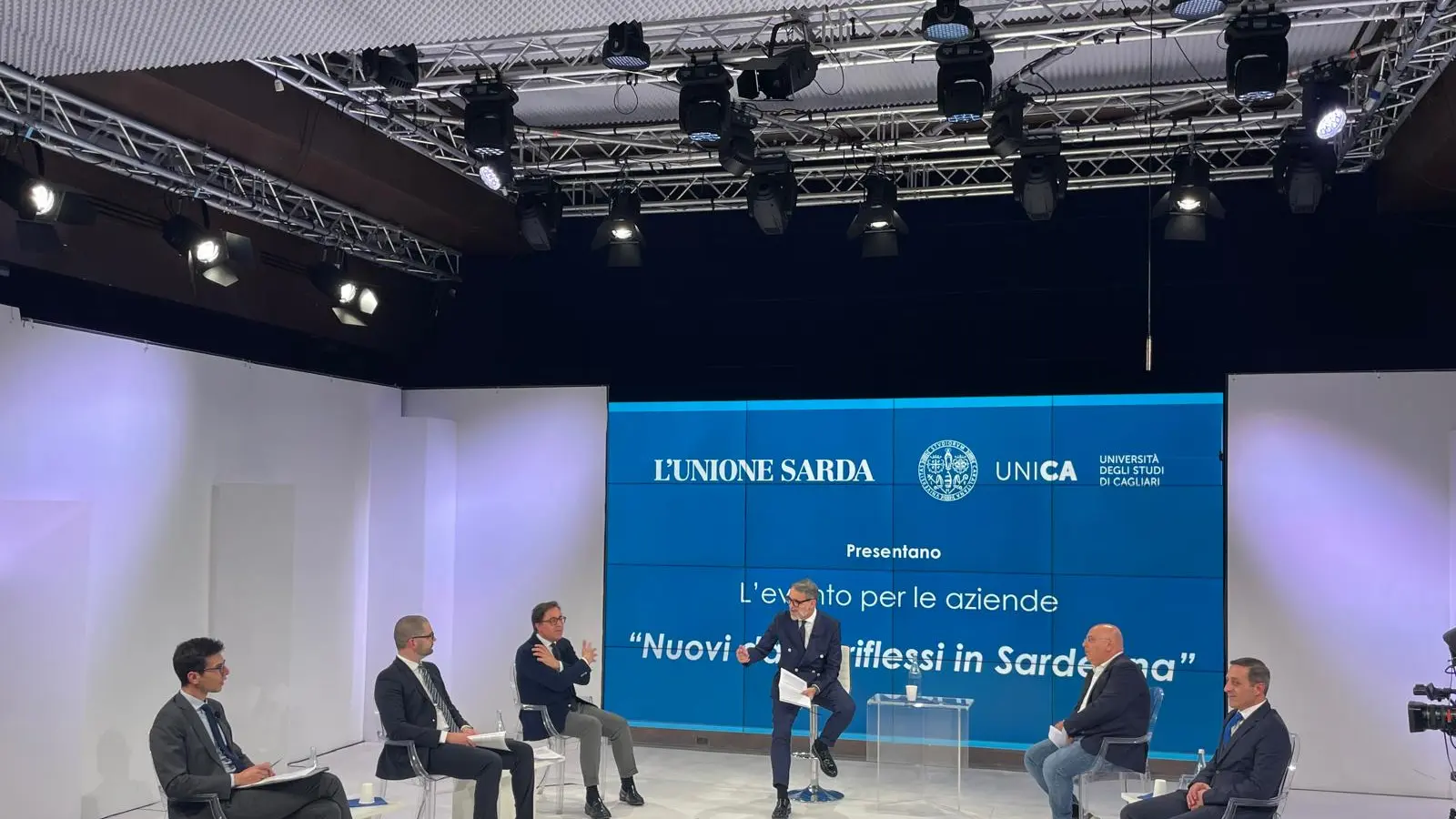


The echo of international tensions has also reached the “Giorgio Pisano” room of L'Unione Sarda, where the conference took place yesterday, part of a memorandum of understanding between the L'Unione Sarda group and the University of Cagliari and moderated by the editor-in-chief Giuseppe Deiana , to take stock of one of the most critical issues in the global economy: the customs duties imposed by the United States and their repercussions, with a focus on the implications for Sardinian businesses. The imminent protectionist crackdown announced by President Donald Trump, with the intention of raising duties on EU goods up to 50% starting in July, is sparking new uncertainties on an already slippery slope.
Duties, explained Andrea Poddighe, professor of Tax Law at the University of Cagliari, «are taxes applied to goods entering the European Union , with purposes ranging from the protection of internal markets to diplomatic leverage. They are calculated on the value or weight of the goods and established at the community level within the so-called “customs union”». An ancient tool, but still very influential in modern economic diplomacy.
But customs does not live on duties alone. As Michele Ippolito, accountant and expert on the subject, has pointed out, «customs duties also include VAT, excise duties, anchorage and warehouse duties. Some duties are of an “anti-dumping” nature, and serve to combat unfair practices, such as the fraudulent import of Chinese goods via third countries».
In other words, there is a risk of playing on a field where rules and loopholes chase each other relentlessly, where the American perspective makes the picture even more complex.
The president of the Pecorino Romano Consortium, Gianni Maoddi, outlined a delicate context: «Today our cheese enters the United States with a 10% duty that weighs enormously. A container of 300 thousand euros implies an immediate customs payment of 30 thousand euros». Despite this, however, interest remains high: «In the first quarter of 2025, sales grew by 14.8% compared to the previous year». But dark clouds loom on the horizon: «American buyers are cautious and fear buying under conditions that could become unsustainable in a few weeks».