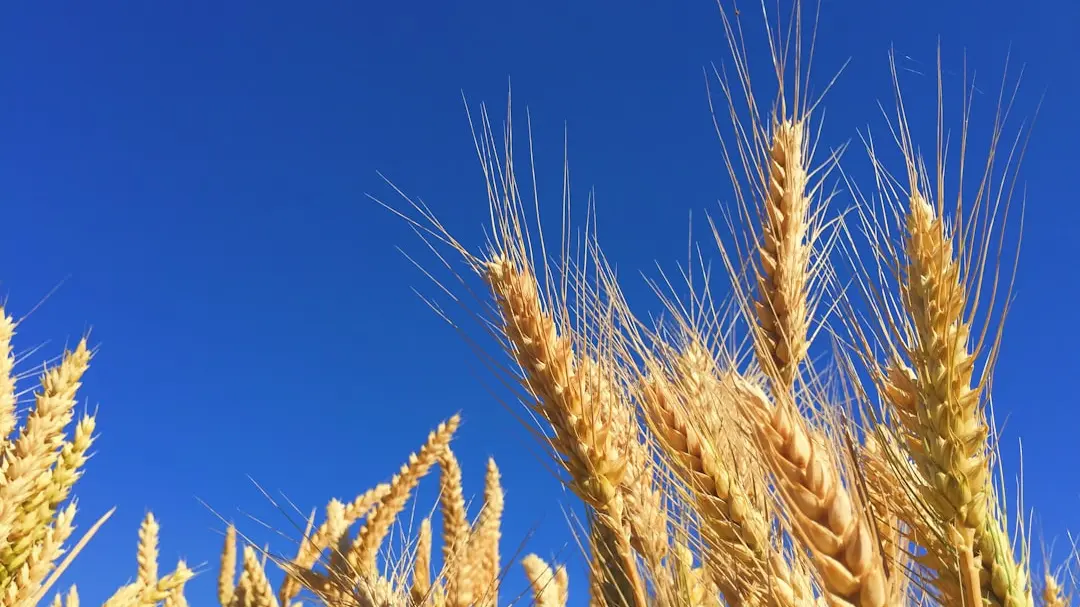


«Taking a snapshot of Sardinia's cereal sector today, now rooted almost exclusively in the central-southern plains of the island , is not easy, especially due to the numerous variables that have intervened over the last two decades in transforming production towards agri-food, not livestock, consumption, a sector that retains its strength in the cultivation of durum wheat: the basic element for the production of bread and pasta».
This is the premise of Confagricoltura , which takes stock of the cereal sector in Sardinia, highlighting the sector's challenges and the need to address constant change. "This change," the association emphasizes, "began with the reforms implemented by the European Commission in the early 2000s, when interventions were made to promote cereal production through field rotation, thus ensuring the cultivation of legumes. This intervention also directed the EU subsidies allocated to farmers towards new payment channels that went beyond wheat monoculture. This intervention significantly reduced the cultivated areas, which were only partially recovered for legume arable crops."
THE DECLINE – A decline, Confagricoltura highlights, which has brought the areas dedicated to durum wheat in Sardinia from 97,108 hectares in 2003 to 28,475 hectares in 2025. A trend that from 2017 to today has never exceeded, with its ups and downs, the ceiling of 30,000 hectares. "While on the one hand this contraction has occurred, only partially recovered by other arable crops, on the other hand there have been consequent reductions in the quintals produced but, very interestingly, an increase in yields per hectare. We have therefore moved from a fluctuating situation in the first fifteen years of the century to a more stable picture in this last decade with a range that oscillates between 100,000 and 70,000 quintals harvested . Yields per hectare, on the other hand, have gone from almost 15 quintals in the early 2000s to an average of almost 27 quintals in the last five years . These data, however, must be evaluated within the context of the significant evolution that the sector has undergone, both in terms of reduced generational turnover and lack of manpower, and in terms of technological innovation and new production techniques.