LEGGI IL QUOTIDIANO
LEGGI IL QUOTIDIANOOggi 11 novembre
L'Unione Sarda.it
Abbonati
ITA|ENG|DEU|RUS|CIN
videolina Linkradiolina linkSardegna 1 linkVai online linkPBM link
Temi caldi di oggi:
Allarmi bombaMigrantiTentato omicidioSos Sardegna
Leggi il quotidiano
L'Unione Sarda.it
Abbonati
L'Unione Sarda

Iniziative Editoriali

  • Biblioteca dell'identità

Account

  • Gestisci il tuo abbonamento
  • Sfoglia il quotidiano
ABBONATI A L’UNIONE SARDA

SCARICA L'APP L'UNIONE DIGITAL

Download GoogleDownload apple
videolina Linkradiolina linkVai online linkPBM link

2021 L'Unione Sarda S.p.A. Tutti i diritti riservati. É vietata la riproduzione, anche parziale e con qualsiasi mezzo, di tutti i materiali del sito. | Indirizzo della Sede Legale: Piazzetta L'Unione Sarda nr. 24 | Capitale sociale 11.400.000,00 i.v. | Codice Fiscale ed iscrizione presso l'Ufficio Registro Imprese di Cagliari 01687830925 (P.I. 02544190925) | REA: CA-136248

Cookie e Privacy PolicyModifica impostazioni privacyInformativa commentiCorporate
L'Unione Sarda

News

  • Cronaca Sardegna
  • Economia
  • Salute
  • Cultura
  • Sport
  • Gossip
  • Turismo

Servizi

  • Necrologi
  • Annunci
  • Pubblicità

Bella Sardegna

  • Spiagge

Iniziative Editoriali

  • Biblioteca dell'identità

Account

  • Gestisci il tuo abbonamento
  • Sfoglia il quotidiano
ABBONATI A L’UNIONE SARDA

SCARICA L'APP L'UNIONE DIGITAL

Download GoogleDownload apple
videolina Linkradiolina linkVai online linkPBM link

2021 L'Unione Sarda S.p.A. Tutti i diritti riservati. É vietata la riproduzione, anche parziale e con qualsiasi mezzo, di tutti i materiali del sito. | Indirizzo della Sede Legale: Piazzetta L'Unione Sarda nr. 24 | Capitale sociale 11.400.000,00 i.v. | Codice Fiscale ed iscrizione presso l'Ufficio Registro Imprese di Cagliari 01687830925 (P.I. 02544190925) | REA: CA-136248

Cookie e Privacy PolicyModifica impostazioni privacyInformativa commentiCorporate
Home
books

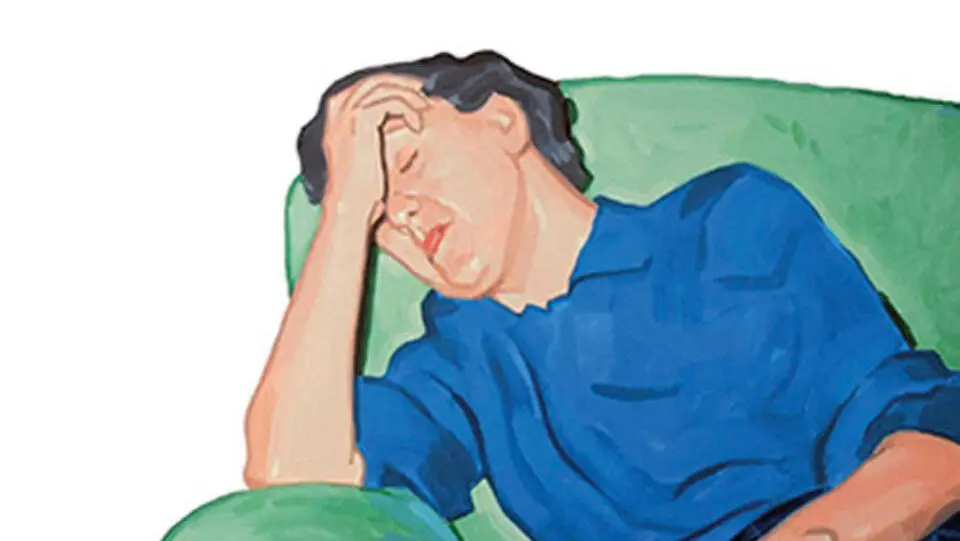
A journey into the history of fatigue

Georges Vigarello tells us how humans have lived with tiredness from the Middle Ages to today
Roberto Roveda
5 dicembre 2024 alle 16:01
A journey into the history of fatigue
Resta informato su WhatsApp
FacebookXLinkedInWhatsApp

Many Italian proverbs extol the virtues of fatigue. In fact, it is said, “Glory is not achieved without fatigue” or “he who flees fatigue, flees fortune” and again “fatigue is the mother of knowledge”. And yet, human beings, as is natural, flee tiredness and anxiety whenever they can. They look for solutions to lighten the weight they have to carry, perhaps by resorting to technology. Only to then perhaps discover that immersed in their futuristic devices they struggle even more to keep up with the rhythms of stress.

Starting from considerations like this, the historian and sociologist Georges Vigarello in his Storia della sforza (il Saggiatore, 2024, euro 35.00, pp. 528) leads us in an exploration of tiredness through the ages and cultures. He offers us, in fact, a narrative in which the changes in our socio-working structures intersect with those concerning bodies and self-perception, the impact of war and the birth and evolution of sports activity.

We start with medieval fatigue, in which to distinguish the noble fatigue of the warrior and the pilgrim from the "ignoble" fatigue of the medieval worker bent over digging the farmer's land". Obvious symptoms of fatigue were dehydration, loss of humors and liquids. How to intervene? Drinks with strange recipes to rehydrate, talismans and spices. Then Vigarello moves on to the modern age: fatigue was inserted into categories. Bureaucratized as the modern State was bureaucratized, made up of officials and administrators. In this framework where everything was categorized and hierarchized, the fatigue of the tax collector was worth more than that of a convict. These were the years in which people began to fear the effects of fatigue on the body, a fatigue that deformed, that made you age prematurely. These were the years in which people began to talk about training for fatigue and resorted to essences and tonics such as tobacco and coffee.

In the Enlightenment universe of the eighteenth century, fatigue was rationally monitored. It was no longer the moods or dehydration that showed contemporaries fatigue, but the nervous response. Tiredness became the fruit of poorly managed nervous excitement, weakness was due to continuous tensions that weakened to the point of leading to hysteria. To resolve everything, people resorted to tonics of all kinds and to hardening themselves with resistance practices such as exposing themselves to the cold of the harshest winter.


© Riproduzione riservata

Argomenti similiSLOT_11
  • Russi e russanti
    Caffè Scorretto

    Russi e russanti

    Luigi Almiento

Articoli correlati

Kimi Antonelli with his tricolor hair, Mercedes: "No words."
the champion

Kimi Antonelli with his tricolor hair, Mercedes: "No words."

In the video posted by the team, Kimi arrives at the headquarters, Wolff is incredulous: "Did you even pay?"
Costa Smeralda, the "emery gang" and thefts from dream villas: crimes prescribed after 16 years
Olbia

Costa Smeralda, the "emery gang" and thefts from dream villas: crimes prescribed after 16 years
In 2010, raids took place in Porto Cervo and Olbia, with the villa of an undersecretary of Labour and the residence of a Roman countess also targeted.
Andrea Busia
Ciro Grillo trial: appeal faces immediate risk of postponement
court

Ciro Grillo trial: appeal faces immediate risk of postponement

The defense: "A judge's signature is missing; the first-instance ruling must be retried."
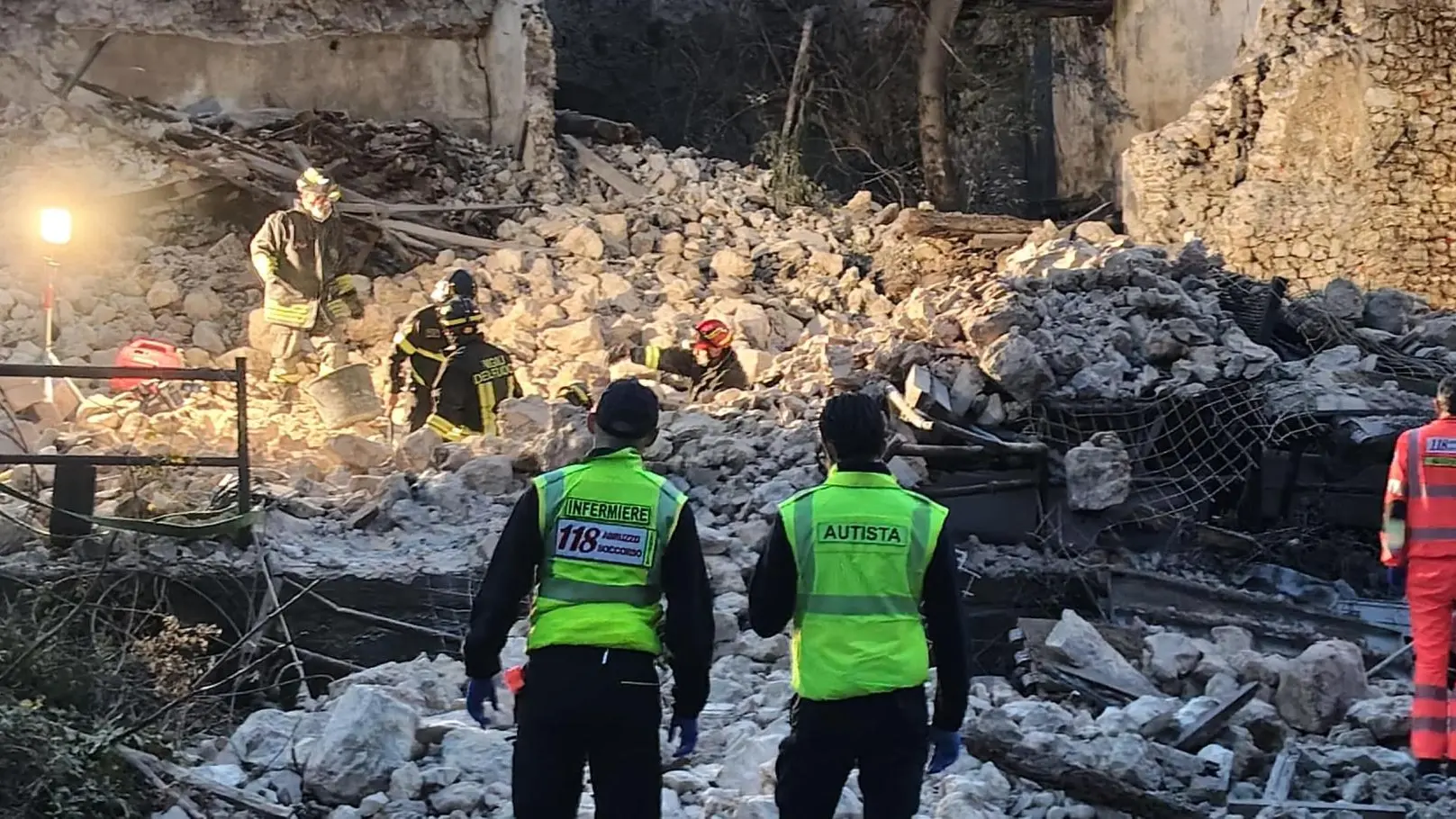
An earthquake-damaged building collapses during renovations, killing two workers.
the tragedy

An earthquake-damaged building collapses during renovations, killing two workers.

Workplace tragedy in San Pio di Fontecchio, in the L'Aquila area: a third man seriously injured.
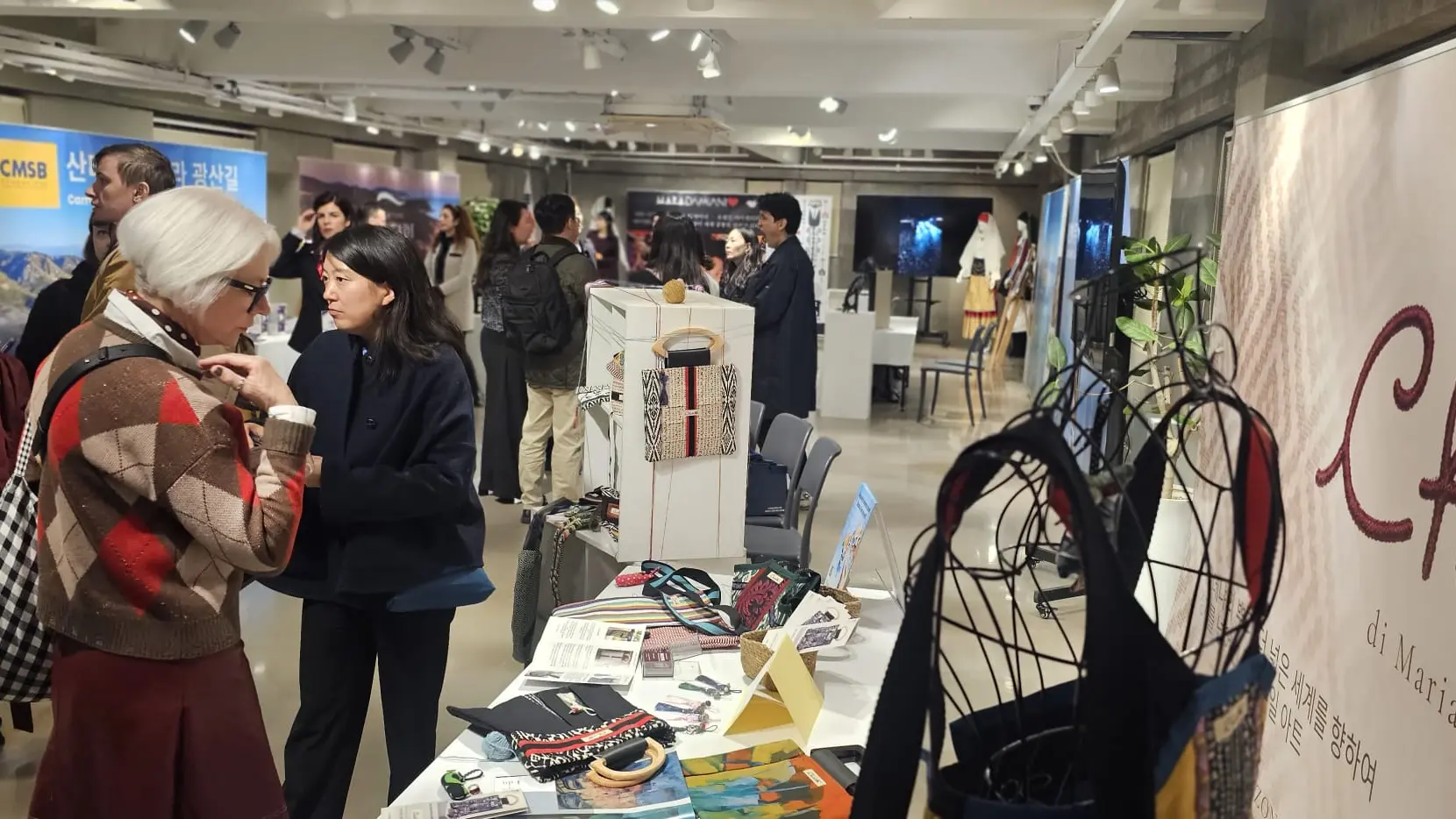
Sardinian traditions during the three-day event in Seoul
the event

Sardinian traditions during the three-day event in Seoul

Among the participants in Korea is Chisca, the brand of Nuoro native Maria Francesca Lunesu.
Giampiero Marras
Cabras, the Casula family's historic supermarket is closing: "We can't keep going."
in the center

Cabras, the Casula family's historic supermarket is closing: "We can't keep going."

In Corso Umberto, the shutters will be lowered after 80 years of activity.
Sara Pinna
Sassari: Drunk man hits nurse in ER lip
the violence

Sassari: Drunk man hits nurse in ER lip

The man was arrested by the Carabinieri, and the victim was given ten days of treatment.
Emanuele Floris
Antonio Borrotzu appointed as Buddusò's new coach.
the decision

Antonio Borrotzu appointed as Buddusò's new coach.

The goal is to climb the standings and secure safety after a worrying start to the season.
Antonio Serreli
Quartu, workshops and guided tours dedicated to tradition
the event

Quartu, workshops and guided tours dedicated to tradition

The “Tramudas” festival, organised by the Sa Cobula association with the natural shopping centre, makes its debut on Thursday
Georgia Daga

The industrial age was the age of toil to produce more, to achieve a goal. The logic that prevailed was that of performance that could not be missed. In those nineteenth-century times it was believed that human beings were born with a fire inside, an energy that fatigue thinned. People then resorted to tonics, offered by the innovations of chemistry, and to drugs, but they also began to consider the importance of nutrition to reduce tiredness.

Finally, the current era, that of workaholism, burnout, mental fatigue that often replaces physical fatigue. It is the age, ours, of resorting to psychological therapies, meditation and listening to oneself to alleviate stress, psychosomatic discomfort and burnout.

Alternating written testimonies with other archive documents, The History of Fatigue delves into the many ways in which the symbols and symptoms of fatigue have changed from century to century, arriving up to the present day, to an exhaustion that has multiplied uncontrollably, moving from the body to the mind and from work life to domestic-family life. What Georges Vigarello seems to suggest to us is that only by placing what is happening today in a process of historical transformations will we be able to understand ourselves better and get to the point where fatigue is indeed a constant to live with, but above all something that can be managed and controlled.