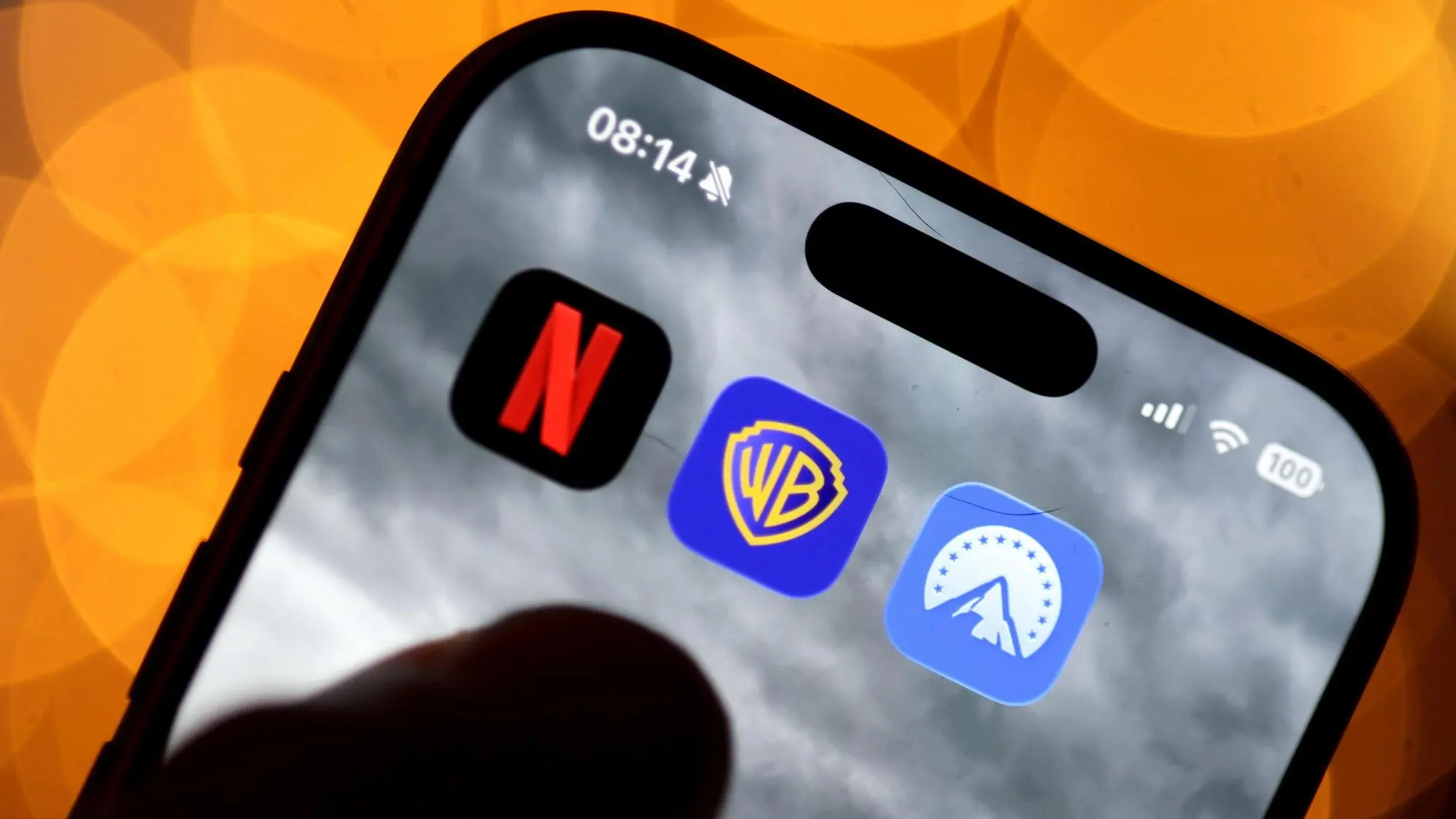


The latest film conversation has been dominated by the news of Netflix's acquisition of Warner Bros. Discovery. Officially announced earlier this month, the deal, coordinated by Ted Sarandos and Greg Peters, co-CEOs of the streaming platform, for a whopping $82.7 billion, aims to absorb the historic Californian major and expand its operations in the industry. This has unleashed inevitable repercussions throughout the entertainment world, with many fearing irreparable consequences and an inevitable decline in the industry.
In an attempt to address the situation, Netflix assured that it would maintain Warner Bros.' operations unchanged, "including theatrical releases," for now. This, however, would not allay concerns, given Sarandos' stated intention to prioritize streaming releases over theatrical releases, which are now considered obsolete. In a statement to directors and creatives, Netflix stated: "By combining Netflix's member experience and global reach with Warner Bros.' renowned franchises and extensive catalog, the company will create greater value for talent, offering more opportunities to work with beloved intellectual properties, tell new stories, and connect with a wider audience than ever before."
Following the deal, David Zaslav, CEO of Warner Bros. Discovery, said: "Today's announcement brings together two of the world's greatest storytelling companies to bring even more people the entertainment they love to watch. For over a century, Warner Bros. has thrilled audiences, captured global attention, and shaped our culture. By joining forces with Netflix, we will ensure that people around the world continue to enjoy the world's most inspiring stories for generations to come."
Predictably, the acquisition prompted a swift response from the actors' and writers' unions, with their respective spokespeople publicly voicing their concerns. According to SAG-AFTRA, the risks include serious repercussions "for the future of the entertainment industry and, in particular, for human creative talent," as well as the risk of a decline in production and a lack of protection for creative resources.