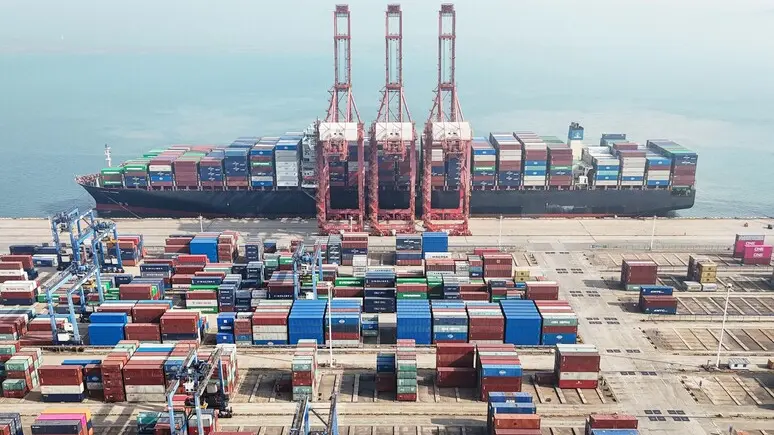


Sardinia's manufacturing exports have slowed. Sales of Sardinian products abroad, such as food, wood, furniture, textiles, metal products, clothing, jewelry, as well as gasoline and refining products, recorded a worrying 17.5% decline in the six-month period compared to the same period in 2024. This puts the region at the bottom of the national rankings, led by Tuscany with +12.4%, Abruzzo with +10.2%, and Campania with +2.2%, compared to the national +2%. These trends were positively influenced by sales of pharmaceutical products.
The trend for Sardinia remains unchanged when considering exports from micro, small, and medium-sized enterprises. The report, in fact, reports a 29.8% decline in Sardinian sales (again compared to 2024), with Lazio (+7.8%) and Umbria (+6.8%) leading the ranking, compared to the national average of -1.2%. The data comes from an analysis conducted by the Confartigianato Imprese Research Office, based on ISTAT data for the first half of 2025, on sales of Sardinian products abroad . Across the various sectors, Sardinian fashion saw a leap forward, recording a +0.8% increase, compared to the national average of -3.8%. This ranking opens with an 8.4% increase in Umbria and closes with a -44.9% decrease in Molise. Sales of Sardinian mechanical engineering also performed well, with a +4.9% increase, opening the ranking with Tuscany at +11.1% and closing with Valle d'Aosta, compared to the national average of -1.8%.
The analysis also highlights the positive trend in Sardinian exports to Germany , with +83.1%, a feat that places the island in second place after Friuli with +93.7% and a national average of +2.3%.
Conversely, bad news comes from sales in China. Manufacturing exports to the Far East fell by 58.3%, placing the island last in a ranking that sees Italy's decline by 14%.
"Sardinia's manufacturing export performance in the first half of the year highlights a sharp slowdown that deserves attention," comments . "Our region is showing less robust growth than the rest of the country, making it one of the regions most penalized by international competition." "This is a worrying trend," adds Meloni, "especially because it affects not only the large manufacturing sectors, but also micro, small, and medium-sized businesses, traditionally the heart of the Sardinian economy, which are struggling to maintain their position in foreign markets."