









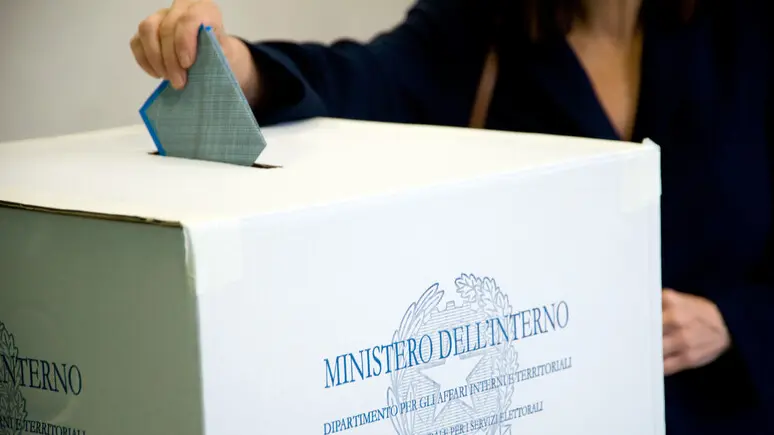


Just a week has passed since February 25th, the only day dedicated to voting for the renewal of the Regional Council in Sardinia. Campo Largo, with Alessandra Todde as president, currently appears victorious. According to what we could learn from the press, around 52% of those entitled to vote appear to have voted, therefore just over half. But beyond the results, which all things considered showed a minimal distance between the two contending coalitions, the analysis, necessarily after the vote, catalyzes the attention of commentators on the repercussions that the preference expressed by the Sardinian people could have on the national, on the Meloni Government itself given and considering that Paolo Truzzu, former mayor of Cagliari, was strongly supported by Giorgia Meloni himself, and on the results of the next electoral competitions of regional importance in other contexts.
Is the Sardinian vote a wake-up call, then, or a simple physiological change in the political color of the next council? How much has the decline in electoral participation in Sardinia affected, and does it affect, the outcomes? It is certainly no mystery to anyone that institutions, at whatever level we want to discuss, appear legitimized only when they are supported by the consensus of citizens expressed in the vote. Therefore, the results of the latest polls should be read and considered also and above all with specific reference to the real data of popular participation. In general, on a political level, to date the concrete commitment of the various party forces aimed at trying to limit, if not actually remove, any potential impediment, even if only of an ideological nature, which could fuel the phenomenon of abstention, i.e. the non-participation in electoral competitions of those who could, with their vote, concretely influence the democratic choices of the territory of reference. This latter circumstance would then seem, and even more so, to highlight the importance strictly limited to the borders of the regional perimeter of the latest votes for the renewal of the Council in Sardinia. Also because, with good likelihood, the dynamics of the expression of electoral preference could well be multiple and often traced back to the pure and simple personal liking of a presidential candidate rather than of his direct competitors.








