

An opportunity to learn about Sardinia's maritime routes from three thousand years ago, followed by two days out. This Saturday , culminating the "New Eyes on the Past" experience that concluded just last week, the Kalaritano Archaeological Group will return with " The Sardinian Sea Paths ": at the Lazzaretto in Cagliari, some authoritative voices in Mediterranean archaeological research will take turns in a conference dedicated to the mosaic of connections that linked the island to the rest of the Mediterranean during the Iron and Bronze Ages. And on Sunday the 31st and Monday the 1st, guided tours will be offered outside the capital to the Nuragic sites of Orroli , Ballao , Villanovafranca , and Serri .
May 30th will therefore be a broad look back at the past, with the aim of conveying to those present the image of a land that has been an active protagonist in exchanges and encounters between Mediterranean peoples . The day's introduction will be entrusted to Fulvia Lo Schiavo , former Superintendent of Archaeological Heritage for the provinces of Sassari and Nuoro for twenty-six years, a role she also held for Tuscany, Friuli-Venezia Giulia, and, most recently, our region. Her research on prehistoric and Nuragic Sardinia focuses on the study of metal artifacts in the Euro-Mediterranean context .
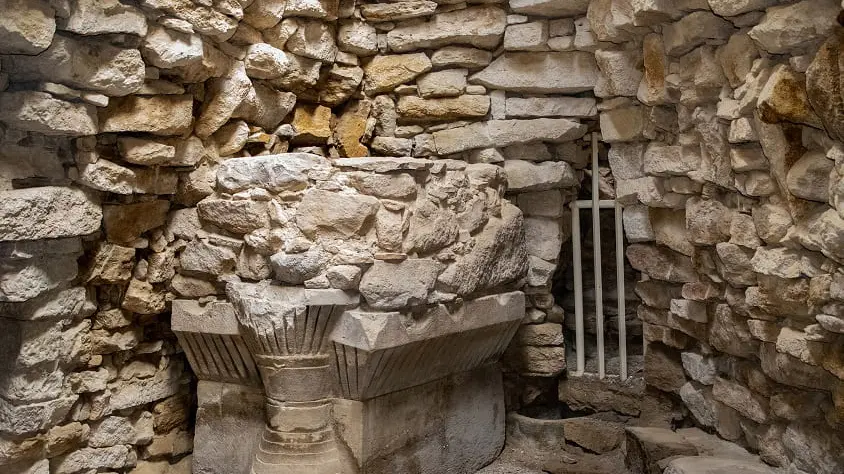
Thus, the first presentation will be by Emanuela Alberti , professor at the University of Florence, whose work has spanned the years between Crete, Cyprus, the island, and the Hellenic peninsula, retracing the network of relationships that brought the Minoan and Mycenaean civilizations closer to the rest of the Mediterranean between 1650 and 1200 BC, through trade, political changes, and cultural ties. This will be followed by Maria Rosaria Manunza , an archaeologist, author, and student of Giovanni Lilliu, who will present . In 2015, a Nuragic settlement emerged—probably serving as a trade crossroads—that shows strong signs of contact with the Mycenaean world.