

"Sardinia can become the leading region of the consumption electrification project," says Francesco Venturini, CEO of Enel X, citing one of the pillars of the energy transition, which is based on the progressive use of electricity from renewable sources in services and activities - such as transport, space heating and industrial production - until now mainly fueled by fossil fuels. The bases of this potential primacy, however, are not a reason to be proud: they rest, instead, on one of the historical delays of the island, namely the gap on the methane front. Natural gas has been a mirage for decades (and in part it still is), so we had to adapt. To heat the water in homes, we use the electric water heater more than boilers and this preference comes to light in one datum: here 28% of total energy consumption refers to electricity, compared to 21% of the Italian average.
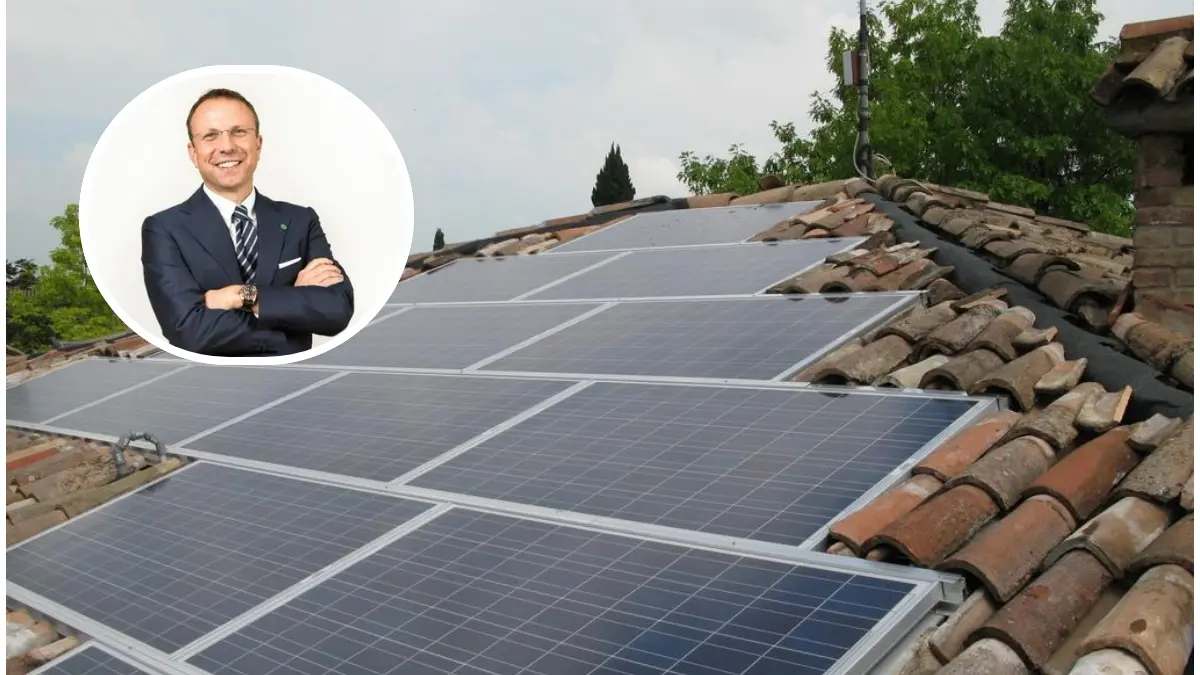
The real issue lies in production: according to data released by Enel X, 75% of the electricity circulating in the Sardinian networks comes from fossil sources (coal, oil) and only 25% from renewables. "The island is not adequately exploiting the possibilities offered by today's market," explains Venturini, visiting the editorial office of the Unione Sarda. How to increase the share of renewables? Certainly not with off-shore wind power or with the invasion of panels in the countryside. If anything, with the installation of photovoltaic systems on the roofs of buildings, villas, warehouses, schools and offices. Organizing and then optimizing the consumption of electricity produced with the energy communities, that is the instrument on which the EU aims to multiply the diffusion of clean energy. Individual citizens, condominiums, groups of companies and municipalities can install the panels and create small networks for "zero kilometer" consumption. "It is an aggregation of plants and final consumers who must be in close proximity to each other."
What is the maximum distance?
There are two constraints. The first is that of the primary high voltage substation: there are 70 of them all over the island and they have a range of 20 kilometers. The second stake concerns the plants: they cannot be greater than one megawatt, a power that in any case is able to meet the needs of 50 small or medium-sized companies ".